THE ADVENTURE COLLECTIVE® · Independent discovery and booking for outdoor travel

Explore Luxor’s living markets and workshops on a four-hour private shopping tour that pairs demonstrations of papyrus and stone craft with market browsing. Learn how to buy authentically while navigating bargaining, heat, and packing.
Explore Luxor’s living markets and workshops on a four-hour private shopping tour that pairs demonstrations of papyrus and stone craft with market browsing. Learn how to buy authentically while navigating bargaining, heat, and packing.
You step from an air-conditioned vehicle into dust-sweet air and the hum of a city shaped by the Nile. Spices punctuate the breeze, papyrus sheets gleam under shaded stalls, and a guide funnels you through narrow lanes where craftsmen work with deliberate hands.
Verified experiences and guided adventures in the surrounding area.
Operated by Egypt Best Day Tours · Luxor, Luxor Governorate
You step from an air-conditioned vehicle into dust-sweet air and the hum of a city shaped by the Nile. Spices punctuate the breeze, papyrus sheets gleam under shaded stalls, and a guide funnels you through narrow lanes where craftsmen work with deliberate hands.
Luxor is ancient Thebes—the place where temple stone and written word were long conjured into permanence. On this four-hour private excursion you watch hand-cut stone transform into decorative alabaster, witness the layered process of papyrus making, and move through a fruit-and-vegetable market stocked with herbs, oils, and small-batch soaps. Local artisans explain techniques passed down generations; your guide decodes hieroglyphic cartouches available on-site.
Geology shows in the city’s light-colored stone—soft alabaster used for vases and lamps—while culture appears in everyday bargaining and the way scents are measured and wrapped. The experience is less about frantic shopping and more about context: how materials, craft, and river commerce meet in Luxor.
Practical notes: the tour lasts about four hours with hotel pickup in an AC vehicle; it’s suitable for all fitness levels. Carry small bills for bargaining, check authenticity certificates for papyrus or stone, and reserve larger purchases for the end so you can consolidate shipping or packing. Morning or late afternoon bookings avoid the midday heat; sunscreen, a hat, and comfortable closed-toe shoes make browsing easier. Ask your guide for recommended workshops to ensure purchases support local craftsmen, not mass-produced imports.
easy.
4 hours.
Light walking and standing; suitable for most fitness levels
Yes—bargaining is common; start low, be polite, and expect to settle around 50–70% of the initial asking price depending on the item.
Many vendors sell genuine papyrus and local alabaster; ask for a demonstration and a receipt or certificate when authenticity matters.
Yes—this private tour includes hotel pickup and drop-off in an air-conditioned vehicle as part of the booking.
Most vendors can arrange shipping for larger items, but verify costs and export paperwork; fragile pieces may require professional crating.
Luxor sits on the site of ancient Thebes; papyrus was a primary writing material in Pharaonic Egypt and local stone carving has roots in millennia-old quarrying traditions.
Support certified artisans, avoid buying antiquities, and prioritize sustainably made goods; ask guides about ethical sourcing and local recycling practices.
Egypt Best Day Tours operates guided outdoor trips and adventures with an emphasis on safety, stewardship, and memorable experiences.
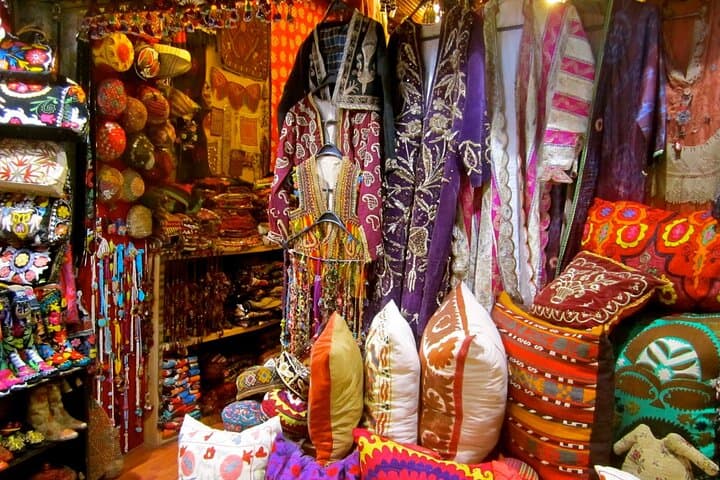
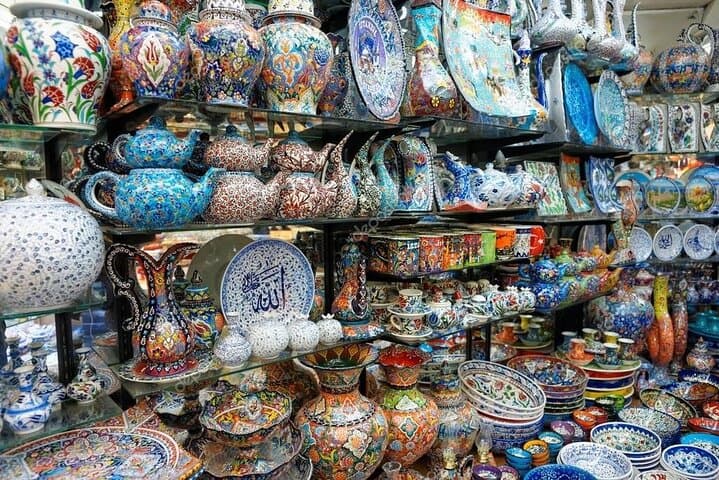
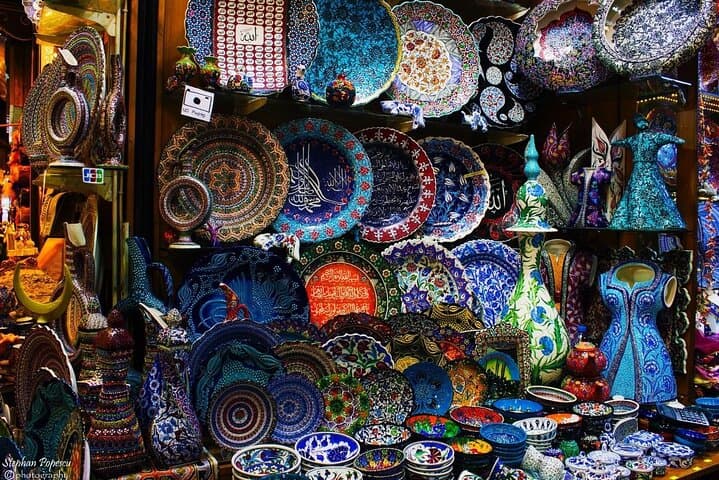
You step from an air-conditioned vehicle into dust-sweet air and the hum of a city shaped by the Nile. Spices punctuate the breeze, papyrus sheets gleam under shaded stalls, and a guide funnels you through narrow lanes where craftsmen work with deliberate hands.
You step from an air-conditioned vehicle into dust-sweet air and the hum of a city shaped by the Nile. Spices punctuate the breeze, papyrus sheets gleam under shaded stalls, and a guide funnels you through narrow lanes where craftsmen work with deliberate hands.
Luxor is ancient Thebes—the place where temple stone and written word were long conjured into permanence. On this four-hour private excursion you watch hand-cut stone transform into decorative alabaster, witness the layered process of papyrus making, and move through a fruit-and-vegetable market stocked with herbs, oils, and small-batch soaps. Local artisans explain techniques passed down generations; your guide decodes hieroglyphic cartouches available on-site.
Geology shows in the city’s light-colored stone—soft alabaster used for vases and lamps—while culture appears in everyday bargaining and the way scents are measured and wrapped. The experience is less about frantic shopping and more about context: how materials, craft, and river commerce meet in Luxor.
Practical notes: the tour lasts about four hours with hotel pickup in an AC vehicle; it’s suitable for all fitness levels. Carry small bills for bargaining, check authenticity certificates for papyrus or stone, and reserve larger purchases for the end so you can consolidate shipping or packing. Morning or late afternoon bookings avoid the midday heat; sunscreen, a hat, and comfortable closed-toe shoes make browsing easier. Ask your guide for recommended workshops to ensure purchases support local craftsmen, not mass-produced imports.