THE ADVENTURE COLLECTIVE® · Independent discovery and booking for outdoor travel

A private 2-day transfer from Hurghada that places you at the heart of ancient Thebes—Karnak, Luxor Temple, Hatshepsut and the Valley of the Kings—paired with an experienced guide and flexible pacing. Expect long but scenic drives, temple stairs, and tickets purchased locally.
A private 2-day transfer from Hurghada that places you at the heart of ancient Thebes—Karnak, Luxor Temple, Hatshepsut and the Valley of the Kings—paired with an experienced guide and flexible pacing. Expect long but scenic drives, temple stairs, and tickets purchased locally.
You climb into a private vehicle while the Red Sea light still hangs low, and the highway unfurls across desert flats toward the Nile valley. By mid-morning the river appears like a green ribbon daring the sand to stay away; by afternoon, stone colossi and cedar-shaded avenues of sphinxes ground you in a human story older than most maps.
Verified experiences and guided adventures in the surrounding area.
Operated by Eyes of Egypt · Luxor, Luxor Governorate
You climb into a private vehicle while the Red Sea light still hangs low, and the highway unfurls across desert flats toward the Nile valley. By mid-morning the river appears like a green ribbon daring the sand to stay away; by afternoon, stone colossi and cedar-shaded avenues of sphinxes ground you in a human story older than most maps.
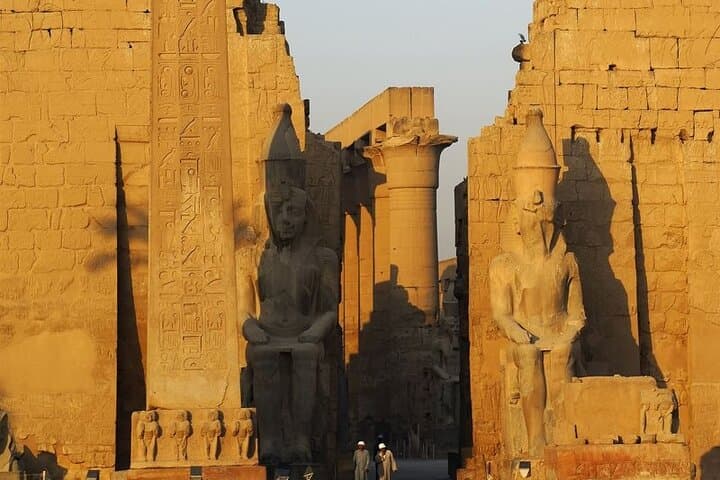
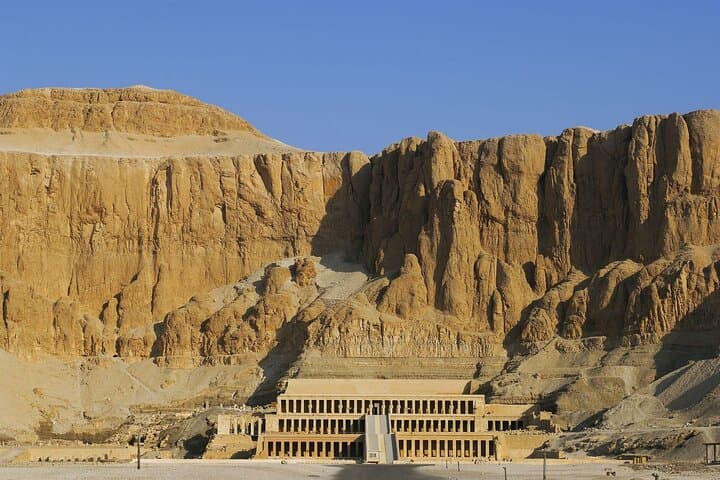
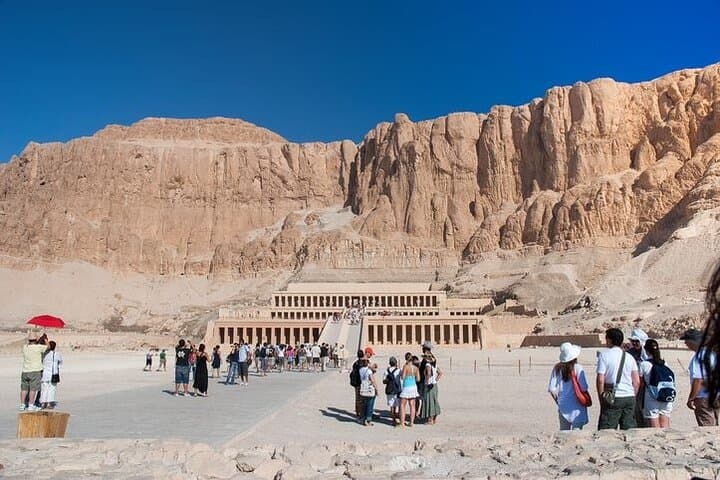
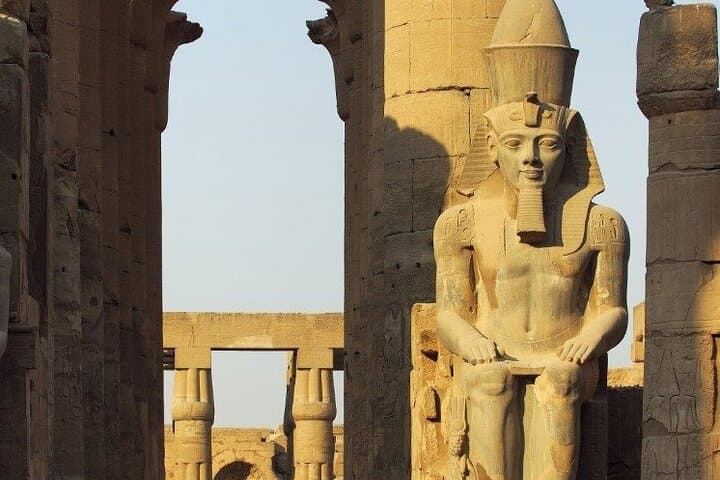
Luxor was once Thebes, Egypt’s ceremonial capital. The east bank—Karnak’s forest of columns and Luxor Temple’s layered monuments—celebrates state ritual and empire; the west bank’s limestone cliffs hide the Valley of the Kings, where painted tomb chambers and Hatshepsut’s terraced mortuary temple show precise funerary engineering and bold architectural shifts of the New Kingdom. Geology here is simple: soft sedimentary rock carved into tombs, and the Nile’s annual ribbon of fertility that shaped millennia of settlement and culture.
Practicality follows wonder on this two-day private escape. Expect 4–5 hour drives each way (roughly 280–300 km), multiple short walks over uneven stone and stairs, and interior spaces with lower light—bring a headlamp or phone with spare battery. Entrance tickets are purchased on-site per person; your private guide will handle logistics and pacing so you can skip lines and focus on context.
Time your visits early to avoid midday heat, wear respectful, lightweight layers for temple courtyards and cool interiors, and keep hydrated—the desert reclaims any lapse. This itinerary blends relaxed travel time with concentrated site visits, ideal for travelers who want deep context without a rigid schedule.
easy.
2 days.
Minimal aerobic fitness required—able to walk 1–3 miles over uneven surfaces and climb temple steps; tolerate long vehicle transfers.
No—entrance tickets for archaeological sites and tombs are purchased on-site per person; your guide will advise which tickets to buy and when.
Accommodation is not included, allowing you to choose a 4- or 5-star hotel or guesthouse in Luxor for your overnight stay.
Expect approximately 4–5 hours each way (roughly 280–300 km), with optional photo or rest stops along the route.
Yes—transport and many sites are accessible, but tomb interiors often involve stairs and low ceilings; discuss mobility needs when booking for tailored arrangements.
Luxor sits on the site of ancient Thebes, the ceremonial heart of New Kingdom Egypt where pharaohs built temples and tombs to secure their afterlife.
Visitors help protect fragile painted tomb interiors by limiting flash photography and staying on marked paths; avoid single-use plastics and respect site rules to reduce wear.
Eyes of Egypt operates guided outdoor trips and adventures with an emphasis on safety, stewardship, and memorable experiences.
You climb into a private vehicle while the Red Sea light still hangs low, and the highway unfurls across desert flats toward the Nile valley. By mid-morning the river appears like a green ribbon daring the sand to stay away; by afternoon, stone colossi and cedar-shaded avenues of sphinxes ground you in a human story older than most maps.
You climb into a private vehicle while the Red Sea light still hangs low, and the highway unfurls across desert flats toward the Nile valley. By mid-morning the river appears like a green ribbon daring the sand to stay away; by afternoon, stone colossi and cedar-shaded avenues of sphinxes ground you in a human story older than most maps.
Luxor was once Thebes, Egypt’s ceremonial capital. The east bank—Karnak’s forest of columns and Luxor Temple’s layered monuments—celebrates state ritual and empire; the west bank’s limestone cliffs hide the Valley of the Kings, where painted tomb chambers and Hatshepsut’s terraced mortuary temple show precise funerary engineering and bold architectural shifts of the New Kingdom. Geology here is simple: soft sedimentary rock carved into tombs, and the Nile’s annual ribbon of fertility that shaped millennia of settlement and culture.
Practicality follows wonder on this two-day private escape. Expect 4–5 hour drives each way (roughly 280–300 km), multiple short walks over uneven stone and stairs, and interior spaces with lower light—bring a headlamp or phone with spare battery. Entrance tickets are purchased on-site per person; your private guide will handle logistics and pacing so you can skip lines and focus on context.
Time your visits early to avoid midday heat, wear respectful, lightweight layers for temple courtyards and cool interiors, and keep hydrated—the desert reclaims any lapse. This itinerary blends relaxed travel time with concentrated site visits, ideal for travelers who want deep context without a rigid schedule.