THE ADVENTURE COLLECTIVE® · Independent discovery and booking for outdoor travel

Spend a full day from Luxor exploring two of Upper Egypt’s most evocative temple complexes. An Egyptologist-led private tour delivers historical context, transport, and time to photograph Dendara’s Hathor reliefs and Abydos’ layered limestone halls.
Spend a full day from Luxor exploring two of Upper Egypt’s most evocative temple complexes. An Egyptologist-led private tour delivers historical context, transport, and time to photograph Dendara’s Hathor reliefs and Abydos’ layered limestone halls.
Morning light in Upper Egypt feels decisive: the road north from Luxor tightens between date palms and low mudbrick villages as an Egyptologist in the passenger seat narrates pharaohs and rituals while the Nile keeps time outside the window.
Verified experiences and guided adventures in the surrounding area.
Operated by cheap tours · Luxor, Luxor Governorate
Morning light in Upper Egypt feels decisive: the road north from Luxor tightens between date palms and low mudbrick villages as an Egyptologist in the passenger seat narrates pharaohs and rituals while the Nile keeps time outside the window.
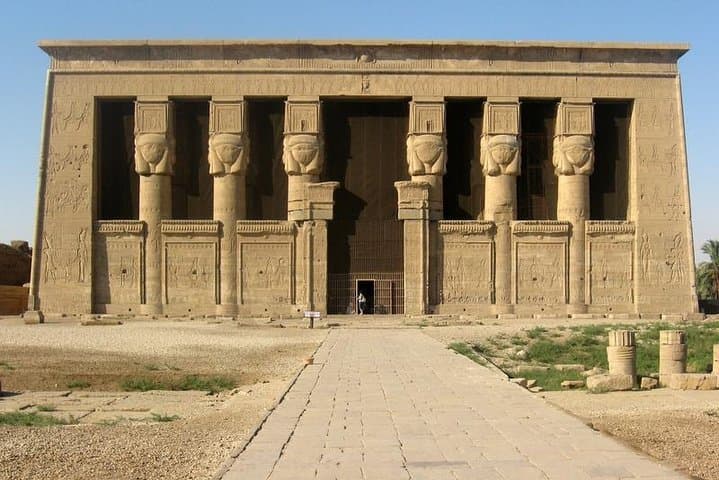
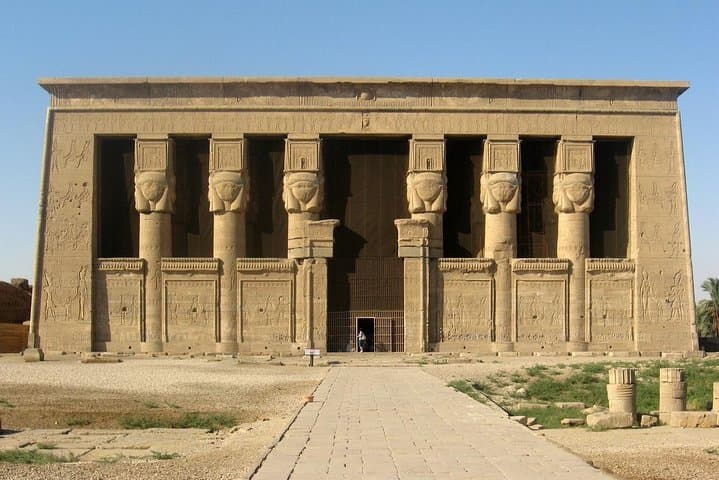
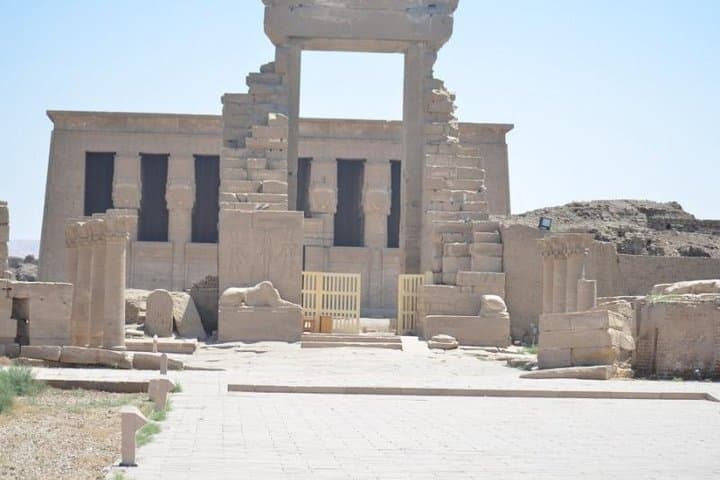
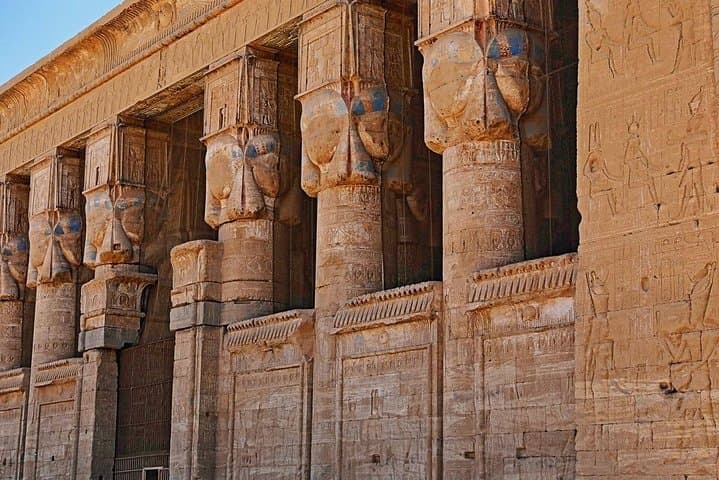
The tour’s first chapters are Abydos and Dendara—two very different scripts of Egyptian religion and architecture. Abydos, associated with early royal cults and the cult of Osiris, presents heavy limestone reliefs and procession routes laid out across multiple levels; its corridors carry the patient abrasion of millennia. Dendara, dedicated to Hathor, preserves later Ptolemaic ornament—astral ceilings, carved birth houses, and crisp iconography that reads like an ancient manual of worship.
Geology here is simple: the river’s floodplain gives way to desert limestone and chert; temples were sited for visibility and ritual approach, not altitude. Culturally, guides point to living practices in nearby villages—seasonal festivals, local craft patterns, and families who still farm along the irrigated fringe.
Practically: expect a full day on a comfortable minibus with hotel pickup, bottled water, and an Egyptologist guide. Bring sun protection and cash for small admissions, snacks, and tipping. Temperatures can swing dramatically between sunlit courtyards and shadowed hypostyles, so layer light clothing.
Photographers should time shots for low-angle light; history buffs will appreciate inscriptions that map dynastic shifts from the Old Kingdom into the Ptolemaic era. The route is straightforward but long—plan for a 12-hour day from pickup to drop-off and conserve energy early to enjoy both sites without rush.
easy.
12 hours.
Suitable for most fitness levels; requires walking on uneven stone and standing during guided explanations.
This private day trip runs about 12 hours from hotel pickup in Luxor to drop-off.
Admission specifics vary by operator—confirm whether site entry fees are included before booking.
The itinerary is rated easy, but uneven steps and stone surfaces may challenge those with mobility limits; children are welcome but require supervision.
Yes—both sites allow photography in most exterior and many interior spaces; flash and tripods may be restricted in delicate rooms.
Abydos became a focal point for the cult of Osiris early in Egyptian history; Dendara’s surviving Ptolemaic features reflect a later royal investment in temple symbolism and astronomy.
Both sites face erosion from tourism, wind, and salt crystallization—visitors can help by staying on marked paths and avoiding contact with reliefs.
cheap tours operates guided outdoor trips and adventures with an emphasis on safety, stewardship, and memorable experiences.
Morning light in Upper Egypt feels decisive: the road north from Luxor tightens between date palms and low mudbrick villages as an Egyptologist in the passenger seat narrates pharaohs and rituals while the Nile keeps time outside the window.
Morning light in Upper Egypt feels decisive: the road north from Luxor tightens between date palms and low mudbrick villages as an Egyptologist in the passenger seat narrates pharaohs and rituals while the Nile keeps time outside the window.
The tour’s first chapters are Abydos and Dendara—two very different scripts of Egyptian religion and architecture. Abydos, associated with early royal cults and the cult of Osiris, presents heavy limestone reliefs and procession routes laid out across multiple levels; its corridors carry the patient abrasion of millennia. Dendara, dedicated to Hathor, preserves later Ptolemaic ornament—astral ceilings, carved birth houses, and crisp iconography that reads like an ancient manual of worship.
Geology here is simple: the river’s floodplain gives way to desert limestone and chert; temples were sited for visibility and ritual approach, not altitude. Culturally, guides point to living practices in nearby villages—seasonal festivals, local craft patterns, and families who still farm along the irrigated fringe.
Practically: expect a full day on a comfortable minibus with hotel pickup, bottled water, and an Egyptologist guide. Bring sun protection and cash for small admissions, snacks, and tipping. Temperatures can swing dramatically between sunlit courtyards and shadowed hypostyles, so layer light clothing.
Photographers should time shots for low-angle light; history buffs will appreciate inscriptions that map dynastic shifts from the Old Kingdom into the Ptolemaic era. The route is straightforward but long—plan for a 12-hour day from pickup to drop-off and conserve energy early to enjoy both sites without rush.