THE ADVENTURE COLLECTIVE® · Independent discovery and booking for outdoor travel

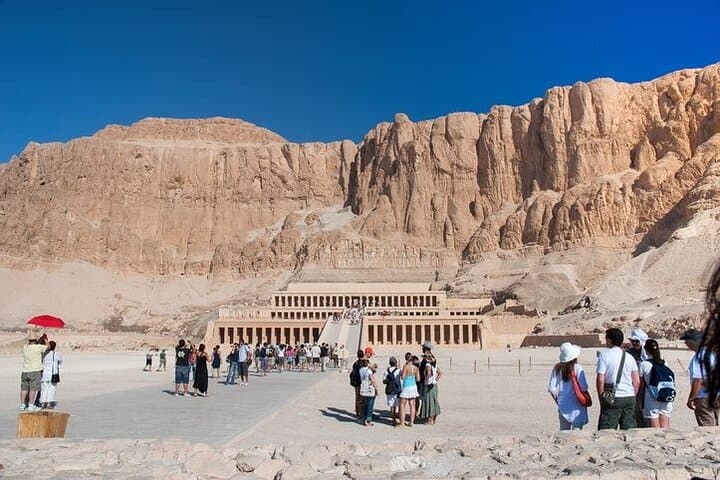
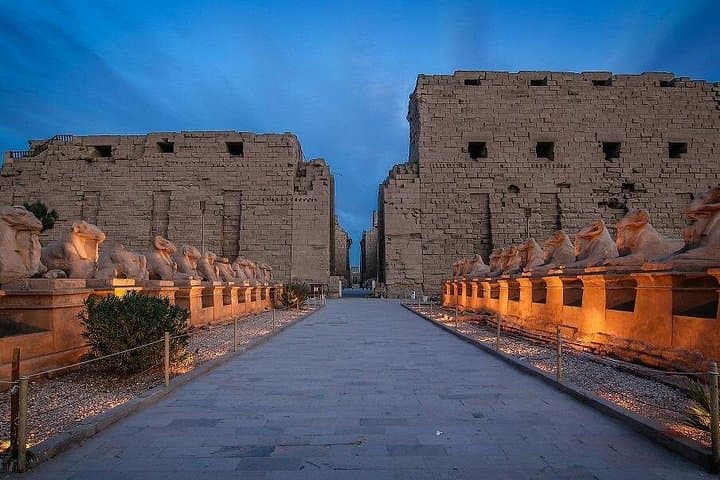
A full-day private excursion through Luxor’s most iconic ancient sites: the tomb-lined Valley of the Kings, the terraced Hatshepsut Temple, and Karnak’s monumental precinct. Personalized guiding, private transfer, and flexible pacing make this ideal for families and history lovers.
A full-day private excursion through Luxor’s most iconic ancient sites: the tomb-lined Valley of the Kings, the terraced Hatshepsut Temple, and Karnak’s monumental precinct. Personalized guiding, private transfer, and flexible pacing make this ideal for families and history lovers.
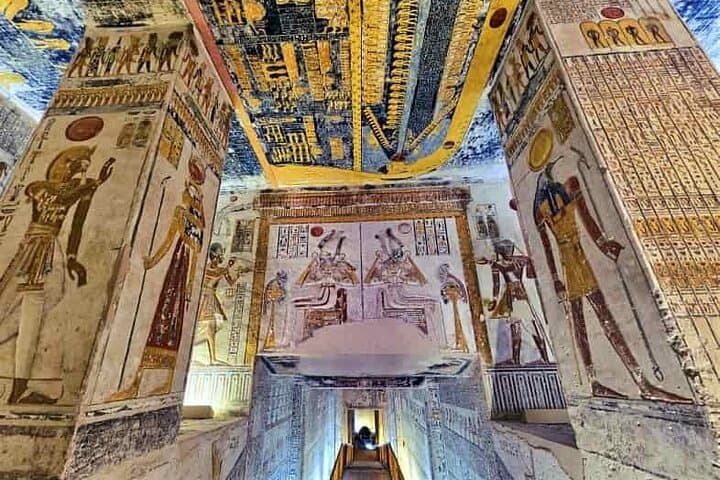
You meet your guide before sunrise at the Nile-side hotel or cruise dock, and the desert light already slices the west bank cliffs. A private, air-conditioned vehicle ferries you across the river where the Valley of the Kings opens like a carved ledger of power—rock-cut tombs with painted corridors that demand close attention rather than a quick snapshot.
Verified experiences and guided adventures in the surrounding area.
Operated by Eyes of Egypt · Luxor, Luxor Governorate
You meet your guide before sunrise at the Nile-side hotel or cruise dock, and the desert light already slices the west bank cliffs. A private, air-conditioned vehicle ferries you across the river where the Valley of the Kings opens like a carved ledger of power—rock-cut tombs with painted corridors that demand close attention rather than a quick snapshot.
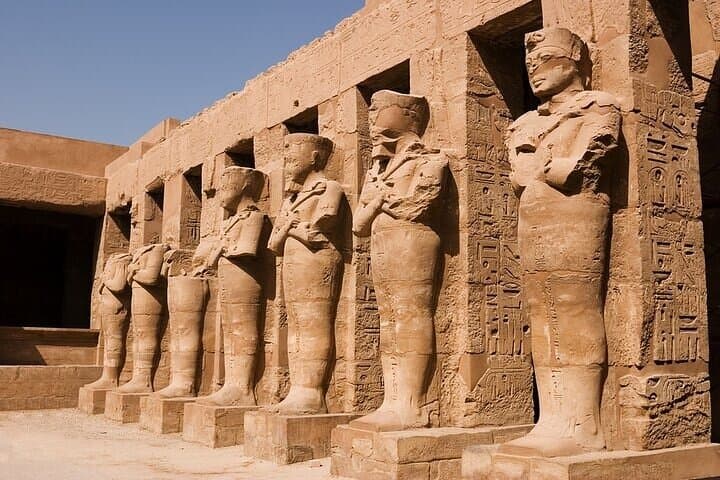
This loop ties three distinct chapters of Thebes together: the subterranean royal tombs (Tutmosis through Ramesses), Hatshepsut’s terraced mortuary temple clinging to limestone bluffs, and Karnak’s sprawling complex where the Hypostyle Hall’s columns still crowd the sky. Geologically, the valley is compacted limestone and soft sandstone—ideal for rock-cut sepulchers and temples hewn to align with solar rites. Culturally, local guides add context: ritual practice, pharaonic patronage, and modern Luxor life stacked along the Nile’s fertile fringe.
Practical notes: the day runs about 6–7 hours with hotel or cruise pickup and private transfers between sites. Entrance tickets are purchased at ticket windows, so bring cash and your passport. Wear sturdy shoes for uneven paths and steps; some tombs have low passages and steep ladders. Hydrate and use sun protection—shade is limited on the west bank. Mid-morning and late afternoon light are best for photos, and starting early avoids the heat and the largest crowds.
A private guide lets you lengthen a stop, skip the busiest tombs, or add nearby sites like Deir el-Medina. Expect a paced, interpretive day that combines architecture, carved reliefs, and the human scale of ancient funerary life.
easy.
6–7 hours.
Light fitness required: short walks, standing, and climbing steps inside tombs; suitable for most travelers who can manage uneven ground.
No. Tickets for Valley of the Kings, Hatshepsut, and Karnak are purchased at their ticket windows; bring cash and your passport.
Yes—it's a private tour with flexible pacing and vehicle transfers, but some tombs have narrow passages and steps that may be difficult for mobility-impaired guests.
The tour runs about 6–7 hours (360–420 minutes) including transfers and site time; pickup and drop-off at hotels or cruise docks are standard.
Yes. The private format allows you to prioritize specific tombs or extend time at a temple subject to opening hours and additional entrance fees.
Luxor (ancient Thebes) was Egypt’s political and religious center in the New Kingdom; Karnak and the West Bank temples were integral to royal mortuary cults.
High visitor numbers strain fragile pigments and ancient stone; follow path restrictions, avoid touching reliefs, and use local guides who support responsible site behavior.
Eyes of Egypt operates guided outdoor trips and adventures with an emphasis on safety, stewardship, and memorable experiences.
You meet your guide before sunrise at the Nile-side hotel or cruise dock, and the desert light already slices the west bank cliffs. A private, air-conditioned vehicle ferries you across the river where the Valley of the Kings opens like a carved ledger of power—rock-cut tombs with painted corridors that demand close attention rather than a quick snapshot.
You meet your guide before sunrise at the Nile-side hotel or cruise dock, and the desert light already slices the west bank cliffs. A private, air-conditioned vehicle ferries you across the river where the Valley of the Kings opens like a carved ledger of power—rock-cut tombs with painted corridors that demand close attention rather than a quick snapshot.
This loop ties three distinct chapters of Thebes together: the subterranean royal tombs (Tutmosis through Ramesses), Hatshepsut’s terraced mortuary temple clinging to limestone bluffs, and Karnak’s sprawling complex where the Hypostyle Hall’s columns still crowd the sky. Geologically, the valley is compacted limestone and soft sandstone—ideal for rock-cut sepulchers and temples hewn to align with solar rites. Culturally, local guides add context: ritual practice, pharaonic patronage, and modern Luxor life stacked along the Nile’s fertile fringe.
Practical notes: the day runs about 6–7 hours with hotel or cruise pickup and private transfers between sites. Entrance tickets are purchased at ticket windows, so bring cash and your passport. Wear sturdy shoes for uneven paths and steps; some tombs have low passages and steep ladders. Hydrate and use sun protection—shade is limited on the west bank. Mid-morning and late afternoon light are best for photos, and starting early avoids the heat and the largest crowds.
A private guide lets you lengthen a stop, skip the busiest tombs, or add nearby sites like Deir el-Medina. Expect a paced, interpretive day that combines architecture, carved reliefs, and the human scale of ancient funerary life.