THE ADVENTURE COLLECTIVE® · Independent discovery and booking for outdoor travel

Spend three focused hours in Luxor learning practical composition and lighting techniques amid ancient temples, Nile vistas and bustling markets. Ideal for beginners and pros seeking hands-on feedback and strong golden-hour light.
Spend three focused hours in Luxor learning practical composition and lighting techniques amid ancient temples, Nile vistas and bustling markets. Ideal for beginners and pros seeking hands-on feedback and strong golden-hour light.
You step into a corridor of late-afternoon light where sandstone turns to gold and the Nile throws a cool ribbon of reflection through the city. In Luxor, a three-hour field workshop bends attention to surfaces — the cracked plaster of a market stall, the stepped geometry of an ancient column, the silhouette of a felucca against sunset.
Verified experiences and guided adventures in the surrounding area.
Operated by Omar Nasr · Luxor, Luxor Governorate
You step into a corridor of late-afternoon light where sandstone turns to gold and the Nile throws a cool ribbon of reflection through the city. In Luxor, a three-hour field workshop bends attention to surfaces — the cracked plaster of a market stall, the stepped geometry of an ancient column, the silhouette of a felucca against sunset.
This place is modern-day Thebes: pharaonic temples like Karnak and Luxor sit within living neighborhoods, and the river that shaped the region still governs daily life. Geology here is obvious — soft, wind-polished limestone and sandstone quarried for millennia — and that geology sculpts the light photographers chase. Culturally, expect a mix of mosque calls, market bargaining and gentle curiosity from locals; modest dress and polite approach matter.
The workshop focuses on composition, natural light control and quick field critiques, suitable for beginners and experienced shooters wanting fresh perspective. Expect guided sessions during dawn or golden hour for the best directional light, short practical exercises in street framing, and simple editing tips to refine shots.
Practical guidance: bring extra memory and batteries, a lightweight travel tripod for low-light shots, and sun protection — Luxor’s sun is intense by midday. Wear comfortable walking shoes and carry a reusable water bottle. Respect signage at archaeological sites, ask permission before photographing people, and plan the session around cooler morning or late-afternoon hours to make the most of both light and comfort.
easy.
3 hours.
Light walking on mostly flat urban and riverside surfaces; suitable for all fitness levels.
Yes — while some basic equipment may be provided, bring your own camera to practice with settings you use and to receive personalized feedback.
Meeting is typically in central Luxor near the riverfront or market area; confirmation details are provided after booking.
Yes — the workshop welcomes all levels and focuses on practical, easy-to-follow techniques and one-on-one guidance.
Sessions use public streets, riverfront views and accessible temple exteriors; follow local rules and signage regarding restricted temple interiors and photography.
Luxor occupies the site of ancient Thebes, a political and religious center of pharaonic Egypt with major temples and burial sites clustered along the Nile.
Help protect fragile monuments by staying on marked paths, avoiding flash photography inside sensitive interiors, and minimizing single-use plastics in this water-scarce region.
Omar Nasr operates guided outdoor trips and adventures with an emphasis on safety, stewardship, and memorable experiences.
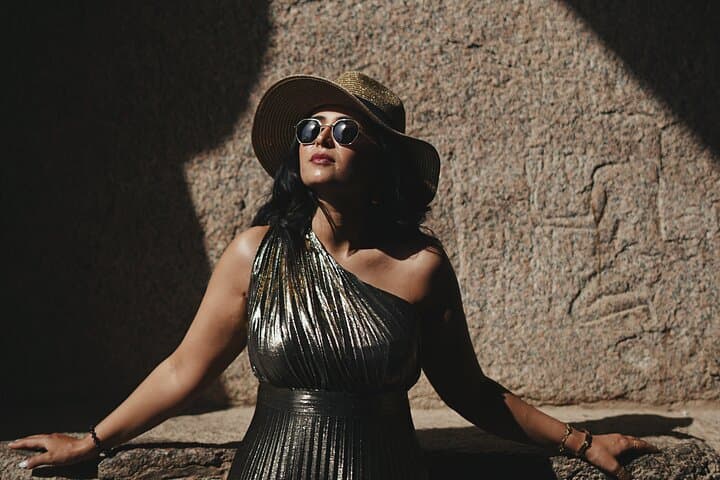
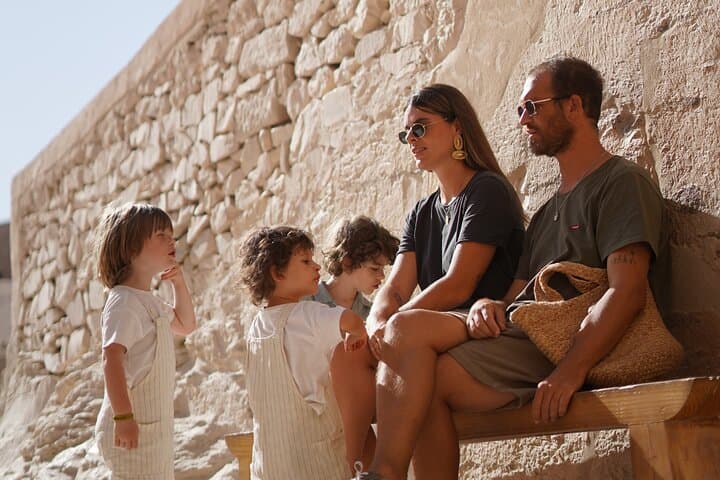
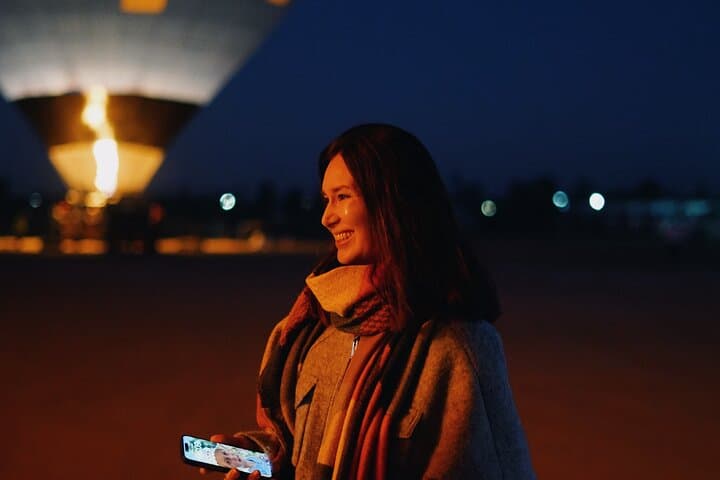
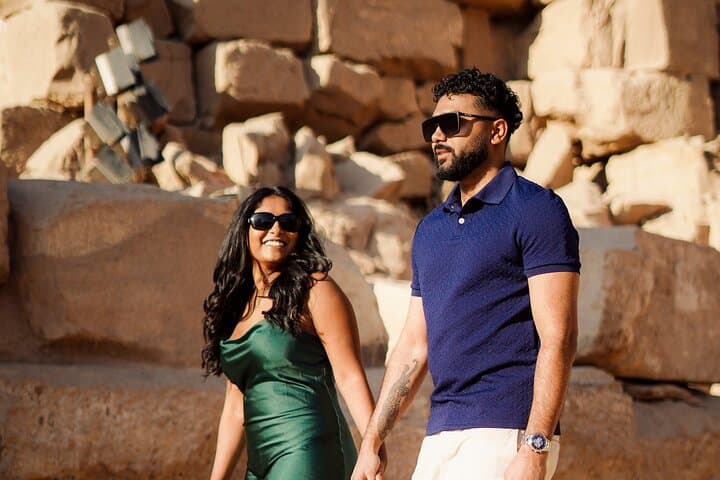
You step into a corridor of late-afternoon light where sandstone turns to gold and the Nile throws a cool ribbon of reflection through the city. In Luxor, a three-hour field workshop bends attention to surfaces — the cracked plaster of a market stall, the stepped geometry of an ancient column, the silhouette of a felucca against sunset.
You step into a corridor of late-afternoon light where sandstone turns to gold and the Nile throws a cool ribbon of reflection through the city. In Luxor, a three-hour field workshop bends attention to surfaces — the cracked plaster of a market stall, the stepped geometry of an ancient column, the silhouette of a felucca against sunset.
This place is modern-day Thebes: pharaonic temples like Karnak and Luxor sit within living neighborhoods, and the river that shaped the region still governs daily life. Geology here is obvious — soft, wind-polished limestone and sandstone quarried for millennia — and that geology sculpts the light photographers chase. Culturally, expect a mix of mosque calls, market bargaining and gentle curiosity from locals; modest dress and polite approach matter.
The workshop focuses on composition, natural light control and quick field critiques, suitable for beginners and experienced shooters wanting fresh perspective. Expect guided sessions during dawn or golden hour for the best directional light, short practical exercises in street framing, and simple editing tips to refine shots.
Practical guidance: bring extra memory and batteries, a lightweight travel tripod for low-light shots, and sun protection — Luxor’s sun is intense by midday. Wear comfortable walking shoes and carry a reusable water bottle. Respect signage at archaeological sites, ask permission before photographing people, and plan the session around cooler morning or late-afternoon hours to make the most of both light and comfort.