THE ADVENTURE COLLECTIVE® · Independent discovery and booking for outdoor travel

Float between ancient capitals on a classic Nile cruise that pairs dawn hot‑air balloon flights over Luxor with guided visits to Abu Simbel, Karnak and the Valley of the Kings. Practical tips cover trains, timing, and what to pack for temple walks.
Float between ancient capitals on a classic Nile cruise that pairs dawn hot‑air balloon flights over Luxor with guided visits to Abu Simbel, Karnak and the Valley of the Kings. Practical tips cover trains, timing, and what to pack for temple walks.
Dawn finds the river a mirror of ochre and gold as a five‑star dahabiya slips away from Luxor. On deck, the Nile dares you to look up: palms, feluccas and green islands sliding past while minarets and temple pylons puncture the horizon.
Verified experiences and guided adventures in the surrounding area.
Operated by Egypt Super Tours · Luxor, Luxor Governorate
Dawn finds the river a mirror of ochre and gold as a five‑star dahabiya slips away from Luxor. On deck, the Nile dares you to look up: palms, feluccas and green islands sliding past while minarets and temple pylons puncture the horizon.
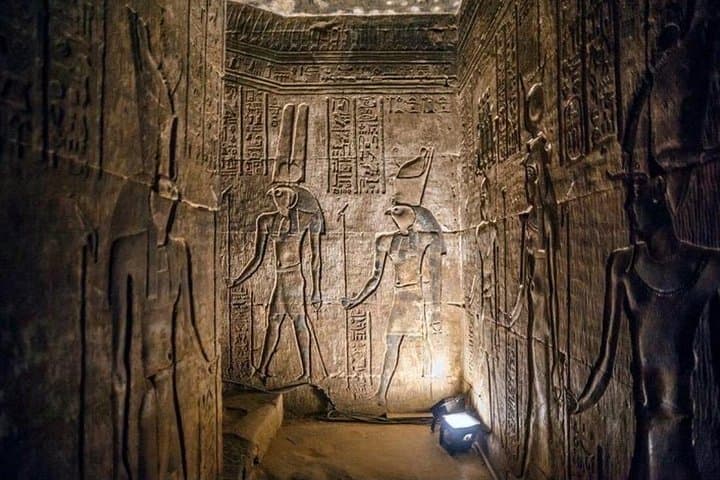
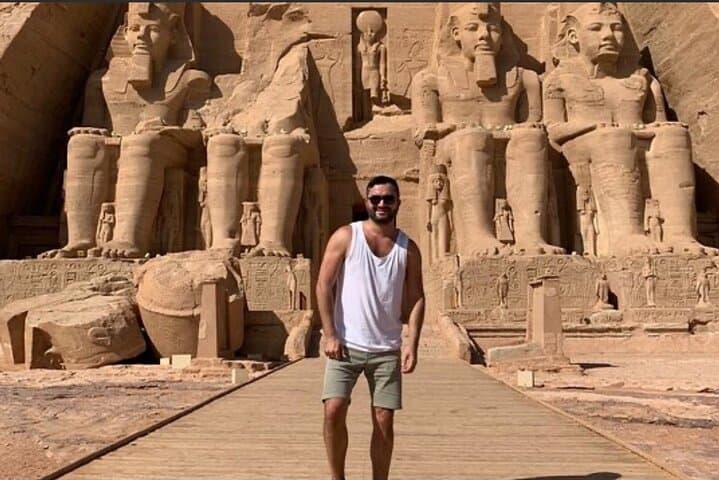
This itinerary threads Egypt’s Pharaonic high points—Valley of the Kings, Hatshepsut’s mortuary temple, Karnak’s forest of columns—together with Aswan’s granite quarries and the monumental, relocated Abu Simbel. Geologically the Nile valley is a ribbon cut through Nubian sandstone and alluvial silt; its rise and fall shaped where temples were built and how communities farm along the banks. Culturally, local markets, tea on the quay and Nubian villages offer counterpoints to stone and hieroglyph, while the High Dam and the Philae relocation speak to modern interventions in ancient landscapes.
Practical guidance: expect early mornings—hot‑air balloon pickup often begins around 4:30–5:00 a.m.—and several short walks on uneven temple grounds. Overnight first‑class seated trains link Cairo and Luxor, but luggage space is limited; pack a soft bag. Entrance fees and some small transfers require Egyptian pounds; carry cash. Balloon flights run 35–45 minutes and are weather dependent—children under six are not permitted. Hydration, sun protection and a sturdy pair of walking shoes are essential. If you want quieter moments, ask to step away from the main crowds at Karnak’s side chapels or take a felucca at sunset from Aswan for a different stretch of river. The trip balances iconic archaeology with slow, riverborne travel—bring patience and curiosity.
easy.
4–6 days.
Suitable for travelers in average fitness—short walks and stairs at temples, early mornings required
Operators use certified pilots and life‑safe procedures; children under six are not permitted and flights are subject to weather—refunds apply for weather cancellations.
Some entrance fees are included but others (e.g., High Dam boat to Philae) may require Egyptian pounds or card—bring small cash for local payments.
First‑class seated overnight train tickets are included; upgrades to sleeping compartments are sometimes available for an extra fee—ask at booking.
Major transfers and many cruise spaces are accessible, but some temple sites and tomb interiors have steps and narrow passages that limit access.
This corridor of the Nile preserves millennia of Pharaonic power—temples were aligned to river and horizon, while Abu Simbel was moved in the 1960s to save it from the High Dam’s reservoir.
Tourism supports local economies but adds pressure on fragile sites; stick to marked paths, avoid touching reliefs and favor licensed guides to minimize impact.
Egypt Super Tours operates guided outdoor trips and adventures with an emphasis on safety, stewardship, and memorable experiences.
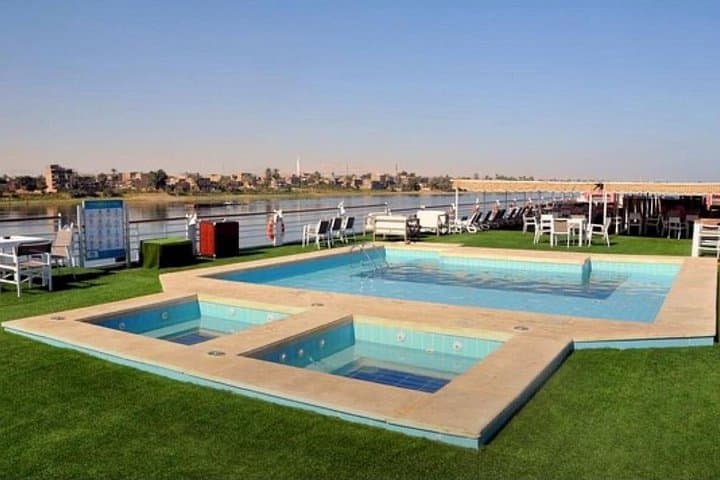
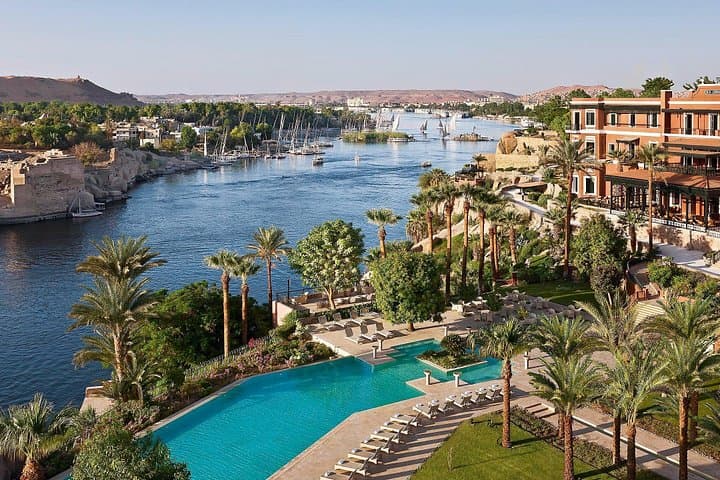
Dawn finds the river a mirror of ochre and gold as a five‑star dahabiya slips away from Luxor. On deck, the Nile dares you to look up: palms, feluccas and green islands sliding past while minarets and temple pylons puncture the horizon.
Dawn finds the river a mirror of ochre and gold as a five‑star dahabiya slips away from Luxor. On deck, the Nile dares you to look up: palms, feluccas and green islands sliding past while minarets and temple pylons puncture the horizon.
This itinerary threads Egypt’s Pharaonic high points—Valley of the Kings, Hatshepsut’s mortuary temple, Karnak’s forest of columns—together with Aswan’s granite quarries and the monumental, relocated Abu Simbel. Geologically the Nile valley is a ribbon cut through Nubian sandstone and alluvial silt; its rise and fall shaped where temples were built and how communities farm along the banks. Culturally, local markets, tea on the quay and Nubian villages offer counterpoints to stone and hieroglyph, while the High Dam and the Philae relocation speak to modern interventions in ancient landscapes.
Practical guidance: expect early mornings—hot‑air balloon pickup often begins around 4:30–5:00 a.m.—and several short walks on uneven temple grounds. Overnight first‑class seated trains link Cairo and Luxor, but luggage space is limited; pack a soft bag. Entrance fees and some small transfers require Egyptian pounds; carry cash. Balloon flights run 35–45 minutes and are weather dependent—children under six are not permitted. Hydration, sun protection and a sturdy pair of walking shoes are essential. If you want quieter moments, ask to step away from the main crowds at Karnak’s side chapels or take a felucca at sunset from Aswan for a different stretch of river. The trip balances iconic archaeology with slow, riverborne travel—bring patience and curiosity.