THE ADVENTURE COLLECTIVE® · Independent discovery and booking for outdoor travel

Explore Luxor Museum at your own pace with included entrance tickets and a private driver. This short, accessible visit highlights Theban treasures from the New Kingdom and makes a concentrated, comfortable stop on any Luxor itinerary.
Explore Luxor Museum at your own pace with included entrance tickets and a private driver. This short, accessible visit highlights Theban treasures from the New Kingdom and makes a concentrated, comfortable stop on any Luxor itinerary.
Morning light flakes across the Nile as your driver eases onto Luxor’s Corniche and drops you at a low, modern building that feels quietly deliberate amid the city’s bustle.
Verified experiences and guided adventures in the surrounding area.
Operated by Eyes of Egypt · Luxor, Luxor Governorate
Morning light flakes across the Nile as your driver eases onto Luxor’s Corniche and drops you at a low, modern building that feels quietly deliberate amid the city’s bustle.
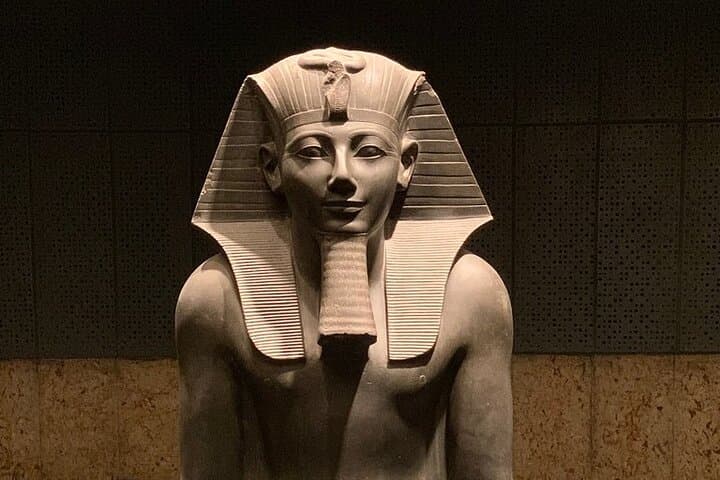
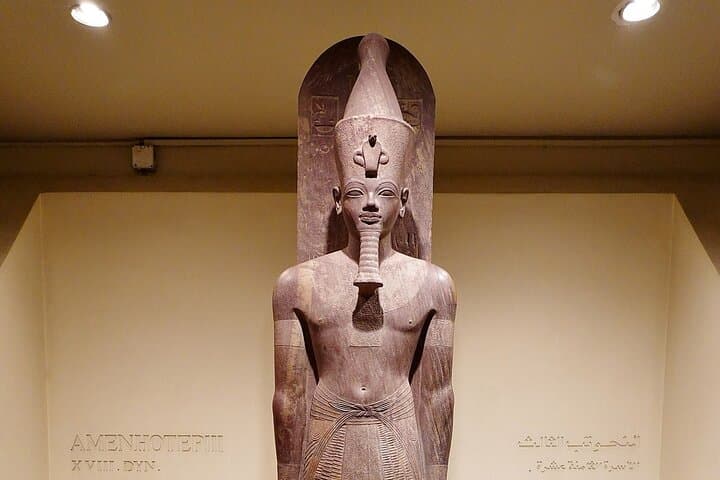
Inside, rooms clear and cool, artifacts sit like witnesses: carved stone, gilded jewelry, and sarcophagi that map lives and rituals from Thebes and the New Kingdom. The museum’s layout encourages a patient pace—text panels and curators’ choices let you linger at a favorite statue or return to a case of funerary objects without the pull of a guided group.
Luxor occupies the footprint of ancient Thebes; the museum was established to showcase finds from local tombs and temples and to make those finds readable in the city that produced them. Geologically, you’re in the Nile Valley where the river cut a green corridor through limestone and desert, and culturally you move between millennia: daily life, devotion, and death all reappear in different materials and scales.
Practical side: this is a short, accessible visit—plan 90–120 minutes. Entrance tickets are included and your driver waits in the lot for the return transfer. Expect security checks, flat floors, and photography allowed without flash in many galleries. Visit in the cool of the morning or late afternoon to avoid mid-day heat and market crowds.
Bring sun protection for the walk from your hotel, hydrate before and after the museum, and keep bags modestly sized for security screening. A self-guided visit gives freedom: follow the objects that interest you and let the artifacts shape your route.
easy.
1.5–2 hours.
Suitable for all fitness levels; involves short walks on level floors and minimal stairs.
Yes — tickets are included and provided by your driver at pickup, so you can enter without buying on site.
Allocate about 90–120 minutes to move through the main galleries at a relaxed pace.
Photography is generally allowed, but many displays prohibit flash to protect sensitive materials; respect signage.
Yes — both the transportation and the museum are wheelchair accessible, with level floors and accessible entry routes.
Luxor sits on the site of ancient Thebes; the museum was established to display finds from local tombs and temples and emphasizes artifacts from the New Kingdom.
Minimize flash photography and keep hands off cases; supporting entrance fees and local museum programs helps preserve fragile artifacts for future visitors.
Eyes of Egypt operates guided outdoor trips and adventures with an emphasis on safety, stewardship, and memorable experiences.
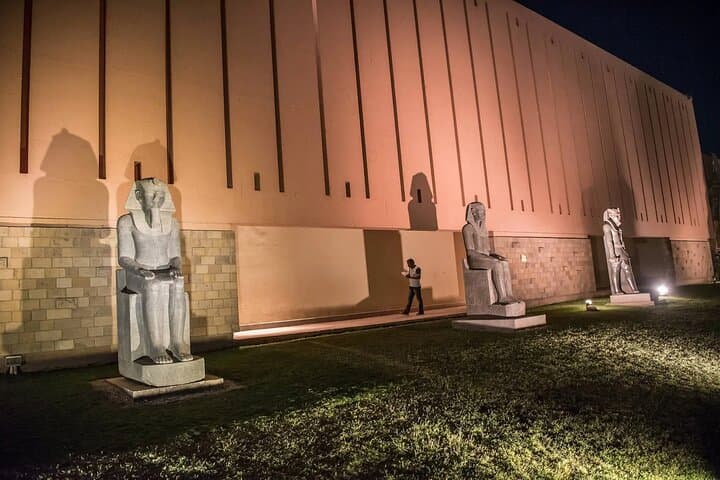
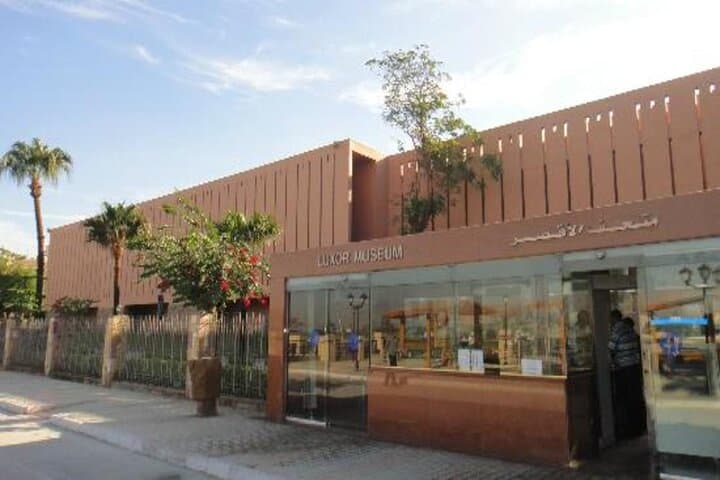
Morning light flakes across the Nile as your driver eases onto Luxor’s Corniche and drops you at a low, modern building that feels quietly deliberate amid the city’s bustle.
Morning light flakes across the Nile as your driver eases onto Luxor’s Corniche and drops you at a low, modern building that feels quietly deliberate amid the city’s bustle.
Inside, rooms clear and cool, artifacts sit like witnesses: carved stone, gilded jewelry, and sarcophagi that map lives and rituals from Thebes and the New Kingdom. The museum’s layout encourages a patient pace—text panels and curators’ choices let you linger at a favorite statue or return to a case of funerary objects without the pull of a guided group.
Luxor occupies the footprint of ancient Thebes; the museum was established to showcase finds from local tombs and temples and to make those finds readable in the city that produced them. Geologically, you’re in the Nile Valley where the river cut a green corridor through limestone and desert, and culturally you move between millennia: daily life, devotion, and death all reappear in different materials and scales.
Practical side: this is a short, accessible visit—plan 90–120 minutes. Entrance tickets are included and your driver waits in the lot for the return transfer. Expect security checks, flat floors, and photography allowed without flash in many galleries. Visit in the cool of the morning or late afternoon to avoid mid-day heat and market crowds.
Bring sun protection for the walk from your hotel, hydrate before and after the museum, and keep bags modestly sized for security screening. A self-guided visit gives freedom: follow the objects that interest you and let the artifacts shape your route.