THE ADVENTURE COLLECTIVE® · Independent discovery and booking for outdoor travel

Spend a focused half‑day in Luxor’s two leading museums: the archaeological collections at Luxor Museum and the specialized Mummification Museum. This private four‑hour tour pairs accessible exhibits with expert explanation of ancient Egyptian funerary practice.
Spend a focused half‑day in Luxor’s two leading museums: the archaeological collections at Luxor Museum and the specialized Mummification Museum. This private four‑hour tour pairs accessible exhibits with expert explanation of ancient Egyptian funerary practice.
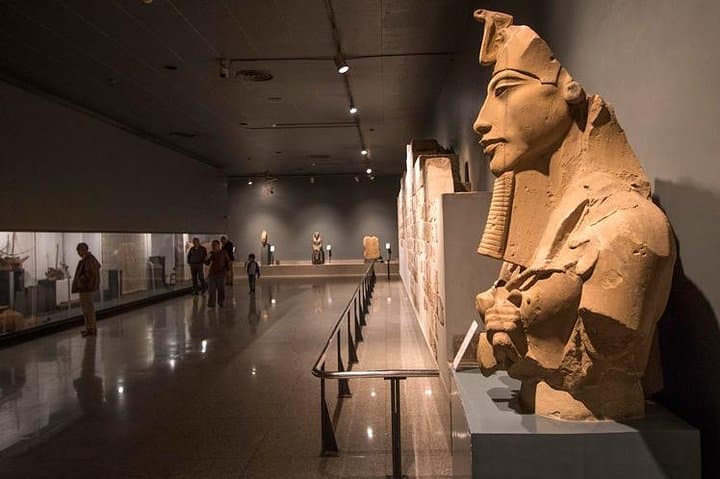
The morning opens on Luxor’s broad corniche with the Nile breathing heat into the city; your guide meets you at the hotel and leads the short drive past sandstone facades to the Luxor Museum, where glass cases hold objects that once lived in the tombs and temples of Upper Egypt.
Verified experiences and guided adventures in the surrounding area.
Operated by HORUS TOURS & TRAVEL · Luxor, Luxor Governorate
The morning opens on Luxor’s broad corniche with the Nile breathing heat into the city; your guide meets you at the hotel and leads the short drive past sandstone facades to the Luxor Museum, where glass cases hold objects that once lived in the tombs and temples of Upper Egypt.
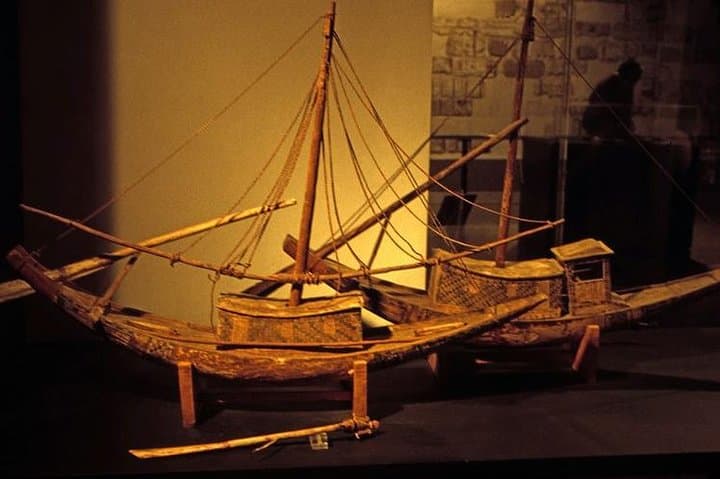
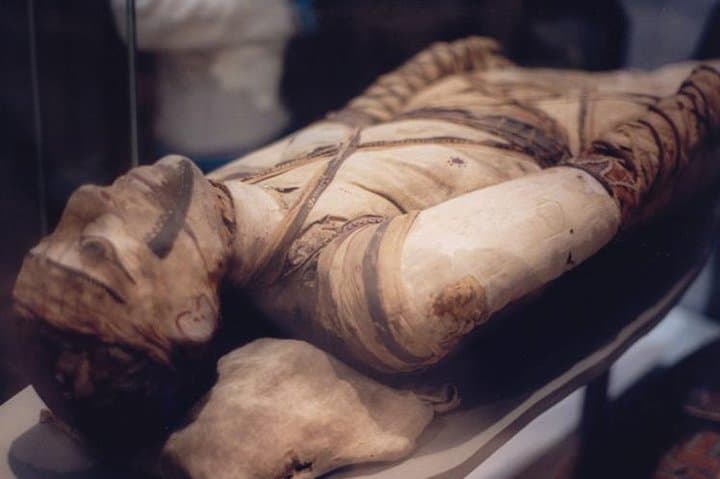
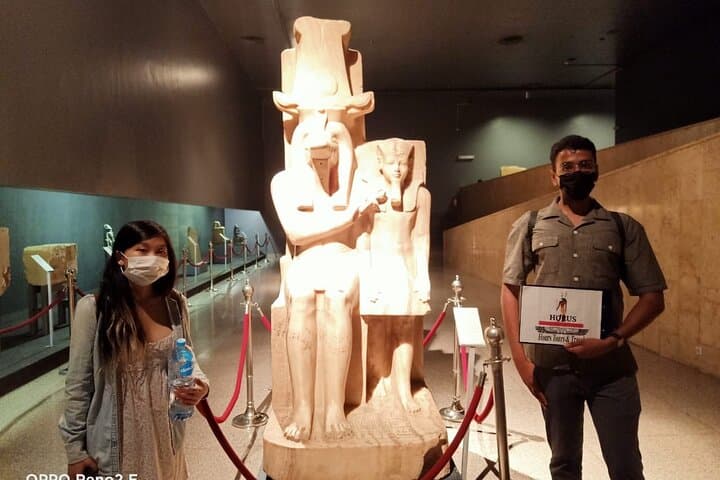
The Luxor Museum groups statuary and everyday funerary goods by context, helping visitors read late‑period tastes and the shifting iconography that followed the New Kingdom. A short transfer brings you to the newer Mummification Museum, a compact, focused display of embalming tools, natron samples, bandages and explanatory panels that reconstruct the step‑by‑step craft of preserving the dead.
Geology and Nile silt shaped both the monuments and the raw materials—limestone, alabaster and clay—that ancient artisans worked here. Culturally, the tour is a primer on how mortuary practice sustained social memory: coffins, ushabti figures and amulets speak to beliefs that held a city together for millennia.
Expect comfortable indoor walking, moderate exhibits with translation panels, and opportunities to ask questions about conservation and provenance. The museums are largely accessible and suitable for family groups; photography policies vary by room so follow signage and your guide’s instructions.
Practical tips: arrive in the cooler morning hours, bring sun protection for the short walks between sites, wear shoes for standing on hard floors, and carry a small bottle of water. The whole private experience runs about four hours, returning you to your hotel with a clearer picture of Luxor’s funerary world and the methods that made it endure.
easy.
4 hours.
Suitable for most fitness levels; requires walking on flat indoor floors and short transfers by vehicle.
The private itinerary is approximately four hours including transfers and museum visits.
Yes—entrance fees to both museums are included in the tour price.
Both museums and the provided transportation are described as wheelchair accessible; confirm any specific mobility needs when booking.
Photography rules vary by gallery and exhibit—follow posted signs and your guide’s direction to avoid restricted areas.
Luxor grew from ancient Thebes, the ceremonial heart of pharaonic power; the museums collect finds from local tombs and temples spanning the New Kingdom and later eras.
Museums in Luxor work with Egyptian antiquities authorities on conservation; visitors should avoid touching artifacts and follow photography rules to reduce light and handling impact.
HORUS TOURS & TRAVEL operates guided outdoor trips and adventures with an emphasis on safety, stewardship, and memorable experiences.
The morning opens on Luxor’s broad corniche with the Nile breathing heat into the city; your guide meets you at the hotel and leads the short drive past sandstone facades to the Luxor Museum, where glass cases hold objects that once lived in the tombs and temples of Upper Egypt.
The morning opens on Luxor’s broad corniche with the Nile breathing heat into the city; your guide meets you at the hotel and leads the short drive past sandstone facades to the Luxor Museum, where glass cases hold objects that once lived in the tombs and temples of Upper Egypt.
The Luxor Museum groups statuary and everyday funerary goods by context, helping visitors read late‑period tastes and the shifting iconography that followed the New Kingdom. A short transfer brings you to the newer Mummification Museum, a compact, focused display of embalming tools, natron samples, bandages and explanatory panels that reconstruct the step‑by‑step craft of preserving the dead.
Geology and Nile silt shaped both the monuments and the raw materials—limestone, alabaster and clay—that ancient artisans worked here. Culturally, the tour is a primer on how mortuary practice sustained social memory: coffins, ushabti figures and amulets speak to beliefs that held a city together for millennia.
Expect comfortable indoor walking, moderate exhibits with translation panels, and opportunities to ask questions about conservation and provenance. The museums are largely accessible and suitable for family groups; photography policies vary by room so follow signage and your guide’s instructions.
Practical tips: arrive in the cooler morning hours, bring sun protection for the short walks between sites, wear shoes for standing on hard floors, and carry a small bottle of water. The whole private experience runs about four hours, returning you to your hotel with a clearer picture of Luxor’s funerary world and the methods that made it endure.