THE ADVENTURE COLLECTIVE® · Independent discovery and booking for outdoor travel

Explore Luxor’s Mummification Museum at your own pace with prebooked entrance and private hotel transfers. This self-guided visit gives you time to study artifacts, take photos, and learn the practical steps of ancient Egyptian embalming without crowds or schedules.
Explore Luxor’s Mummification Museum at your own pace with prebooked entrance and private hotel transfers. This self-guided visit gives you time to study artifacts, take photos, and learn the practical steps of ancient Egyptian embalming without crowds or schedules.
Late-morning light slants across the Nile and the low stone walls of Luxor as you step from a waiting car and into a quiet room of preserved antiquity.
Verified experiences and guided adventures in the surrounding area.
Operated by Eyes of Egypt · Luxor, Luxor Governorate
Late-morning light slants across the Nile and the low stone walls of Luxor as you step from a waiting car and into a quiet room of preserved antiquity.
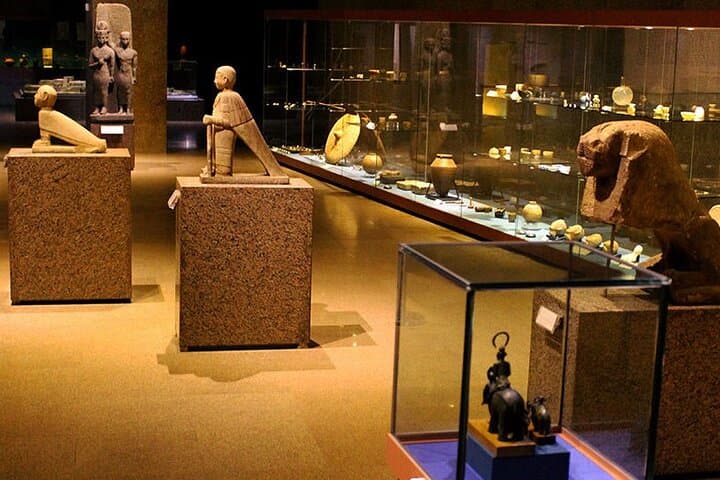
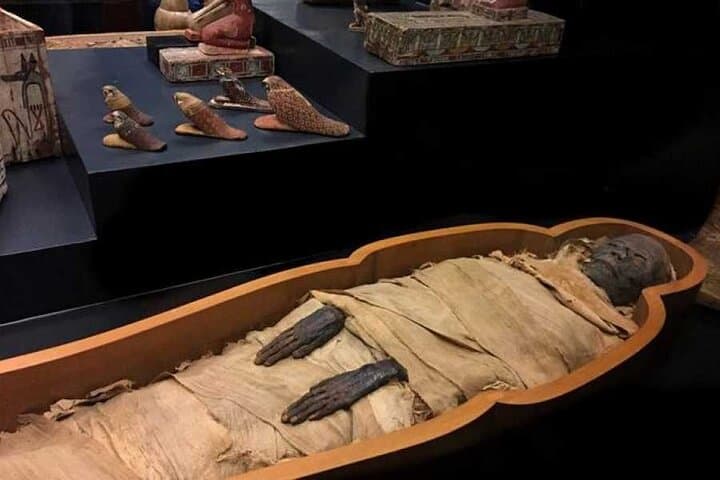
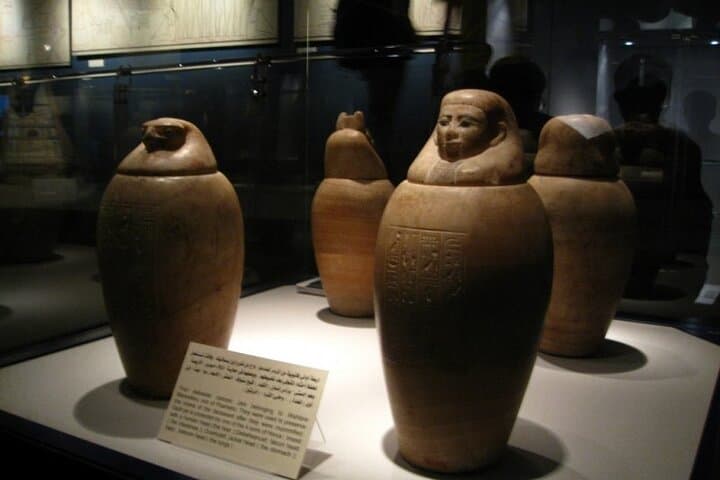
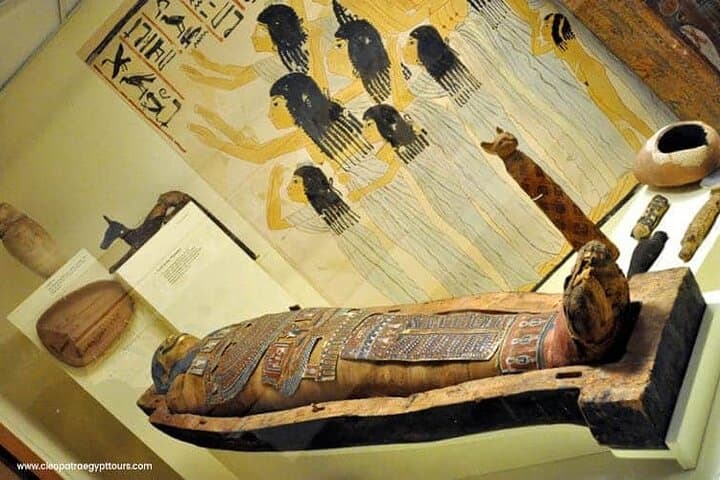
The Mummification Museum offers a focused window on the rituals that secured an afterlife for ancient Egyptians: embalming tables under soft lighting, labeled jars of resins and natron, and carefully arranged coffins that map centuries of funerary practice.
Built beside Luxor’s East Bank, the museum collects finds from Thebes and the surrounding necropolises; its displays trace the technical steps of evisceration, dehydration, and wrapping alongside religious texts that explain why the body mattered.
Geologically, the museum sits on the Nile floodplain where sediment from the river preserved papyri and soft materials that inform modern study. Culturally, the exhibits connect to nearby temples and tombs, showing how mortuary craft was integral to city life and state religion.
Practical guidance: allow 90–120 minutes for a self-paced visit, especially if you want time for photography and close reading of artifact labels. The included private transfers remove the guesswork of taxis and make timing flexible for East or West Bank hotels.
Wear breathable clothing and comfortable shoes for the short walk from the vehicle to the entrance. Summers are hot; plan your visit in the morning or late afternoon when light is better for photos and the museum is cooler.
The experience suits independent travelers, families, and anyone who prefers reading at their own speed rather than a guided commentary. The driver waits outside, so you can extend or shorten your visit without logistics stress.
easy.
1.5–3 hours.
Suitable for most fitness levels; requires short, flat walks between vehicle and entrance.
Plan 90–120 minutes to move through exhibits at a relaxed pace, take photos, and read labels.
Yes — entrance tickets are included and accepted in mobile or paper format according to the booking details.
Yes — the museum and the provided transportation options are wheelchair accessible, but check accessibility needs when booking pickup points.
Yes — the private driver waits during the visit and returns you to your hotel when you finish, providing flexible timing.
The museum focuses on mummification techniques used in Thebes, illustrating religious beliefs about the afterlife and the practical steps artisans used to preserve bodies over millennia.
Visitors should stick to marked paths and avoid touching artifacts; archaeological conservation in Luxor emphasizes controlling humidity, handling, and light exposure to protect fragile materials.
Eyes of Egypt operates guided outdoor trips and adventures with an emphasis on safety, stewardship, and memorable experiences.
Late-morning light slants across the Nile and the low stone walls of Luxor as you step from a waiting car and into a quiet room of preserved antiquity.
Late-morning light slants across the Nile and the low stone walls of Luxor as you step from a waiting car and into a quiet room of preserved antiquity.
The Mummification Museum offers a focused window on the rituals that secured an afterlife for ancient Egyptians: embalming tables under soft lighting, labeled jars of resins and natron, and carefully arranged coffins that map centuries of funerary practice.
Built beside Luxor’s East Bank, the museum collects finds from Thebes and the surrounding necropolises; its displays trace the technical steps of evisceration, dehydration, and wrapping alongside religious texts that explain why the body mattered.
Geologically, the museum sits on the Nile floodplain where sediment from the river preserved papyri and soft materials that inform modern study. Culturally, the exhibits connect to nearby temples and tombs, showing how mortuary craft was integral to city life and state religion.
Practical guidance: allow 90–120 minutes for a self-paced visit, especially if you want time for photography and close reading of artifact labels. The included private transfers remove the guesswork of taxis and make timing flexible for East or West Bank hotels.
Wear breathable clothing and comfortable shoes for the short walk from the vehicle to the entrance. Summers are hot; plan your visit in the morning or late afternoon when light is better for photos and the museum is cooler.
The experience suits independent travelers, families, and anyone who prefers reading at their own speed rather than a guided commentary. The driver waits outside, so you can extend or shorten your visit without logistics stress.