THE ADVENTURE COLLECTIVE® · Independent discovery and booking for outdoor travel

Travel overnight from Hurghada to Luxor for two full days of pharaonic highlights: Karnak, Luxor Temple, Valley of the Kings, Hatshepsut and a sunrise hot-air balloon. Expect long transfers, early starts, and immersive ancient sites paired with a night in Luxor.
Travel overnight from Hurghada to Luxor for two full days of pharaonic highlights: Karnak, Luxor Temple, Valley of the Kings, Hatshepsut and a sunrise hot-air balloon. Expect long transfers, early starts, and immersive ancient sites paired with a night in Luxor.
You rise before dawn on the Red Sea coast, the van easing out of Hurghada while the desert sighs open around you. By mid-morning the Nile valley’s green appears like an invitation; palm groves and irrigated fields stretch toward stone columns that pierce the sky.
Verified experiences and guided adventures in the surrounding area.
Operated by Egypt Sunny Tours · Luxor, Luxor Governorate
You rise before dawn on the Red Sea coast, the van easing out of Hurghada while the desert sighs open around you. By mid-morning the Nile valley’s green appears like an invitation; palm groves and irrigated fields stretch toward stone columns that pierce the sky.
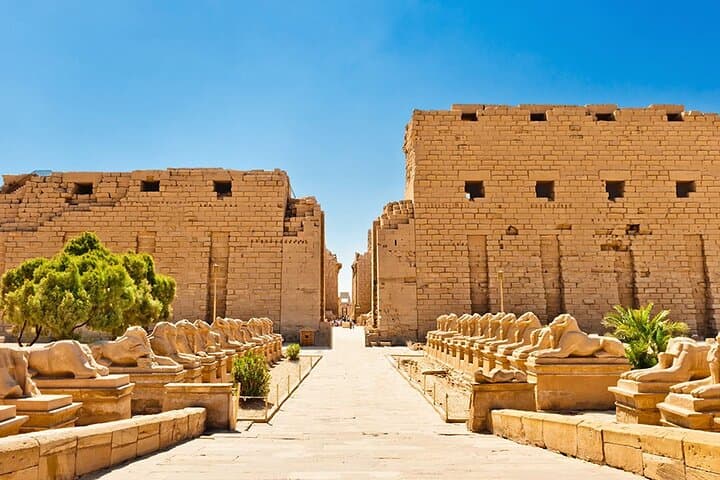
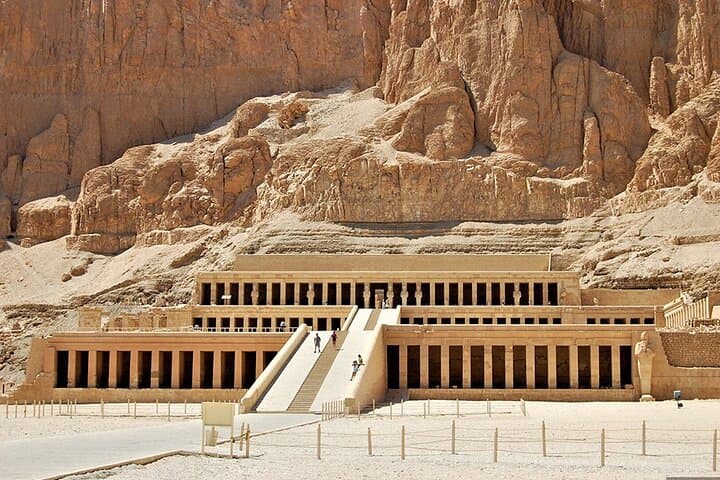
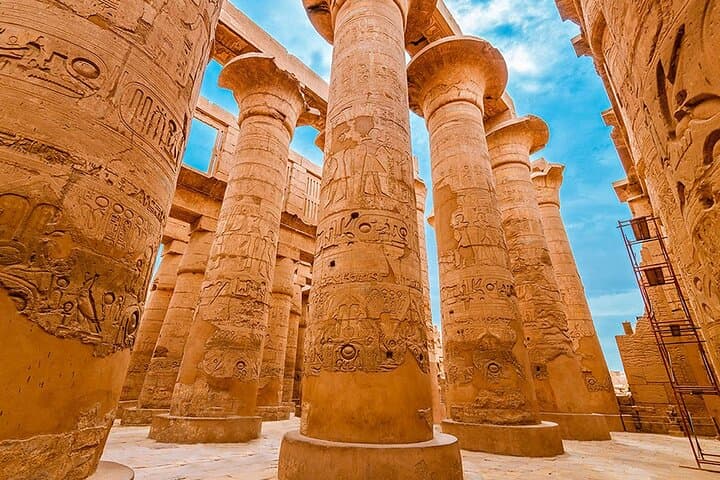
Luxor was once Thebes, the ceremonial heart of pharaonic Egypt. Walkways of sphinxes lead to Karnak’s Hypostyle Hall where sandstone columns carry carved prayers and scenes of gods; across the river, Luxor Temple tightens that ritual line into an intimate court. On the west bank, tombs in the Valley of the Kings cut into limestone reveal painted corridors intended to guide a ruler’s soul, while Hatshepsut’s terraced mortuary temple climbs the cliff in precise geometric layers.
Geology here is blunt and clear: soft Nile silt feeds agriculture; the surrounding cliffs are fossil-rich limestone and sandstone that ancient builders carved with copper and patience. Local life pivots around markets, felucca traffic, and small farms—expect fragrant spice stalls, sugarcane presses, and friendly bargaining.
Practical guidance: the itinerary is an overnight loop—plan for long vehicle transfers, early starts, and several hours on your feet over uneven stone. Dress respectfully (shoulders and knees covered at temple sites), bring sun protection and a reusable water bottle, and carry small change for guide and site staff. Hot-air balloon launches are weather-dependent—book early and keep flexible. With basic mobility and a sense of patience for travel logistics, this compact Luxor program delivers the city’s big moments in two efficient, memorable days.
moderate.
2 days / 1 night.
Suitable for travelers with basic fitness; involves several hours of walking, some uneven stairs and standing during visits.
The itinerary lists a hot-air balloon experience with admission included; flights are subject to the operator's weather and safety decisions.
Yes—this package includes admissions listed in the itinerary and one night hotel accommodation on a bed-and-breakfast basis.
The transfer typically takes roughly 3.5–4 hours each way by road depending on traffic and stops—expect long but scenic stretches.
The tour is marked as suitable for all fitness levels, but many sites have uneven ground and stairs; guests with limited mobility should check specifics with the operator before booking.
Luxor sits on the site of ancient Thebes, the religious and political core of New Kingdom Egypt; Karnak and Luxor temples formed a ceremonial axis linked by processional routes.
Conservation efforts focus on stabilizing painted tomb interiors and managing visitor impact; carry out waste, avoid touching reliefs, and follow guide directions to help protect fragile sites.
Egypt Sunny Tours operates guided outdoor trips and adventures with an emphasis on safety, stewardship, and memorable experiences.
You rise before dawn on the Red Sea coast, the van easing out of Hurghada while the desert sighs open around you. By mid-morning the Nile valley’s green appears like an invitation; palm groves and irrigated fields stretch toward stone columns that pierce the sky.
You rise before dawn on the Red Sea coast, the van easing out of Hurghada while the desert sighs open around you. By mid-morning the Nile valley’s green appears like an invitation; palm groves and irrigated fields stretch toward stone columns that pierce the sky.
Luxor was once Thebes, the ceremonial heart of pharaonic Egypt. Walkways of sphinxes lead to Karnak’s Hypostyle Hall where sandstone columns carry carved prayers and scenes of gods; across the river, Luxor Temple tightens that ritual line into an intimate court. On the west bank, tombs in the Valley of the Kings cut into limestone reveal painted corridors intended to guide a ruler’s soul, while Hatshepsut’s terraced mortuary temple climbs the cliff in precise geometric layers.
Geology here is blunt and clear: soft Nile silt feeds agriculture; the surrounding cliffs are fossil-rich limestone and sandstone that ancient builders carved with copper and patience. Local life pivots around markets, felucca traffic, and small farms—expect fragrant spice stalls, sugarcane presses, and friendly bargaining.
Practical guidance: the itinerary is an overnight loop—plan for long vehicle transfers, early starts, and several hours on your feet over uneven stone. Dress respectfully (shoulders and knees covered at temple sites), bring sun protection and a reusable water bottle, and carry small change for guide and site staff. Hot-air balloon launches are weather-dependent—book early and keep flexible. With basic mobility and a sense of patience for travel logistics, this compact Luxor program delivers the city’s big moments in two efficient, memorable days.