THE ADVENTURE COLLECTIVE® · Independent discovery and booking for outdoor travel

Three days of private touring link the temple-lined east bank, the royal tombs of the west bank and the sacred site of Abydos. This practical guide explains what to expect on-site, historical context, and tips to make the most of your Luxor experience.
Three days of private touring link the temple-lined east bank, the royal tombs of the west bank and the sacred site of Abydos. This practical guide explains what to expect on-site, historical context, and tips to make the most of your Luxor experience.
You step off the Nile-side corniche as dawn cuts across the columns of Karnak; dust and centuries hang in the air while the avenue of sphinxes seems to lead you back through time.
Verified experiences and guided adventures in the surrounding area.
Operated by Luxor Booking Tours · Luxor, Luxor Governorate
You step off the Nile-side corniche as dawn cuts across the columns of Karnak; dust and centuries hang in the air while the avenue of sphinxes seems to lead you back through time.
Over three days this private tour threads the east bank's monumental temples with the west bank's funerary landscape and a daytrip to Abydos, one of Egypt's oldest cult centers. The itinerary covers Karnak and Luxor Temples, the Mummification Museum, the Valley of the Kings (home to Tutankhamun's tomb), Hatshepsut's mortuary temple, the Colossi of Memnon and Abydos' temple complex. Geologically, these sites sit on Nile-alluvium and sandstone escarpments that ancient builders quarried for obelisks and statues; the contrast between Nile plain and arid necropolis is striking.
Expect guided walking at archaeological sites over uneven stone floors and ramps, short drives by modern A/C vehicle, and modest daily walking windows of a few hours per site. Cultural context is constant: Thebes' New Kingdom pharaohs reshaped religion and monumentality here, while Abydos preserves early dynastic cult practices linked to Osiris.
Practical guidance: schedule outdoor visits early or late to avoid peak heat, carry sun protection and at least 1–2 liters of water, and wear sturdy shoes for carved steps and loose sand. Photography is widely permitted but rules vary by tomb—follow guides and signage for restricted chambers. The tour is wheelchair-accessible in many places, but some tomb interiors and desert approaches involve steps and uneven ground. Bring local currency for small purchases and tipping; confirm pickup times and passport details ahead of departure.
easy.
3 days.
Suitable for travelers in average physical condition; involves moderate walking and some stairs but no technical exertion.
Admission fees are typically not included in the basic tour price; confirm with the operator which site tickets are covered or if you need to buy on arrival.
The tour notes wheelchair accessibility for many areas and vehicles, but some tomb interiors and Hatshepsut's terraces have steps—check specific site access if mobility is limited.
Abydos is roughly a 2.5–3 hour drive each way from Luxor depending on traffic and stops; the itinerary allocates a full day for the roundtrip visit.
Carry your passport or a copy, plus any visa papers; you will be asked for passport details when booking and at some sites for security reasons.
Luxor sits on the site of ancient Thebes, capital during Egypt's New Kingdom; nearby Abydos was a major cult center linked to Osiris and early royal burials.
Visitor pressure and river-side development are ongoing concerns; support local guides who follow site rules and avoid touching fragile reliefs or inscriptions.
Luxor Booking Tours operates guided outdoor trips and adventures with an emphasis on safety, stewardship, and memorable experiences.
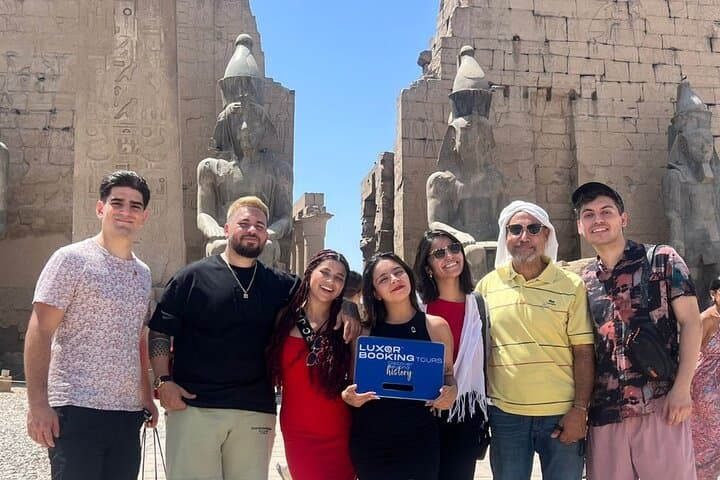

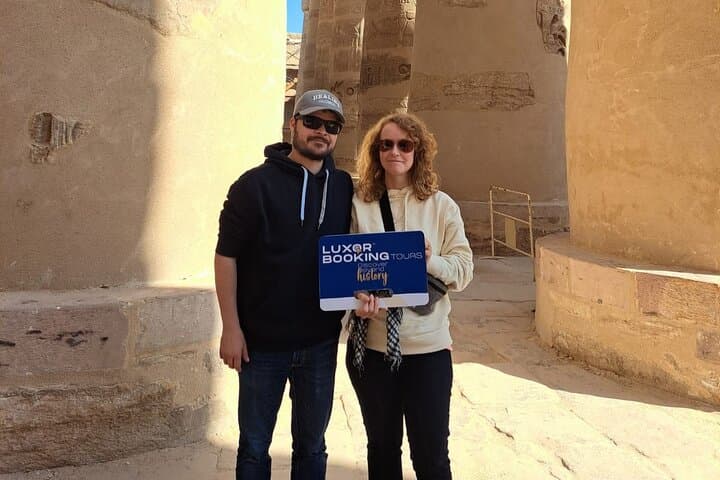

You step off the Nile-side corniche as dawn cuts across the columns of Karnak; dust and centuries hang in the air while the avenue of sphinxes seems to lead you back through time.
You step off the Nile-side corniche as dawn cuts across the columns of Karnak; dust and centuries hang in the air while the avenue of sphinxes seems to lead you back through time.
Over three days this private tour threads the east bank's monumental temples with the west bank's funerary landscape and a daytrip to Abydos, one of Egypt's oldest cult centers. The itinerary covers Karnak and Luxor Temples, the Mummification Museum, the Valley of the Kings (home to Tutankhamun's tomb), Hatshepsut's mortuary temple, the Colossi of Memnon and Abydos' temple complex. Geologically, these sites sit on Nile-alluvium and sandstone escarpments that ancient builders quarried for obelisks and statues; the contrast between Nile plain and arid necropolis is striking.
Expect guided walking at archaeological sites over uneven stone floors and ramps, short drives by modern A/C vehicle, and modest daily walking windows of a few hours per site. Cultural context is constant: Thebes' New Kingdom pharaohs reshaped religion and monumentality here, while Abydos preserves early dynastic cult practices linked to Osiris.
Practical guidance: schedule outdoor visits early or late to avoid peak heat, carry sun protection and at least 1–2 liters of water, and wear sturdy shoes for carved steps and loose sand. Photography is widely permitted but rules vary by tomb—follow guides and signage for restricted chambers. The tour is wheelchair-accessible in many places, but some tomb interiors and desert approaches involve steps and uneven ground. Bring local currency for small purchases and tipping; confirm pickup times and passport details ahead of departure.