THE ADVENTURE COLLECTIVE® · Independent discovery and booking for outdoor travel

See Luxor’s temples and tombs in a single long day: private flights from Cairo, a guided tour of Karnak and the Valley of the Kings, a felucca sail on the Nile, and a short camel ride. Practical, fast, and anchored by an Egyptologist guide.
See Luxor’s temples and tombs in a single long day: private flights from Cairo, a guided tour of Karnak and the Valley of the Kings, a felucca sail on the Nile, and a short camel ride. Practical, fast, and anchored by an Egyptologist guide.
You step off the short domestic flight and the desert opens like a page turned — ochre cliffs, a linear band of palms, and the Nile cutting a green ribbon through the valley. The day moves fast: tomb chambers cool with ancient air, columned courtyards that make voices small, then the river itself, inviting and slow, daring you to pause.
Verified experiences and guided adventures in the surrounding area.
Operated by Best Of Egypt Tours · Luxor, Luxor Governorate
You step off the short domestic flight and the desert opens like a page turned — ochre cliffs, a linear band of palms, and the Nile cutting a green ribbon through the valley. The day moves fast: tomb chambers cool with ancient air, columned courtyards that make voices small, then the river itself, inviting and slow, daring you to pause.
Luxor occupies the core of ancient Thebes, the seat of power for Egypt’s Eighteenth Dynasty. Archaeology here layers pharaonic ambition: the funerary slopes on the west bank where tombs are cut into limestone, and the east-bank temple axis — Karnak and Luxor — that grew over centuries. Geology matters: the west bank’s soft rock made deep-cut tombs possible; Nile floods once laid the fertile band that fed imperial cities.
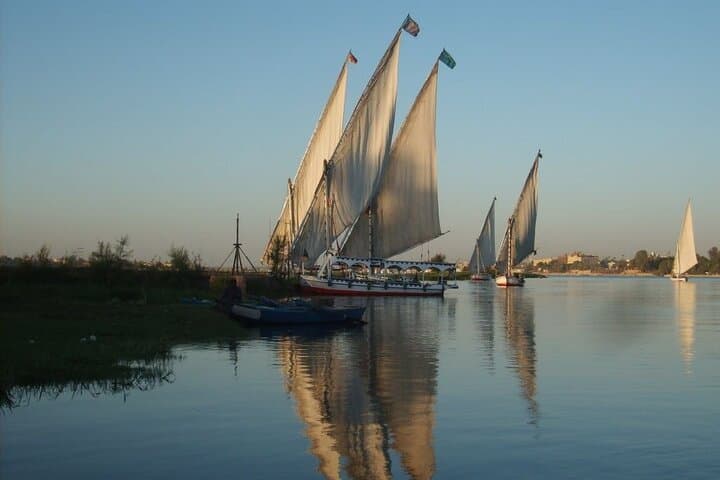
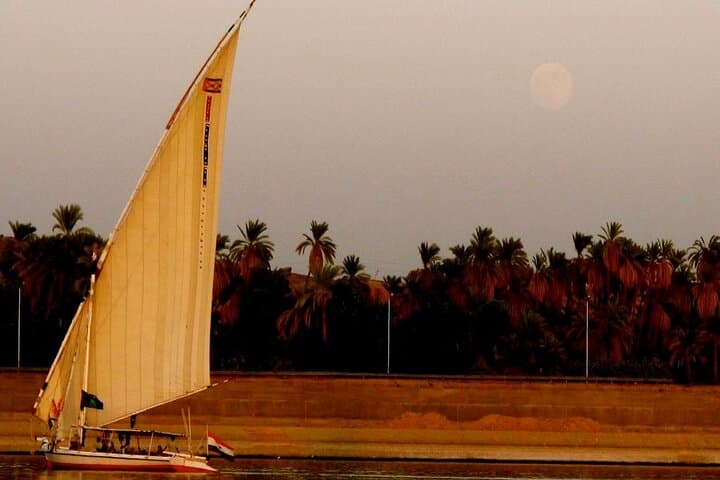
Culture is immediate — Egyptologists explain hieroglyphic verbs, felucca sailors keep a patient watch, and camel handlers offer a tactile link to older transport.
Practical guidance: this is a full, long day (about 12–13 hours) with walking on uneven surfaces and many steps. Carry sun protection and at least 2 liters of water, wear closed-toe shoes with good tread, and keep small local cash for entrance fees or tips. Cameras are welcome but some tombs restrict flash. The trip includes domestic flights, private transfers, an Egyptologist guide, lunch, a felucca sail and a camel ride, so logistics are handled — focus on pacing between sites and letting the Nile slow you down.
moderate.
12–13 hours.
Suitable for travelers who can walk several miles over uneven ground and climb temple steps; not strenuous hiking but active all day.
Yes — the tour includes round-trip domestic flights Cairo–Luxor–Cairo as part of the package.
Some itinerary items list admission as not included; expect standard entry fees for specific tombs or optional chambers may be extra.
The operator reports wheelchair-accessible transportation and some accessible areas, but many ancient sites have steps and uneven terrain — accessibility within tombs and certain temples may be limited.
Yes — infant seats and stroller access are available for transport, but supervision is needed at archaeological sites and during the felucca or camel rides.
Luxor sits on ancient Thebes, the political and religious heart of Egypt during the New Kingdom (including the Eighteenth Dynasty), leaving an extraordinary concentration of temples and royal tombs.
Tourism puts pressure on fragile tomb paintings and temple stonework; follow your guide’s rules, avoid touching ancient surfaces, and prefer licensed local guides to support sustainable stewardship.
Best Of Egypt Tours operates guided outdoor trips and adventures with an emphasis on safety, stewardship, and memorable experiences.


You step off the short domestic flight and the desert opens like a page turned — ochre cliffs, a linear band of palms, and the Nile cutting a green ribbon through the valley. The day moves fast: tomb chambers cool with ancient air, columned courtyards that make voices small, then the river itself, inviting and slow, daring you to pause.
You step off the short domestic flight and the desert opens like a page turned — ochre cliffs, a linear band of palms, and the Nile cutting a green ribbon through the valley. The day moves fast: tomb chambers cool with ancient air, columned courtyards that make voices small, then the river itself, inviting and slow, daring you to pause.
Luxor occupies the core of ancient Thebes, the seat of power for Egypt’s Eighteenth Dynasty. Archaeology here layers pharaonic ambition: the funerary slopes on the west bank where tombs are cut into limestone, and the east-bank temple axis — Karnak and Luxor — that grew over centuries. Geology matters: the west bank’s soft rock made deep-cut tombs possible; Nile floods once laid the fertile band that fed imperial cities.
Culture is immediate — Egyptologists explain hieroglyphic verbs, felucca sailors keep a patient watch, and camel handlers offer a tactile link to older transport.
Practical guidance: this is a full, long day (about 12–13 hours) with walking on uneven surfaces and many steps. Carry sun protection and at least 2 liters of water, wear closed-toe shoes with good tread, and keep small local cash for entrance fees or tips. Cameras are welcome but some tombs restrict flash. The trip includes domestic flights, private transfers, an Egyptologist guide, lunch, a felucca sail and a camel ride, so logistics are handled — focus on pacing between sites and letting the Nile slow you down.