THE ADVENTURE COLLECTIVE® · Independent discovery and booking for outdoor travel

Fly from Cairo to Luxor for a concentrated day among pharaonic giants: Valley of the Kings, Hatshepsut's temple, the Colossi of Memnon and Karnak. This private, guided day trip blends efficient logistics with expert interpretation — ideal for travelers short on time but hungry for Egypt's antiquities.
Fly from Cairo to Luxor for a concentrated day among pharaonic giants: Valley of the Kings, Hatshepsut's temple, the Colossi of Memnon and Karnak. This private, guided day trip blends efficient logistics with expert interpretation — ideal for travelers short on time but hungry for Egypt's antiquities.
You step off the short domestic flight and into a different era: the air smells faintly of sand and spice, the Nile's ribbon visible beyond the city, and a local guide waits with a shaded van. The day moves with purpose — a swift crossing to Luxor's West Bank, the stepped terraces of Hatshepsut, the silent caverns of the Valley of the Kings, the hulking Colossi of Memnon, then back across the river to Karnak's avenue of columns as late-day light softens carved reliefs.
Verified experiences and guided adventures in the surrounding area.
Operated by Egypt Best Day Tours · Luxor, Luxor Governorate
You step off the short domestic flight and into a different era: the air smells faintly of sand and spice, the Nile's ribbon visible beyond the city, and a local guide waits with a shaded van. The day moves with purpose — a swift crossing to Luxor's West Bank, the stepped terraces of Hatshepsut, the silent caverns of the Valley of the Kings, the hulking Colossi of Memnon, then back across the river to Karnak's avenue of columns as late-day light softens carved reliefs.
Luxor was ancient Thebes, the religious heart of pharaonic Egypt; its monuments were quarried, rebuilt and venerated for millennia. Geology here is simple and stark: limestone cliffs on the West Bank were carved into tombs, while the Nile's annual generosity allowed a dense civic life on the East. Local culture blends souk commerce with custodianship of antiquities — guides, conservators and small artisans who repair stone and sell alabaster wares.
Practicalities shape this kind of trip: expect a long, structured day (roughly 12–13 hours door-to-door), early starts and a mix of walking on uneven stone and short drives. Temperatures can spike; carry water and sun protection, present passports for ticketing at archaeological sites, and budget time for security checks. The tour is private and guided, with hotel pickup in Cairo/Giza and a working local Egyptologist to explain iconography and pharaonic politics. For travelers wanting maximum value, request specific tombs in advance and confirm whether your return flight is included when you book.
easy.
12–13 hours.
Suitable for most fitness levels but requires standing and walking on uneven surfaces for several hours; light mobility limitations may be manageable with assistance.
The tour includes a flight to Luxor in the standard itinerary, but confirm at booking whether the return flight is included or arranged for an extra fee; entrance fees to specific tombs may be charged on-site.
Yes; the tour is suitable for all physical levels. Infants must sit on an adult's lap for flights and should be included in your booking details.
Expect several short walks, staircases and standing in tombs and temple courtyards — overall activity level is easy but involves uneven terrain.
Lunch is included as part of the private tour, typically at a local restaurant or hotel on the East Bank between sites.
Luxor sits on the site of ancient Thebes, the ceremonial capital where pharaohs built massive mortuary complexes and buried royalty in cliff-cut tombs along the West Bank.
High visitor numbers stress fragile interiors; follow guides' directions, avoid touching reliefs, and use marked paths — many sites limit access to protect fragile paintings and structures.
Egypt Best Day Tours operates guided outdoor trips and adventures with an emphasis on safety, stewardship, and memorable experiences.
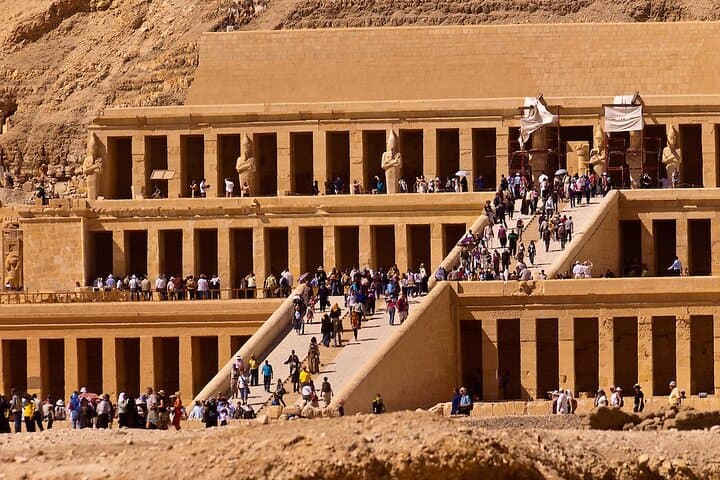
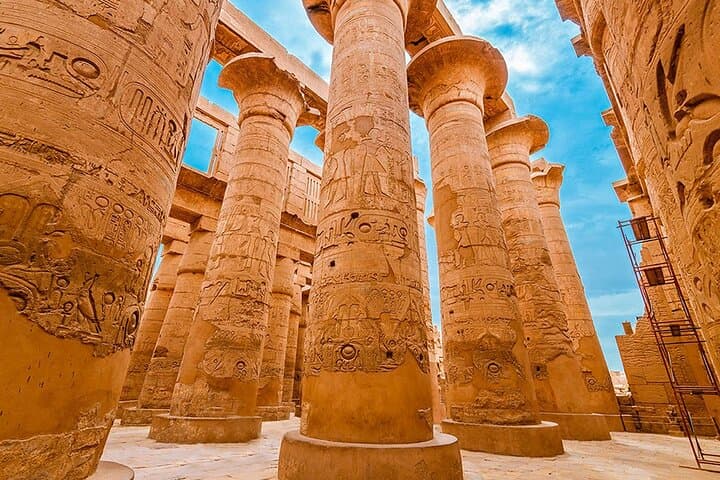
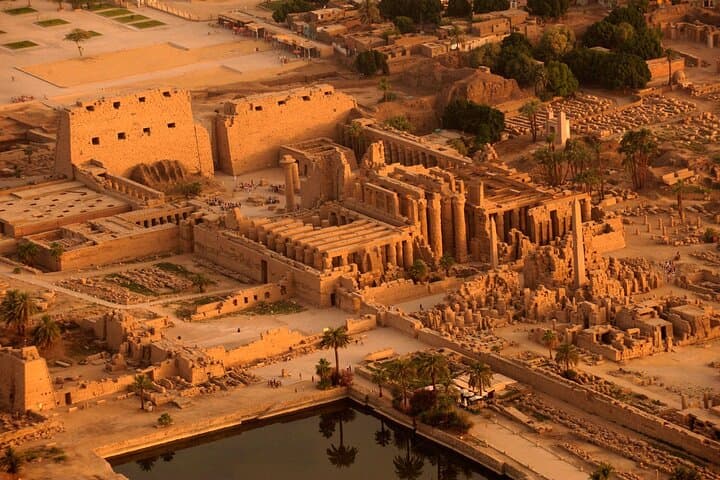
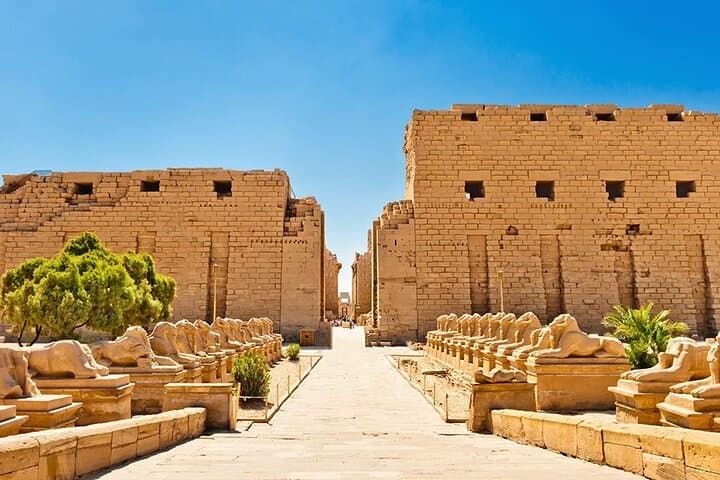
You step off the short domestic flight and into a different era: the air smells faintly of sand and spice, the Nile's ribbon visible beyond the city, and a local guide waits with a shaded van. The day moves with purpose — a swift crossing to Luxor's West Bank, the stepped terraces of Hatshepsut, the silent caverns of the Valley of the Kings, the hulking Colossi of Memnon, then back across the river to Karnak's avenue of columns as late-day light softens carved reliefs.
You step off the short domestic flight and into a different era: the air smells faintly of sand and spice, the Nile's ribbon visible beyond the city, and a local guide waits with a shaded van. The day moves with purpose — a swift crossing to Luxor's West Bank, the stepped terraces of Hatshepsut, the silent caverns of the Valley of the Kings, the hulking Colossi of Memnon, then back across the river to Karnak's avenue of columns as late-day light softens carved reliefs.
Luxor was ancient Thebes, the religious heart of pharaonic Egypt; its monuments were quarried, rebuilt and venerated for millennia. Geology here is simple and stark: limestone cliffs on the West Bank were carved into tombs, while the Nile's annual generosity allowed a dense civic life on the East. Local culture blends souk commerce with custodianship of antiquities — guides, conservators and small artisans who repair stone and sell alabaster wares.
Practicalities shape this kind of trip: expect a long, structured day (roughly 12–13 hours door-to-door), early starts and a mix of walking on uneven stone and short drives. Temperatures can spike; carry water and sun protection, present passports for ticketing at archaeological sites, and budget time for security checks. The tour is private and guided, with hotel pickup in Cairo/Giza and a working local Egyptologist to explain iconography and pharaonic politics. For travelers wanting maximum value, request specific tombs in advance and confirm whether your return flight is included when you book.