THE ADVENTURE COLLECTIVE® · Independent discovery and booking for outdoor travel

See Luxor’s giants in a single, expertly guided day from Cairo. This private tour pairs Karnak and Luxor Temples with Hatshepsut’s mortuary, the Valley of the Kings and the Colossi of Memnon—transport, Egyptologist and lunch included.
See Luxor’s giants in a single, expertly guided day from Cairo. This private tour pairs Karnak and Luxor Temples with Hatshepsut’s mortuary, the Valley of the Kings and the Colossi of Memnon—transport, Egyptologist and lunch included.
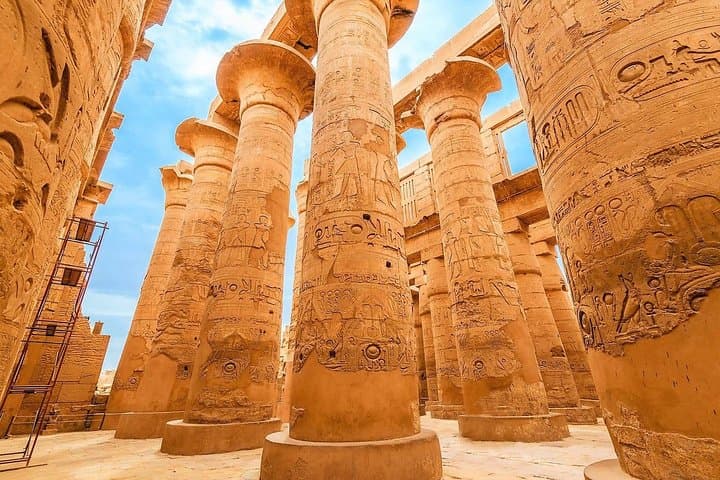
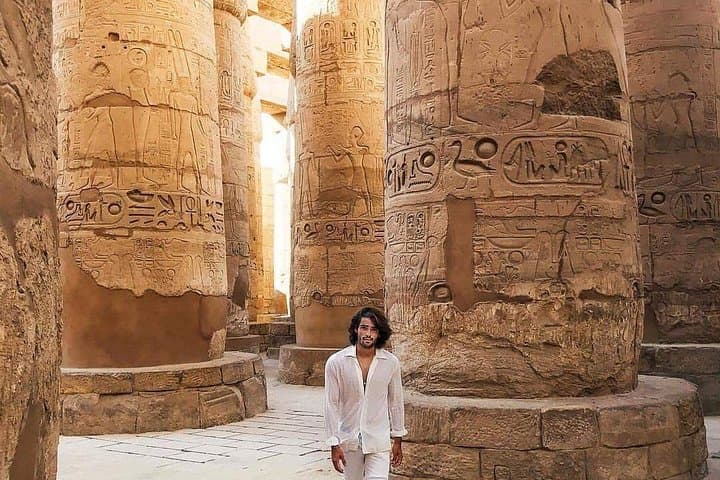
You step off the early flight and the Nile greets you like an old current, daring you forward. In a single day this private tour stitches the two sides of ancient Thebes together: the monumental pylons and hypostyle halls of Karnak and Luxor across the river, and the cliff-carved mortuary temples, royal tombs and silent Colossi that populate the West Bank.
Verified experiences and guided adventures in the surrounding area.
Operated by Look at Egypt Tours · Luxor, Luxor Governorate
You step off the early flight and the Nile greets you like an old current, daring you forward. In a single day this private tour stitches the two sides of ancient Thebes together: the monumental pylons and hypostyle halls of Karnak and Luxor across the river, and the cliff-carved mortuary temples, royal tombs and silent Colossi that populate the West Bank.
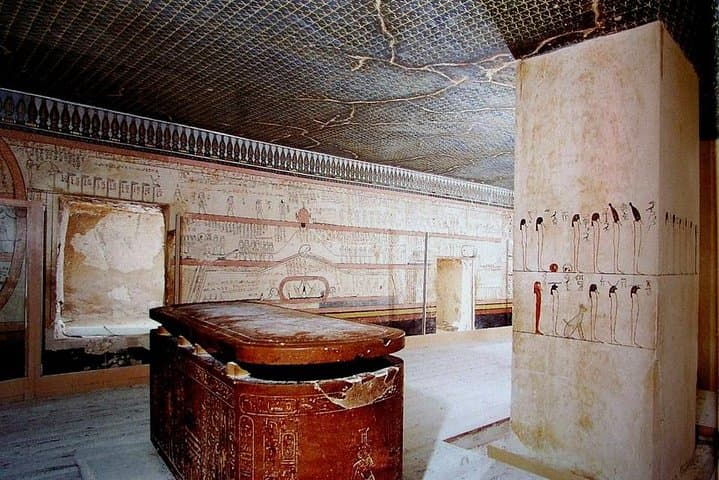
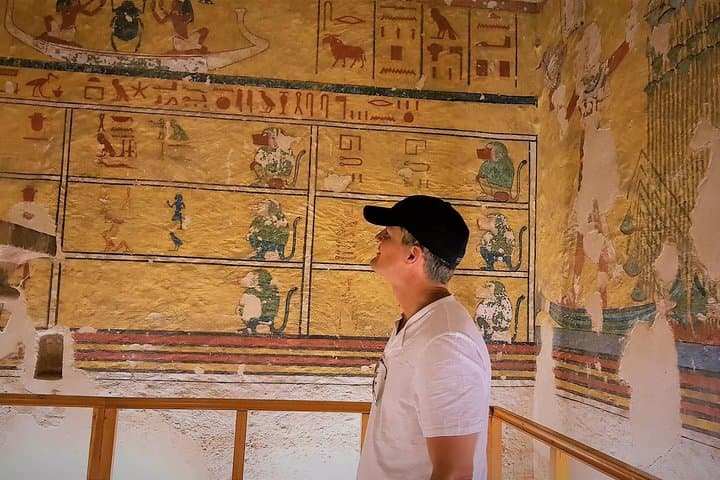
The route traces more than three millennia of pharaonic ambition. Karnak grew as successive rulers added columns and obelisks; Luxor Temple served royal rituals; the Valley of the Kings shelters painted burial chambers cut into limestone and protected now by rotation and dehumidifiers. Queen Hatshepsut’s stepped mortuary temple is a rare, geometric counterpoint to the desert face, while the Colossi of Memnon mark a necropolis that was once a crowded funerary city.
Expect a long but efficient day: private transport, an Egyptologist guide, entry fees and lunch included. The practical rhythm is straightforward—early transfer, concentrated visits with set ticket limits in the Valley, and time for photos and short walks at each site. Bring sun protection, a refillable water bottle, comfortable walking shoes and a light layer for early mornings or air-conditioned vehicles.
Logistics to note: photography rules and tomb access change with conservation needs; some tombs remain closed or rotated. Cash for local purchases and tips is useful. The experience is cinematic and disciplined—the ruins hold their histories quietly while the Nile pulls the present along.
moderate.
9–10 hours.
Suitable for most travelers with a basic level of stamina—you’ll be on your feet for several short walks and stairs inside temples and tombs.
Yes—this tour includes private airport or rail transfers between Cairo and Luxor; you’ll schedule pickup details when booking.
No—access is limited by conservation rules; a ticket usually allows entry to a rotating selection of tombs (three at the Valley of the Kings).
The operator lists wheelchair-accessible transportation and some accessible areas, but many tombs and temples have stairs or uneven terrain—check ahead for specific accessibility needs.
Egyptian pounds are standard for small purchases and tips; carrying some cash for vendors and local staff is recommended.
Luxor sits on the site of ancient Thebes, a political and religious capital where pharaohs built temples and tombs over successive dynasties.
Authorities manage visitor impact through tomb rotation, dehumidifiers and restricted access to fragile interiors to protect pigments and reliefs.
Look at Egypt Tours operates guided outdoor trips and adventures with an emphasis on safety, stewardship, and memorable experiences.
You step off the early flight and the Nile greets you like an old current, daring you forward. In a single day this private tour stitches the two sides of ancient Thebes together: the monumental pylons and hypostyle halls of Karnak and Luxor across the river, and the cliff-carved mortuary temples, royal tombs and silent Colossi that populate the West Bank.
You step off the early flight and the Nile greets you like an old current, daring you forward. In a single day this private tour stitches the two sides of ancient Thebes together: the monumental pylons and hypostyle halls of Karnak and Luxor across the river, and the cliff-carved mortuary temples, royal tombs and silent Colossi that populate the West Bank.
The route traces more than three millennia of pharaonic ambition. Karnak grew as successive rulers added columns and obelisks; Luxor Temple served royal rituals; the Valley of the Kings shelters painted burial chambers cut into limestone and protected now by rotation and dehumidifiers. Queen Hatshepsut’s stepped mortuary temple is a rare, geometric counterpoint to the desert face, while the Colossi of Memnon mark a necropolis that was once a crowded funerary city.
Expect a long but efficient day: private transport, an Egyptologist guide, entry fees and lunch included. The practical rhythm is straightforward—early transfer, concentrated visits with set ticket limits in the Valley, and time for photos and short walks at each site. Bring sun protection, a refillable water bottle, comfortable walking shoes and a light layer for early mornings or air-conditioned vehicles.
Logistics to note: photography rules and tomb access change with conservation needs; some tombs remain closed or rotated. Cash for local purchases and tips is useful. The experience is cinematic and disciplined—the ruins hold their histories quietly while the Nile pulls the present along.