THE ADVENTURE COLLECTIVE® · Independent discovery and booking for outdoor travel

Ride a horse carriage through the living streets of Luxor to meet daily life, markets, and riverside cafés. This three‑hour city tour focuses on local culture and small‑scale discoveries beyond the temples.
Ride a horse carriage through the living streets of Luxor to meet daily life, markets, and riverside cafés. This three‑hour city tour focuses on local culture and small‑scale discoveries beyond the temples.
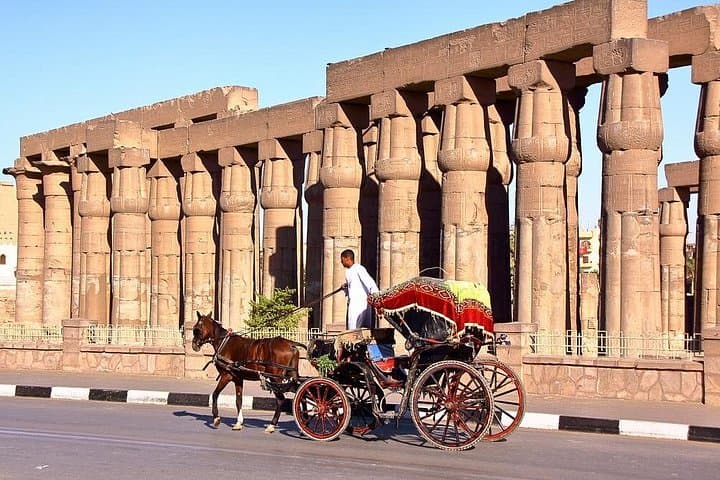
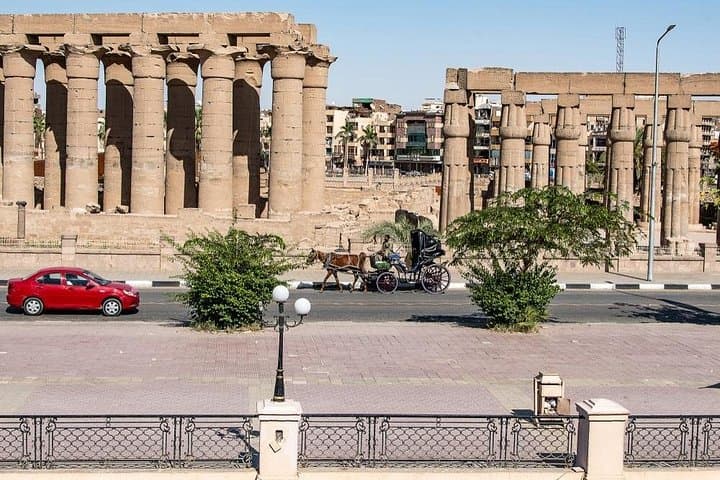
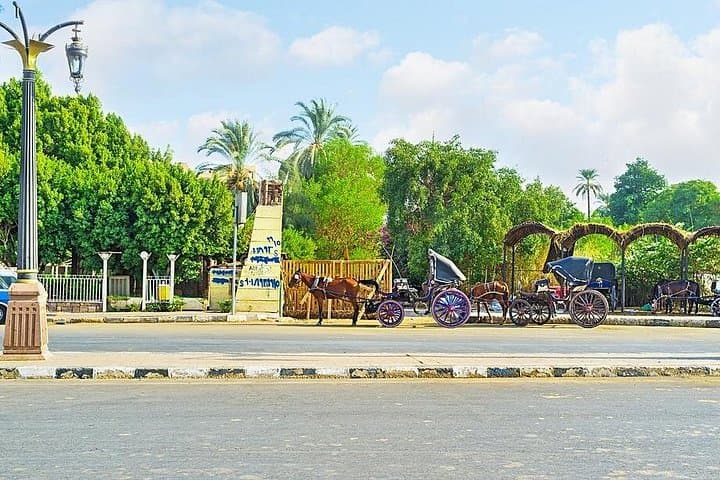
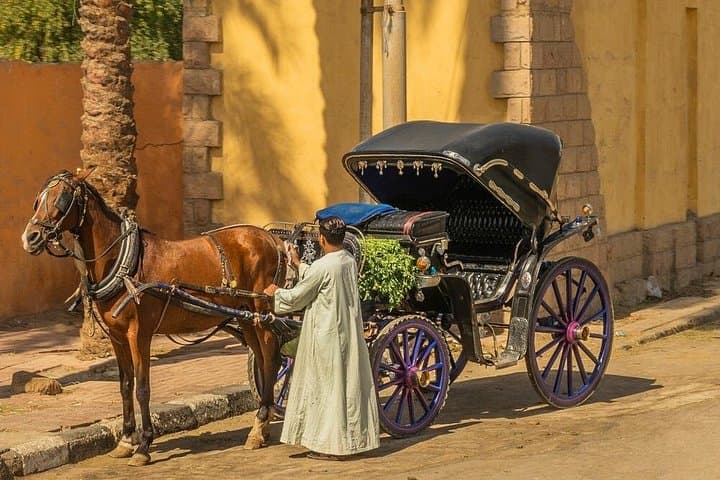
The clip‑clop of hooves and the faint burn of diesel from the Corniche set the tempo as your carriage eases through Luxor’s east bank. Morning light slides off mudbrick walls; vendors arrange fruit in neat pyramids and the Nile nudges the city with a slow, steady pulse.
Verified experiences and guided adventures in the surrounding area.
Operated by Sunrise Tours · Luxor, Luxor Governorate
The clip‑clop of hooves and the faint burn of diesel from the Corniche set the tempo as your carriage eases through Luxor’s east bank. Morning light slides off mudbrick walls; vendors arrange fruit in neat pyramids and the Nile nudges the city with a slow, steady pulse.
This route threads the living city rather than the temple complexes: markets where vendors trade in produce and spices, narrow alleys revealing daily rhythms, and coffee shops where people gather to read the paper and argue softly. Luxor sits on the ancient site of Thebes — the heart of Egypt’s New Kingdom — and while the ruins on the horizon speak to pharaonic power, the urban fabric you ride through grew from the Nile’s seasonal generosity and the desert limestone that frames the valley.
Culturally, the tour is an entry into contemporary Egyptian life: gestures of hospitality, animated bargaining, and small family businesses that have operated in the same lanes for generations. Geology is subtle but present — the city is a green ribbon where the river’s silt has met the desert for millennia.
Practical guidance: plan for early morning or late afternoon to avoid peak heat, carry water and sun protection, and keep valuables close in crowded markets. Respect local dress codes—light layers and a scarf work well—and ask your guide before photographing people. The carriage pace gives time to step down into alleys and cafés, so bring comfortable shoes. Finally, check that the operator follows humane care for horses; ethical treatment supports both the animals and sustainable tourism in Luxor.
easy.
3 hours.
Suitable for all fitness levels; mostly seated with short walks in markets
Yes — hotel pickup and drop‑off within Luxor city is typically included; pickups from outside the city may incur an extra charge.
The tour notes wheelchair‑accessible transportation options; confirm details with the operator when booking to ensure a suitable vehicle and assistance are available.
Arabic and English are common; other languages may be available on request for an additional fee — check at booking.
Tipping is customary for good service; small tips for the driver, guide, and café staff are appreciated and support local incomes.
Luxor occupies the site of ancient Thebes, a political and religious heart of Egypt’s New Kingdom; nearby Karnak and Luxor Temples anchor the city’s long history.
Support operators who demonstrate humane horse care and reduce single‑use plastics; staying on established streets and avoiding sensitive historic fabric helps preserve the city for residents and visitors.
Sunrise Tours operates guided outdoor trips and adventures with an emphasis on safety, stewardship, and memorable experiences.
The clip‑clop of hooves and the faint burn of diesel from the Corniche set the tempo as your carriage eases through Luxor’s east bank. Morning light slides off mudbrick walls; vendors arrange fruit in neat pyramids and the Nile nudges the city with a slow, steady pulse.
The clip‑clop of hooves and the faint burn of diesel from the Corniche set the tempo as your carriage eases through Luxor’s east bank. Morning light slides off mudbrick walls; vendors arrange fruit in neat pyramids and the Nile nudges the city with a slow, steady pulse.
This route threads the living city rather than the temple complexes: markets where vendors trade in produce and spices, narrow alleys revealing daily rhythms, and coffee shops where people gather to read the paper and argue softly. Luxor sits on the ancient site of Thebes — the heart of Egypt’s New Kingdom — and while the ruins on the horizon speak to pharaonic power, the urban fabric you ride through grew from the Nile’s seasonal generosity and the desert limestone that frames the valley.
Culturally, the tour is an entry into contemporary Egyptian life: gestures of hospitality, animated bargaining, and small family businesses that have operated in the same lanes for generations. Geology is subtle but present — the city is a green ribbon where the river’s silt has met the desert for millennia.
Practical guidance: plan for early morning or late afternoon to avoid peak heat, carry water and sun protection, and keep valuables close in crowded markets. Respect local dress codes—light layers and a scarf work well—and ask your guide before photographing people. The carriage pace gives time to step down into alleys and cafés, so bring comfortable shoes. Finally, check that the operator follows humane care for horses; ethical treatment supports both the animals and sustainable tourism in Luxor.