THE ADVENTURE COLLECTIVE® · Independent discovery and booking for outdoor travel

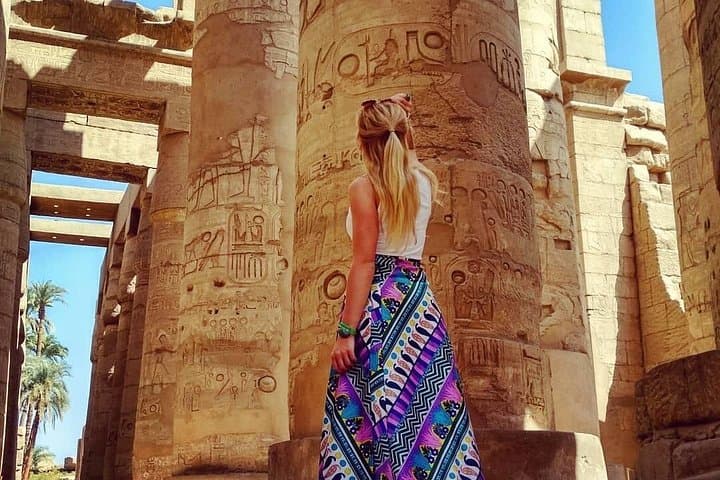
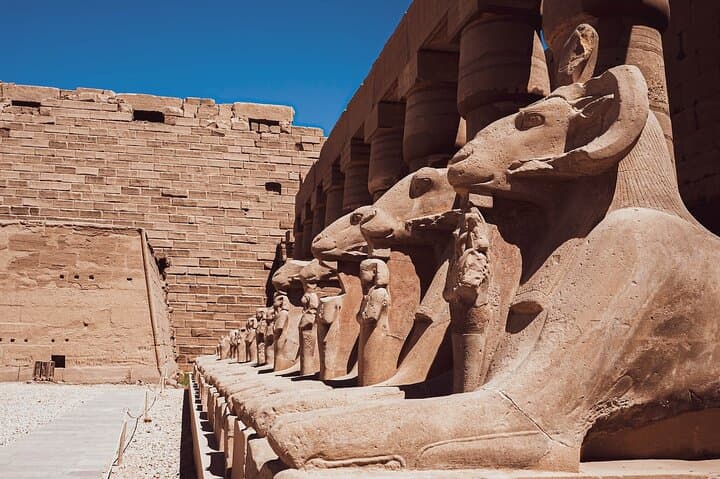
Cross the Eastern Desert from Marsa Alam for a concentrated day among Luxor’s greatest sites: Karnak’s forest of columns, the royal tombs in the Valley of the Kings, the Colossi of Memnon and Hatshepsut’s terraces. This private full-day trip packs archaeology, Nile life and an optional felucca into a single, transport-inclusive itinerary.
Cross the Eastern Desert from Marsa Alam for a concentrated day among Luxor’s greatest sites: Karnak’s forest of columns, the royal tombs in the Valley of the Kings, the Colossi of Memnon and Hatshepsut’s terraces. This private full-day trip packs archaeology, Nile life and an optional felucca into a single, transport-inclusive itinerary.
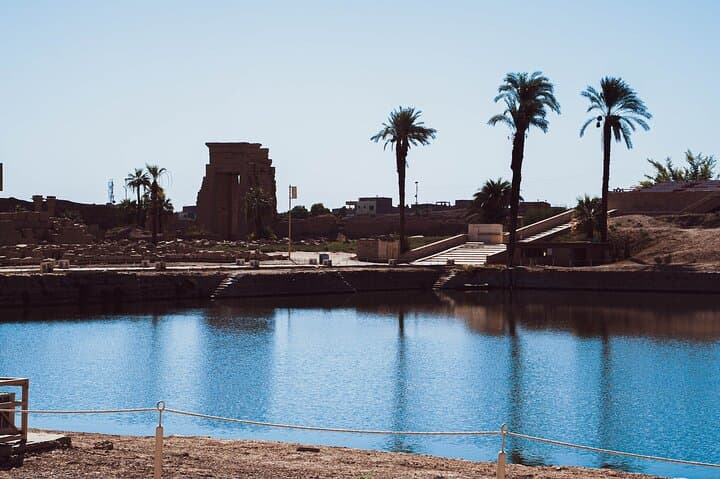
You step out of the air-conditioned van as the desert releases you into the wide, sun-baked sweep of Luxor. Wind moves dust over sandstone blocks; the Nile gleams a ribbon to the east while columns and colossal statues hold court to the past. This full-day route crosses the Eastern Desert into the ancient city once called Thebes, delivering a concentrated encounter with Egypt’s pharaonic center.
Verified experiences and guided adventures in the surrounding area.
Operated by Marsa Waves Activities · Luxor, Luxor Governorate
You step out of the air-conditioned van as the desert releases you into the wide, sun-baked sweep of Luxor. Wind moves dust over sandstone blocks; the Nile gleams a ribbon to the east while columns and colossal statues hold court to the past. This full-day route crosses the Eastern Desert into the ancient city once called Thebes, delivering a concentrated encounter with Egypt’s pharaonic center.
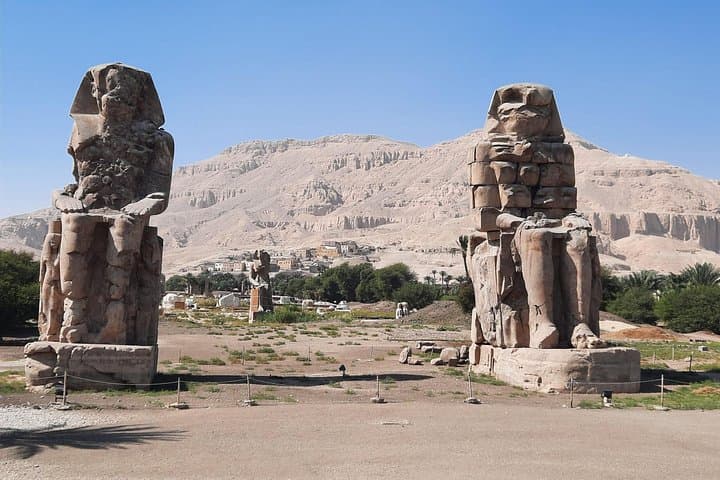
Luxor’s monuments map dynasties: Karnak’s hypostyle hall grows from layered temple-building campaigns over 1,000 years; the Valley of the Kings cuts into the west bank’s limestone—tombs carved for Tutankhamun, Ramses II and others—and Hatshepsut’s stepped mortuary temple rises from rock with geometric clarity. The Colossi of Memnon, two 18-meter quartzite sentries, mark the approach to the west. Local culture remains river-centered: felucca sails and riverside farming speak to a Nile economy unchanged in essential ways for centuries.
Practically: expect a 10-hour day (transport time included), multiple short walks across uneven stone surfaces and stairs, and open sun for most of the route. Entrance fees to Egyptian sites are often not included; bring cash and your passport if you plan to buy tickets on-site. The tour includes lunch and a private, multilingual guide; an optional late-afternoon felucca offers a calmer, scenic cooldown on the Nile. For comfort, plan early starts, sun protection, sturdy shoes, and water. The pace is steady but approachable—history-heavy, physically light, and uncompromisingly memorable.
moderate.
10 hours.
Suitable for travelers who can handle multiple short walks, stairs and standing for guided explanations; not strenuous but requires mobility on uneven ground.
Most official site entrance fees are not included in this tour price; bring cash and your passport as ID to purchase tickets on-site.
Expect roughly 3–4 hours each way depending on traffic and stops—the tour’s total duration (about 10 hours) includes transfer time.
The tour is family-friendly but includes uneven terrain and stairs; it’s not recommended for travelers with serious spinal, heart, or mobility concerns, and infants should be in strollers only where paths allow.
Yes—an optional late-afternoon felucca on the Nile is often offered at the end of the itinerary and provides a peaceful river-side perspective of Luxor.
Luxor sits on the ancient city of Thebes, a pharaonic capital whose temples and tombs span the Middle and New Kingdoms, reflecting centuries of religious and royal building programs.
High visitor numbers and sun exposure threaten pigments and fragile stone; follow route ropes, avoid flash photography where prohibited, and use authorized guides to minimize impact.
Marsa Waves Activities operates guided outdoor trips and adventures with an emphasis on safety, stewardship, and memorable experiences.
You step out of the air-conditioned van as the desert releases you into the wide, sun-baked sweep of Luxor. Wind moves dust over sandstone blocks; the Nile gleams a ribbon to the east while columns and colossal statues hold court to the past. This full-day route crosses the Eastern Desert into the ancient city once called Thebes, delivering a concentrated encounter with Egypt’s pharaonic center.
You step out of the air-conditioned van as the desert releases you into the wide, sun-baked sweep of Luxor. Wind moves dust over sandstone blocks; the Nile gleams a ribbon to the east while columns and colossal statues hold court to the past. This full-day route crosses the Eastern Desert into the ancient city once called Thebes, delivering a concentrated encounter with Egypt’s pharaonic center.
Luxor’s monuments map dynasties: Karnak’s hypostyle hall grows from layered temple-building campaigns over 1,000 years; the Valley of the Kings cuts into the west bank’s limestone—tombs carved for Tutankhamun, Ramses II and others—and Hatshepsut’s stepped mortuary temple rises from rock with geometric clarity. The Colossi of Memnon, two 18-meter quartzite sentries, mark the approach to the west. Local culture remains river-centered: felucca sails and riverside farming speak to a Nile economy unchanged in essential ways for centuries.
Practically: expect a 10-hour day (transport time included), multiple short walks across uneven stone surfaces and stairs, and open sun for most of the route. Entrance fees to Egyptian sites are often not included; bring cash and your passport if you plan to buy tickets on-site. The tour includes lunch and a private, multilingual guide; an optional late-afternoon felucca offers a calmer, scenic cooldown on the Nile. For comfort, plan early starts, sun protection, sturdy shoes, and water. The pace is steady but approachable—history-heavy, physically light, and uncompromisingly memorable.