THE ADVENTURE COLLECTIVE® · Independent discovery and booking for outdoor travel

Explore Karnak and Luxor Temples on a private East Bank tour that pairs daytime archaeology with the option of an evocative sound-and-light evening. Expect columns, hieroglyphs, hotel pickup, and practical tips for navigating heat, crowds, and entry fees.
Explore Karnak and Luxor Temples on a private East Bank tour that pairs daytime archaeology with the option of an evocative sound-and-light evening. Expect columns, hieroglyphs, hotel pickup, and practical tips for navigating heat, crowds, and entry fees.
The sun slants low over the Nile as you step onto the broad stone forecourt of Karnak, columns towering like an organized forest that once dictated the rhythm of a thousand processions.
Verified experiences and guided adventures in the surrounding area.
Operated by Luxor Booking Tours · Luxor, Luxor Governorate
The sun slants low over the Nile as you step onto the broad stone forecourt of Karnak, columns towering like an organized forest that once dictated the rhythm of a thousand processions.
Karnak and Luxor temples occupy the East Bank’s urban spine: Karnak grew as an accretion of pharaonic ambitions for roughly two millennia, its Hypostyle Hall and avenue of sphinxes recording rulers in stone. Luxor Temple, closer to the modern corniche, served religious festivals such as the Opet, when deities were ferried between shrines. Geology here is plain and pragmatic — Nile silt and local limestone underlay the monuments and the fertile ribbon that sustained ancient Thebes.
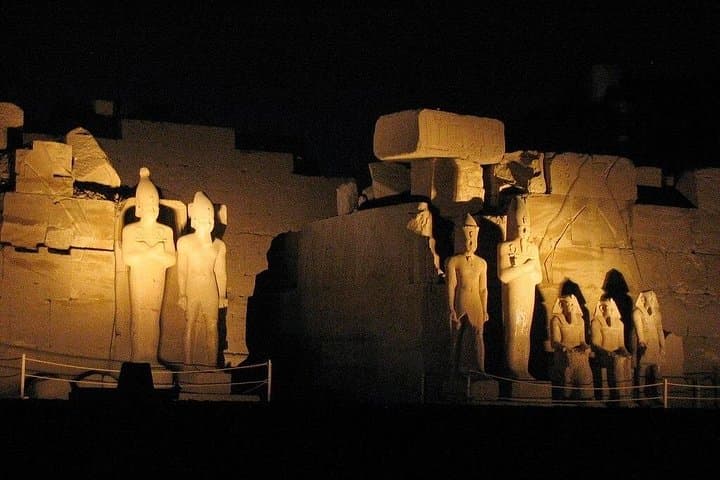
By day the reliefs whisper politics and ritual; at dusk some operators stage the longstanding sound-and-light presentation that gives the ruins a theatrical second life, lights sketching hieroglyphs while narration lays out events. Local culture remains present in the market stalls, the call to prayer from nearby mosques, and the small workshops that repurpose ancient fragments.
Practical guidance: allow about four hours for a hotel pickup, guided walkthrough, and short breaks. Wear sturdy, breathable shoes for uneven stone and sand, bring 1–1.5 liters of water, and sun protection — shade is sparse between pylons. Admission to monuments is usually separate from the tour price; confirm entry fees and whether the sound-and-light show is included. Early morning or late afternoon visits avoid heat and the largest crowds. Respect signage, avoid touching fragile carvings, and plan for photos while staying aware of local sensitivities — cover shoulders in religious sites and ask before photographing people.
easy.
4 hours.
Suitable for most fitness levels; expect walking on uneven stone and short standing periods
Most tours list admission separately; this tour’s itinerary indicates admissions are not included, so budget to buy tickets at the site or confirm with the operator.
Yes — the tour includes pickup and return transfer by modern air-conditioned vehicle from Luxor-area hotels.
Karnak’s sound-and-light presentations run in the evening; availability depends on operator scheduling and may require separate tickets or reservations.
The tour is rated easy and suitable for most ages, but expect walking on uneven ground; request accessibility accommodations at booking if needed.
Karnak accumulated temples, pylons, and shrines across about 2,000 years of pharaonic building campaigns; Luxor Temple was central to the Opet festival connecting royal and divine authority.
These monuments face erosion, salt damage, and visitor wear; stick to marked paths, avoid touching carved surfaces, and follow local guidelines to limit impact.
Luxor Booking Tours operates guided outdoor trips and adventures with an emphasis on safety, stewardship, and memorable experiences.
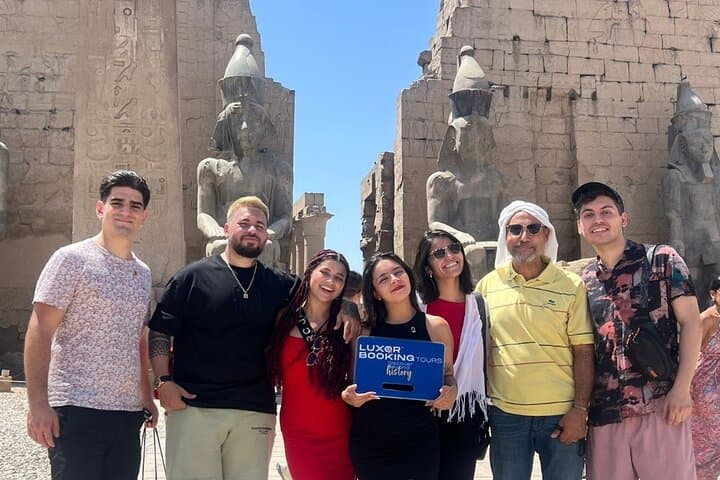
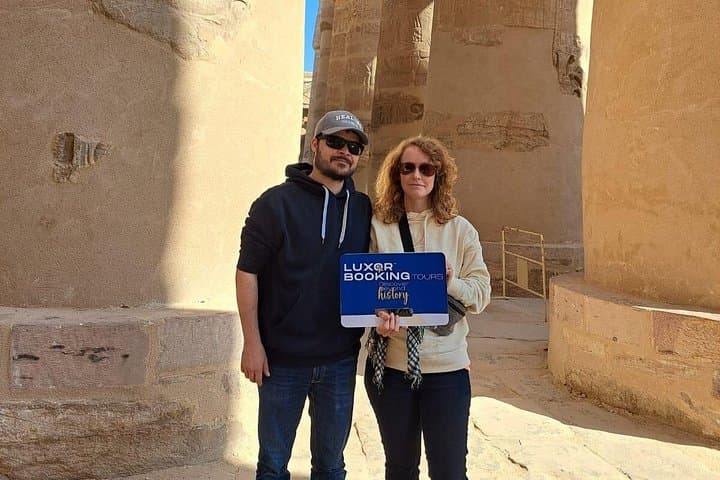
The sun slants low over the Nile as you step onto the broad stone forecourt of Karnak, columns towering like an organized forest that once dictated the rhythm of a thousand processions.
The sun slants low over the Nile as you step onto the broad stone forecourt of Karnak, columns towering like an organized forest that once dictated the rhythm of a thousand processions.
Karnak and Luxor temples occupy the East Bank’s urban spine: Karnak grew as an accretion of pharaonic ambitions for roughly two millennia, its Hypostyle Hall and avenue of sphinxes recording rulers in stone. Luxor Temple, closer to the modern corniche, served religious festivals such as the Opet, when deities were ferried between shrines. Geology here is plain and pragmatic — Nile silt and local limestone underlay the monuments and the fertile ribbon that sustained ancient Thebes.
By day the reliefs whisper politics and ritual; at dusk some operators stage the longstanding sound-and-light presentation that gives the ruins a theatrical second life, lights sketching hieroglyphs while narration lays out events. Local culture remains present in the market stalls, the call to prayer from nearby mosques, and the small workshops that repurpose ancient fragments.
Practical guidance: allow about four hours for a hotel pickup, guided walkthrough, and short breaks. Wear sturdy, breathable shoes for uneven stone and sand, bring 1–1.5 liters of water, and sun protection — shade is sparse between pylons. Admission to monuments is usually separate from the tour price; confirm entry fees and whether the sound-and-light show is included. Early morning or late afternoon visits avoid heat and the largest crowds. Respect signage, avoid touching fragile carvings, and plan for photos while staying aware of local sensitivities — cover shoulders in religious sites and ask before photographing people.