THE ADVENTURE COLLECTIVE® · Independent discovery and booking for outdoor travel

Spend a sunlit day from Luxor exploring Abydos’s Seti I temple and the Ptolemaic grandeur of Dendera. This guided eight-hour trip pairs detailed archaeology with practical advice for touring Upper Egypt's best-preserved ritual sites.
Spend a sunlit day from Luxor exploring Abydos’s Seti I temple and the Ptolemaic grandeur of Dendera. This guided eight-hour trip pairs detailed archaeology with practical advice for touring Upper Egypt's best-preserved ritual sites.
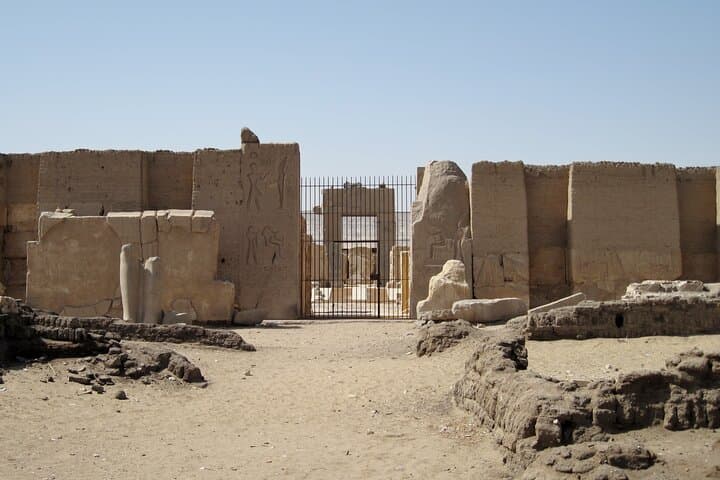
You leave Luxor at first light and the Nile pulls the horizon into a long, sunlit lane. Villages slide past in dusty ribbons; palm trees lean as if pointing the way. By midmorning you stand before the ruins of Abydos, where carved kings and the cool shadow of the Osireion still insist on telling their stories.
Verified experiences and guided adventures in the surrounding area.
Operated by Go Kemet Egypt · Luxor, Luxor Governorate
You leave Luxor at first light and the Nile pulls the horizon into a long, sunlit lane. Villages slide past in dusty ribbons; palm trees lean as if pointing the way. By midmorning you stand before the ruins of Abydos, where carved kings and the cool shadow of the Osireion still insist on telling their stories.
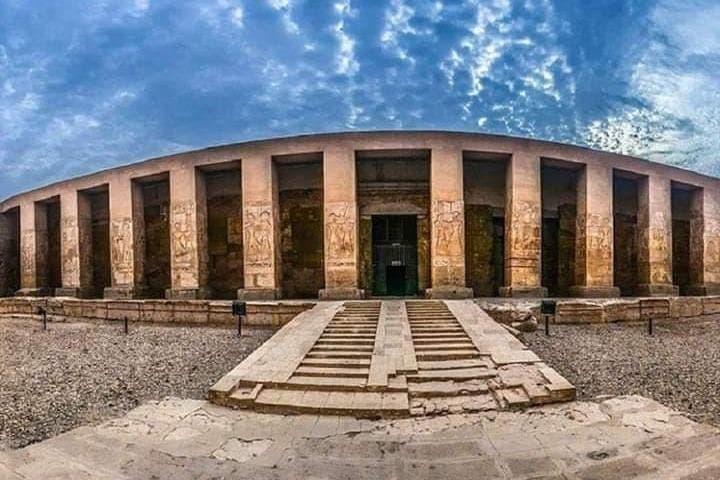
Abydos is one of Egypt’s oldest cult centers — a place tied to Osiris worship and early dynastic burials — and Seti I’s temple preserves some of the clearest relief work of the New Kingdom, including the famed king-list and layered limestone architecture. Later the tour moves to Dendera (Dendara), a late Ptolemaic sanctuary to Hathor whose columns, Hathor-headed capitals, and celestial ceiling images speak to a different royal era and its obsession with astronomy and ritual.
This is an archaeological day trip with cultural texture and steady driving between sites. Expect intact reliefs, low-slung desert geology, and small local markets near the monuments where vendors sell postcards and cold drinks.
Practicalities: the full tour runs about eight hours with hotel pickup (typically early morning). Wear sun protection and modest clothing that covers shoulders and knees; comfortable walking shoes are essential on uneven stone. Bring local currency for optional site fees, tips, and market purchases, and confirm in advance whether entrance tickets are included. Stay hydrated, move slowly through the sun-exposed courtyards, and follow your guide to get the most from the inscriptions and hidden details.
easy.
8 hours.
Suitable for all fitness levels; expect walking on uneven stone and occasional short steps—basic mobility required.
Expect roughly 1.5–2.5 hours of driving each way depending on traffic and which site is visited first; the full tour is about eight hours including stops.
Policies vary—some tours include admission while others don’t; confirm with the operator before you travel and bring cash for tickets if needed.
Yes—this operator notes stroller access and infant seats; however, consider the length of the drive and sun exposure when traveling with very young children.
Photography is generally allowed in the open courtyards; follow guide instructions for restricted zones and avoid flash where signage prohibits it to protect ancient pigments.
Abydos served as a major cult center for Osiris and contains early dynastic burial associations; Dendera’s current temple complex dates largely to the late Ptolemaic and Roman periods and honors Hathor.
The sites face erosion from wind and visitor wear; stick to marked paths, avoid touching reliefs, and support licensed guides and local conservation efforts.
Go Kemet Egypt operates guided outdoor trips and adventures with an emphasis on safety, stewardship, and memorable experiences.
You leave Luxor at first light and the Nile pulls the horizon into a long, sunlit lane. Villages slide past in dusty ribbons; palm trees lean as if pointing the way. By midmorning you stand before the ruins of Abydos, where carved kings and the cool shadow of the Osireion still insist on telling their stories.
You leave Luxor at first light and the Nile pulls the horizon into a long, sunlit lane. Villages slide past in dusty ribbons; palm trees lean as if pointing the way. By midmorning you stand before the ruins of Abydos, where carved kings and the cool shadow of the Osireion still insist on telling their stories.
Abydos is one of Egypt’s oldest cult centers — a place tied to Osiris worship and early dynastic burials — and Seti I’s temple preserves some of the clearest relief work of the New Kingdom, including the famed king-list and layered limestone architecture. Later the tour moves to Dendera (Dendara), a late Ptolemaic sanctuary to Hathor whose columns, Hathor-headed capitals, and celestial ceiling images speak to a different royal era and its obsession with astronomy and ritual.
This is an archaeological day trip with cultural texture and steady driving between sites. Expect intact reliefs, low-slung desert geology, and small local markets near the monuments where vendors sell postcards and cold drinks.
Practicalities: the full tour runs about eight hours with hotel pickup (typically early morning). Wear sun protection and modest clothing that covers shoulders and knees; comfortable walking shoes are essential on uneven stone. Bring local currency for optional site fees, tips, and market purchases, and confirm in advance whether entrance tickets are included. Stay hydrated, move slowly through the sun-exposed courtyards, and follow your guide to get the most from the inscriptions and hidden details.