THE ADVENTURE COLLECTIVE® · Independent discovery and booking for outdoor travel

Fly from Cairo to Luxor for a private, full-day sweep of Karnak, Luxor Temple, Hatshepsut’s mortuary temple and select royal tombs. This guided tour compresses the city’s top archaeological highlights into a curated, comfortable itinerary.
Fly from Cairo to Luxor for a private, full-day sweep of Karnak, Luxor Temple, Hatshepsut’s mortuary temple and select royal tombs. This guided tour compresses the city’s top archaeological highlights into a curated, comfortable itinerary.
You step from the tarmac into a clang of light and heat; the Nile seems to breathe heat back at you, urging the day forward. A private car threads the streets of modern Luxor, then opens onto stone older than many nations. Columns throw cool shadows, and painted reliefs hold the dust of millennia.
Verified experiences and guided adventures in the surrounding area.
Operated by DrMo Tours Egypt · Luxor, Luxor Governorate
You step from the tarmac into a clang of light and heat; the Nile seems to breathe heat back at you, urging the day forward. A private car threads the streets of modern Luxor, then opens onto stone older than many nations. Columns throw cool shadows, and painted reliefs hold the dust of millennia.
This day trip stitches East and West Bank highlights into a single, fast-paced sweep: Karnak’s avenues and Hypostyle Hall, Luxor Temple’s colonnades, the Colossi of Memnon, Hatshepsut’s terraced mortuary temple and a selection of royal tombs in the Valley of the Kings. Geologically, the valley is a dry limestone amphitheater cut against the Nile floodplain; its cliffs conserved tombs that record New Kingdom funerary culture. Culturally, Luxor — ancient Thebes — was the religious heart of Egypt and the stage for pharaonic power and mortuary ritual.
Expect lots of walking on uneven stone, short climbs and exposed sun between sites; archaeology here rewards patience rather than speed. Your private Egyptologist guide will pace visits, explain iconography, and handle ticketing and logistics so you can focus on the carvings and the scale.
Practical notes: bring sun protection, a refillable water bottle, and comfortable shoes with grip for cool interior chambers and open courtyards. Photography rules vary in tombs — follow guide instructions. Flights run early; plan to rest the evening after a twelve-hour day. With planning and a measured pace, one day gives a vivid cross-section of Luxor’s temples and tombs without sacrificing context or comfort.
moderate.
12 hours.
Light to moderate fitness required — able to walk several kilometers over uneven surfaces and climb short stair sections.
A direct domestic flight takes about 1 hour; factor additional airport and transfer time, making the full excursion about 12 hours.
This tour includes entrance fees for the sites listed and domestic flights; confirm whether specific tombs with extra charges are covered in your booking.
Transport and many temple areas are accessible, but some tombs and terraces have steep steps and uneven ground—consult the operator if using a wheelchair.
Yes; extra-ticket tombs at the Valley of the Kings and other sites can often be added, subject to time and site restrictions—ask your guide on the day.
Luxor sits on the site of ancient Thebes, the New Kingdom capital where pharaohs built monumental temples and elaborated funerary architecture.
Visitor impact is managed through timed entries and restricted access to sensitive tombs; support local conservation by following site rules and minimizing plastic waste.
DrMo Tours Egypt operates guided outdoor trips and adventures with an emphasis on safety, stewardship, and memorable experiences.
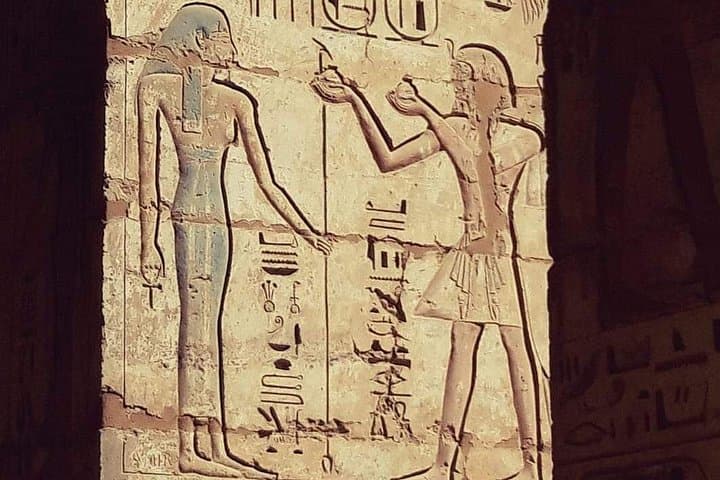
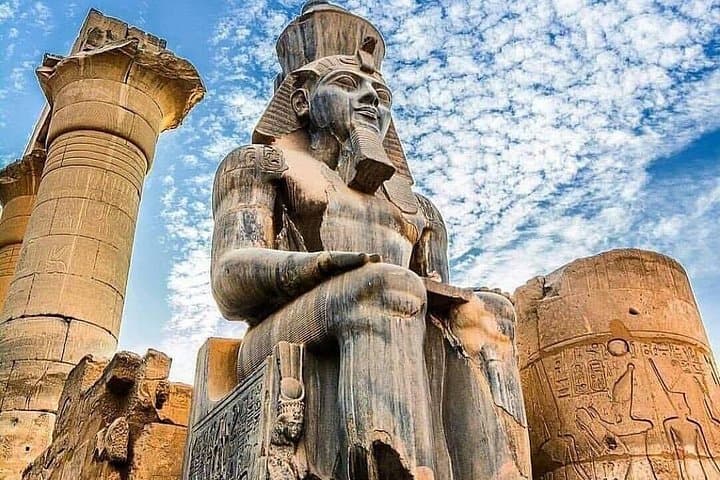
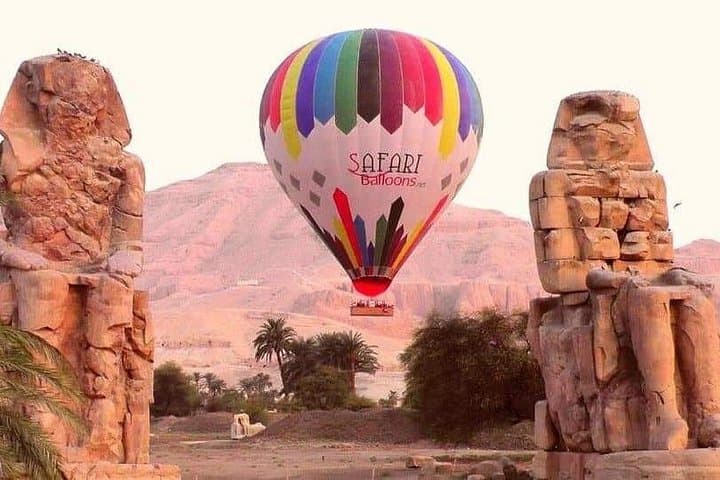
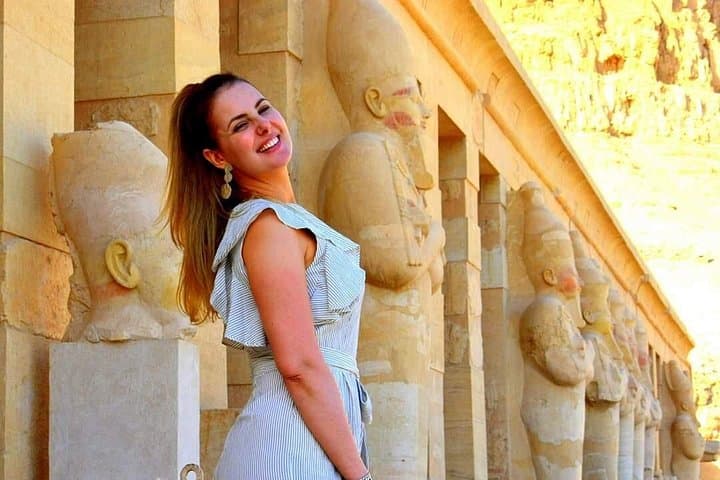
You step from the tarmac into a clang of light and heat; the Nile seems to breathe heat back at you, urging the day forward. A private car threads the streets of modern Luxor, then opens onto stone older than many nations. Columns throw cool shadows, and painted reliefs hold the dust of millennia.
You step from the tarmac into a clang of light and heat; the Nile seems to breathe heat back at you, urging the day forward. A private car threads the streets of modern Luxor, then opens onto stone older than many nations. Columns throw cool shadows, and painted reliefs hold the dust of millennia.
This day trip stitches East and West Bank highlights into a single, fast-paced sweep: Karnak’s avenues and Hypostyle Hall, Luxor Temple’s colonnades, the Colossi of Memnon, Hatshepsut’s terraced mortuary temple and a selection of royal tombs in the Valley of the Kings. Geologically, the valley is a dry limestone amphitheater cut against the Nile floodplain; its cliffs conserved tombs that record New Kingdom funerary culture. Culturally, Luxor — ancient Thebes — was the religious heart of Egypt and the stage for pharaonic power and mortuary ritual.
Expect lots of walking on uneven stone, short climbs and exposed sun between sites; archaeology here rewards patience rather than speed. Your private Egyptologist guide will pace visits, explain iconography, and handle ticketing and logistics so you can focus on the carvings and the scale.
Practical notes: bring sun protection, a refillable water bottle, and comfortable shoes with grip for cool interior chambers and open courtyards. Photography rules vary in tombs — follow guide instructions. Flights run early; plan to rest the evening after a twelve-hour day. With planning and a measured pace, one day gives a vivid cross-section of Luxor’s temples and tombs without sacrificing context or comfort.