THE ADVENTURE COLLECTIVE® · Independent discovery and booking for outdoor travel

A full-day cultural expedition from Hurghada to Luxor and the Dendera Temple Complex. Expect early pickup, long drives, guided tours of Karnak, the Valley of the Kings, Hatshepsut and Dendera, plus a local lunch.
A full-day cultural expedition from Hurghada to Luxor and the Dendera Temple Complex. Expect early pickup, long drives, guided tours of Karnak, the Valley of the Kings, Hatshepsut and Dendera, plus a local lunch.
You step into the tour van before dawn in Hurghada; the Red Sea coast slips away and the desert stretches like a sunbaked page. Hours of flat plains and scrub give way to the green ribbon of the Nile and the shadowed cliffs of the Theban Plateau—an abrupt change that feels like crossing epochs rather than miles.
Verified experiences and guided adventures in the surrounding area.
Operated by Egypt Best Day Tours · Hurghada, Red Sea Governorate
You step into the tour van before dawn in Hurghada; the Red Sea coast slips away and the desert stretches like a sunbaked page. Hours of flat plains and scrub give way to the green ribbon of the Nile and the shadowed cliffs of the Theban Plateau—an abrupt change that feels like crossing epochs rather than miles.
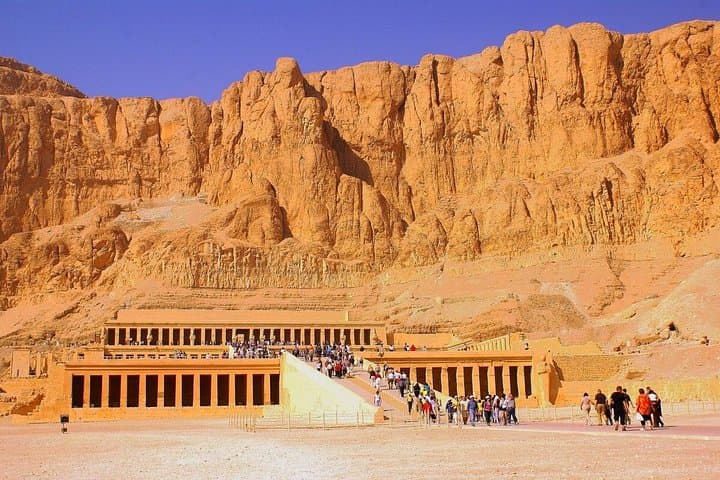
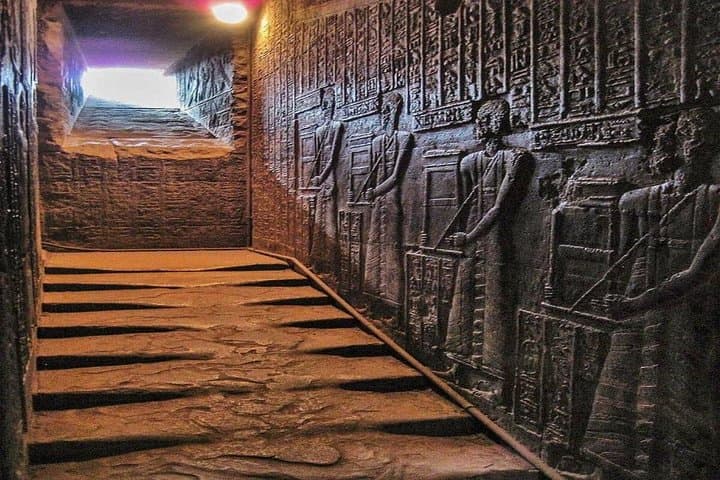
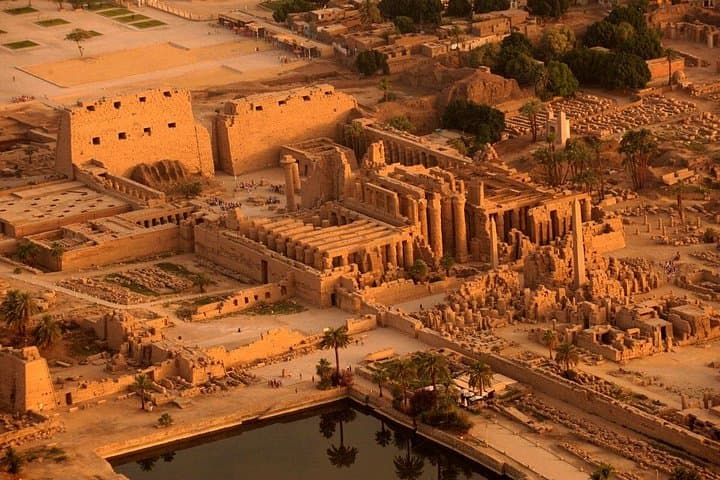
Begin at Dendera, where the Temple of Hathor greets visitors with vivid reliefs and an intact astronomical ceiling that still reads the sky. The stones here are late-period and Ptolemaic in craft, carved with scenes of music, fertility and ritual; the hypostyle halls and crypts reward slow inspection. In Luxor the landscape becomes human-made: the Valley of the Kings cuts into limestone cliffs, the terraced mortuary temple of Hatshepsut steps out of rock, and Karnak’s Hypostyle Hall sprawls with columns larger than most cathedrals.
Geology matters—the soft limestone of the valley preserves tombs but erodes easily, which is why conservation is constant. The culture you'll meet is rooted in river agriculture and temple economies; local guides bring this context alive.
Practical points: it’s a very long day—expect early pickup and late return to Hurghada. Entrance fees for some tombs often aren’t included, so carry passport ID and cash. Wear breathable, modest clothing, sturdy shoes for uneven temple floors, sun protection, and bring water. The tour uses air-conditioned transport and an Egyptologist guide, with lunch provided—ideal for travelers who want concentrated access to Luxor’s major sites in a single, information-rich day.
easy.
12–15 hours.
Suitable for most fitness levels; expect long periods of standing and short walks on uneven, sometimes sandy or stepped terrain.
Expect roughly 3.5–4 hours each way by air-conditioned vehicle, depending on traffic and stops.
Many tours exclude certain entrance fees; be prepared to pay additional fees on site for select tombs and the Mummy Room.
Yes—physically it’s classified as easy, but the long day and walking on uneven surfaces may be tiring; consider mobility and patience for lengthy transfers.
Passport, local currency, sun protection, refillable water bottle, comfortable shoes, and a light layer for morning or air-conditioned vehicles.
Luxor sits on the site of ancient Thebes, a political and religious center through Egypt’s New Kingdom; Dendera’s current temple complex is largely Ptolemaic with Roman additions dedicated to Hathor.
High visitor numbers and fragile limestone require careful foot traffic and no-touch policies; carry out rubbish, avoid flash photography where restricted, and follow guide directions to limit wear on ancient surfaces.
Egypt Best Day Tours operates guided outdoor trips and adventures with an emphasis on safety, stewardship, and memorable experiences.

You step into the tour van before dawn in Hurghada; the Red Sea coast slips away and the desert stretches like a sunbaked page. Hours of flat plains and scrub give way to the green ribbon of the Nile and the shadowed cliffs of the Theban Plateau—an abrupt change that feels like crossing epochs rather than miles.
You step into the tour van before dawn in Hurghada; the Red Sea coast slips away and the desert stretches like a sunbaked page. Hours of flat plains and scrub give way to the green ribbon of the Nile and the shadowed cliffs of the Theban Plateau—an abrupt change that feels like crossing epochs rather than miles.
Begin at Dendera, where the Temple of Hathor greets visitors with vivid reliefs and an intact astronomical ceiling that still reads the sky. The stones here are late-period and Ptolemaic in craft, carved with scenes of music, fertility and ritual; the hypostyle halls and crypts reward slow inspection. In Luxor the landscape becomes human-made: the Valley of the Kings cuts into limestone cliffs, the terraced mortuary temple of Hatshepsut steps out of rock, and Karnak’s Hypostyle Hall sprawls with columns larger than most cathedrals.
Geology matters—the soft limestone of the valley preserves tombs but erodes easily, which is why conservation is constant. The culture you'll meet is rooted in river agriculture and temple economies; local guides bring this context alive.
Practical points: it’s a very long day—expect early pickup and late return to Hurghada. Entrance fees for some tombs often aren’t included, so carry passport ID and cash. Wear breathable, modest clothing, sturdy shoes for uneven temple floors, sun protection, and bring water. The tour uses air-conditioned transport and an Egyptologist guide, with lunch provided—ideal for travelers who want concentrated access to Luxor’s major sites in a single, information-rich day.