THE ADVENTURE COLLECTIVE® · Independent discovery and booking for outdoor travel

A full-day cultural drive from Hurghada to Luxor that pairs Karnak’s monumental columns with the subterranean mysteries of the Valley of the Kings and the terraces of Hatshepsut. Practical logistics, site notes, and what to pack for a long, sunlit day of archaeology.
A full-day cultural drive from Hurghada to Luxor that pairs Karnak’s monumental columns with the subterranean mysteries of the Valley of the Kings and the terraces of Hatshepsut. Practical logistics, site notes, and what to pack for a long, sunlit day of archaeology.
You arrive at dawn on the Nile’s west bank with the desert heat still folding back from the road. The day tour from Hurghada drops you into a landscape where stone and sand keep time—colossal columns rising like a deliberately placed forest, tomb passageways carved beneath a low, bleached sky, and terraces of white limestone that once announced a queen’s power.
Verified experiences and guided adventures in the surrounding area.
Operated by ZExcursion · Luxor, Luxor Governorate
You arrive at dawn on the Nile’s west bank with the desert heat still folding back from the road. The day tour from Hurghada drops you into a landscape where stone and sand keep time—colossal columns rising like a deliberately placed forest, tomb passageways carved beneath a low, bleached sky, and terraces of white limestone that once announced a queen’s power.
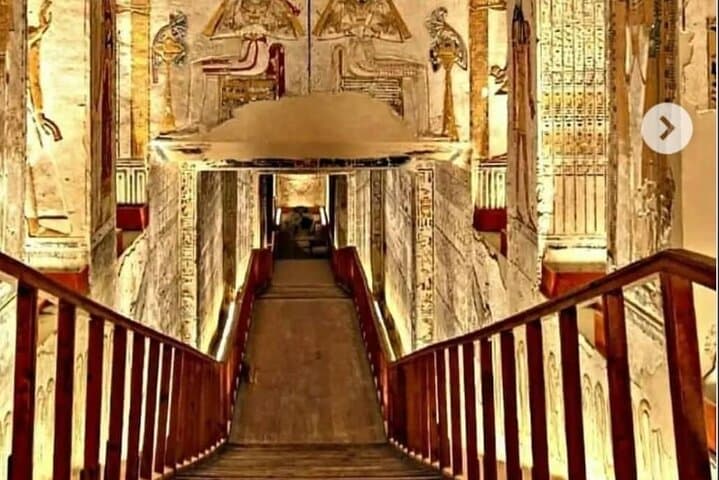
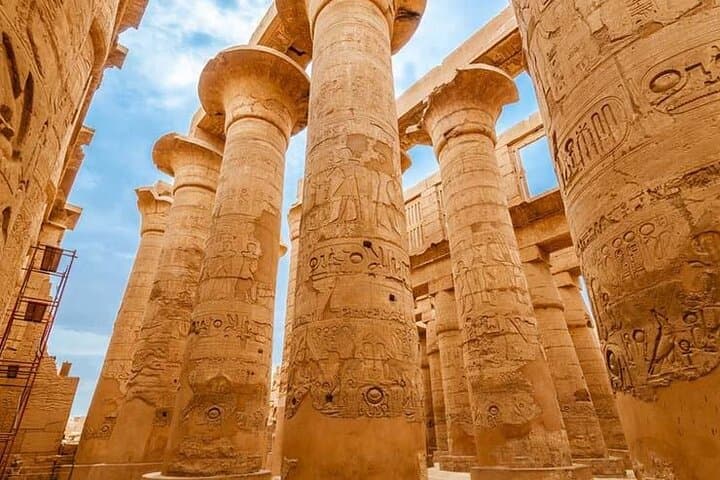
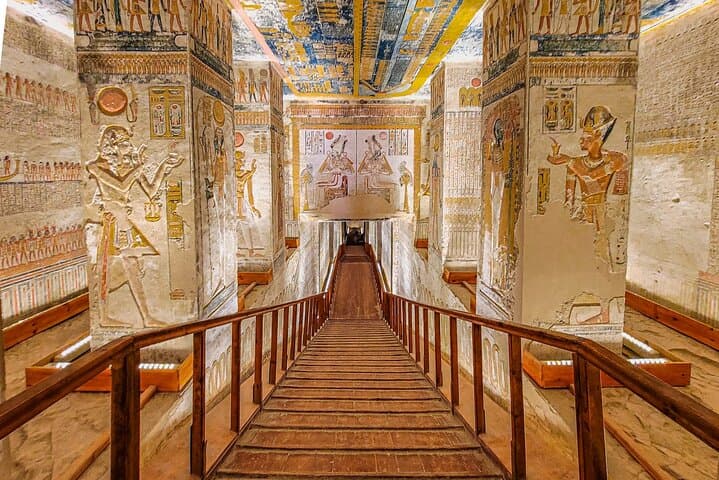
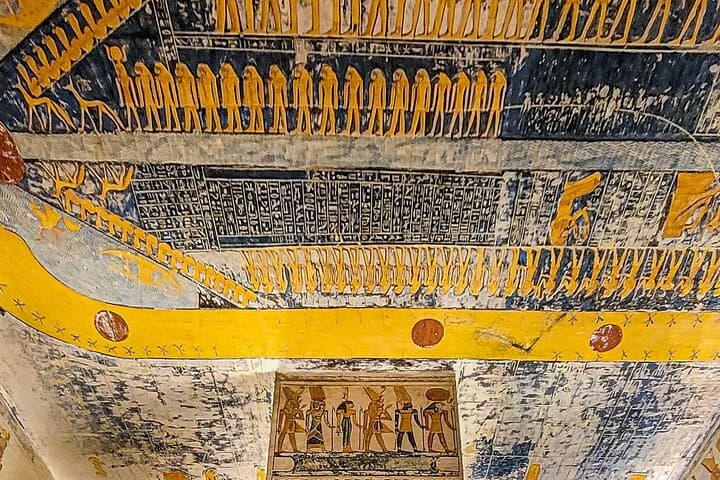
Karnak’s hypostyle hall opens first: rows of papyrus-capital columns that accumulated centuries of offerings and inscriptions. The guide explains pharaonic layering—how rulers kept building on older foundations—while you walk between shadowed aisles and open courts. Across the river, the Valley of the Kings compacts New Kingdom power into painted chambers and tight corridors; expect to step down into cooler, dust-dry tombs (note: some high-profile tombs require separate tickets). Hatshepsut’s mortuary temple cuts a geometric profile from the cliff, its terraces and colonnades revealing an audacious female rulership.
Practicalities govern the rhythm: a roughly 5–6 hour scheduled window on site with an overall round trip of several hours by air-conditioned coach from Hurghada (road distance ≈ 280–300 km; drive time ~3.5–4 hours each way). Lunch is included, and the tour provides bottled water. Wear sturdy shoes for uneven rock and packed sand, bring sun protection and your passport for admissions. If you’re sensitive to heat, plan an early start and conserve energy between sites—these monuments reward patient walking and close attention to carved detail more than speed.
easy.
5–6 hours (on-site portions 3–4 hours).
Minimal aerobic fitness required but be prepared for walking on uneven ground and short stair sections; comfortable for most travelers.
The road distance is approximately 280–300 km; expect about 3.5–4 hours each way by air-conditioned vehicle depending on traffic and stops.
No—access to Tutankhamun’s tomb is often sold separately at the Valley of the Kings and is not included in the standard tour admissions.
Some areas and viewpoints are accessible by vehicle, but many tombs and temple courts have steps, uneven surfaces, and low passageways that limit full accessibility.
This tour typically provides an Egyptologist or local guide speaking major guest languages—confirm your preferred language at booking.
Luxor sits on the site of ancient Thebes; Karnak grew over centuries as pharaohs added pylons and sanctuaries, while the Valley of the Kings concentrated royal burials during the New Kingdom (c. 1550–1070 BCE).
High visitor numbers strain fragile painted surfaces and tomb microclimates—follow photography rules, avoid touching reliefs, and respect restricted areas to help preserve the sites.
ZExcursion operates guided outdoor trips and adventures with an emphasis on safety, stewardship, and memorable experiences.
You arrive at dawn on the Nile’s west bank with the desert heat still folding back from the road. The day tour from Hurghada drops you into a landscape where stone and sand keep time—colossal columns rising like a deliberately placed forest, tomb passageways carved beneath a low, bleached sky, and terraces of white limestone that once announced a queen’s power.
You arrive at dawn on the Nile’s west bank with the desert heat still folding back from the road. The day tour from Hurghada drops you into a landscape where stone and sand keep time—colossal columns rising like a deliberately placed forest, tomb passageways carved beneath a low, bleached sky, and terraces of white limestone that once announced a queen’s power.
Karnak’s hypostyle hall opens first: rows of papyrus-capital columns that accumulated centuries of offerings and inscriptions. The guide explains pharaonic layering—how rulers kept building on older foundations—while you walk between shadowed aisles and open courts. Across the river, the Valley of the Kings compacts New Kingdom power into painted chambers and tight corridors; expect to step down into cooler, dust-dry tombs (note: some high-profile tombs require separate tickets). Hatshepsut’s mortuary temple cuts a geometric profile from the cliff, its terraces and colonnades revealing an audacious female rulership.
Practicalities govern the rhythm: a roughly 5–6 hour scheduled window on site with an overall round trip of several hours by air-conditioned coach from Hurghada (road distance ≈ 280–300 km; drive time ~3.5–4 hours each way). Lunch is included, and the tour provides bottled water. Wear sturdy shoes for uneven rock and packed sand, bring sun protection and your passport for admissions. If you’re sensitive to heat, plan an early start and conserve energy between sites—these monuments reward patient walking and close attention to carved detail more than speed.