THE ADVENTURE COLLECTIVE® · Independent discovery and booking for outdoor travel

Fly from Cairo to Luxor for a compact, private full-day tour of the Valley of the Kings, Hatshepsut’s temple, the Colossi of Memnon and Karnak. Expect long walking days, high sun, and a deep dive into New Kingdom Egypt.
Fly from Cairo to Luxor for a compact, private full-day tour of the Valley of the Kings, Hatshepsut’s temple, the Colossi of Memnon and Karnak. Expect long walking days, high sun, and a deep dive into New Kingdom Egypt.
You leave Cairo before dawn, the city shrinking as the plane pushes north over the Nile; by mid-morning the light hits ochre cliffs and the river dares you to cross its banks into ancient Thebes.
Verified experiences and guided adventures in the surrounding area.
Operated by Book My Egypt Tours · Luxor, Luxor Governorate
You leave Cairo before dawn, the city shrinking as the plane pushes north over the Nile; by mid-morning the light hits ochre cliffs and the river dares you to cross its banks into ancient Thebes.
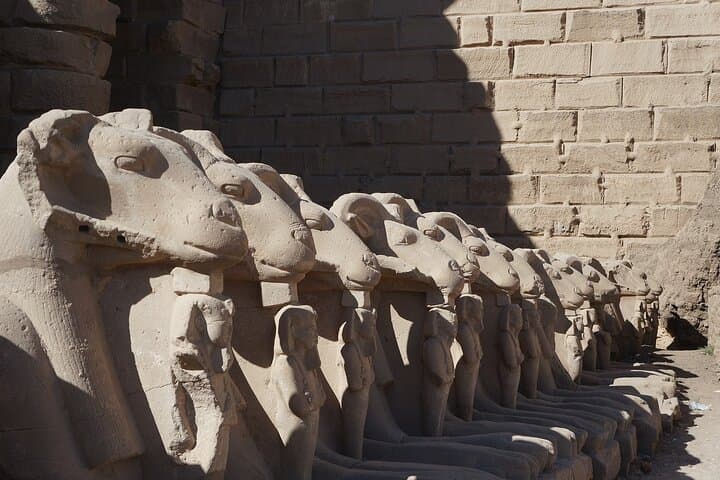
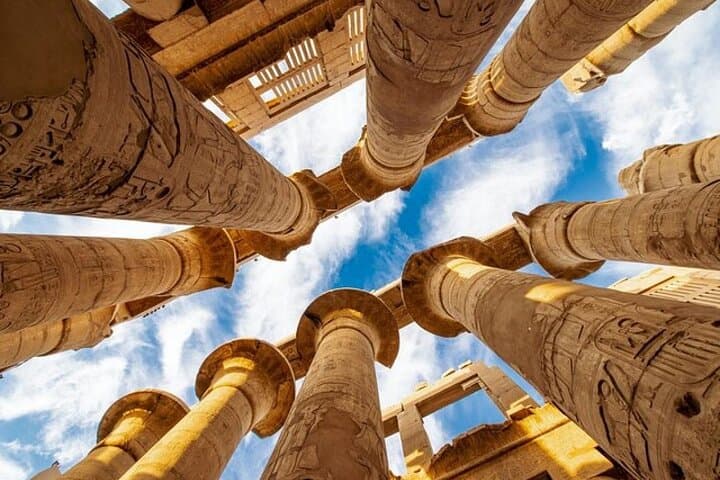
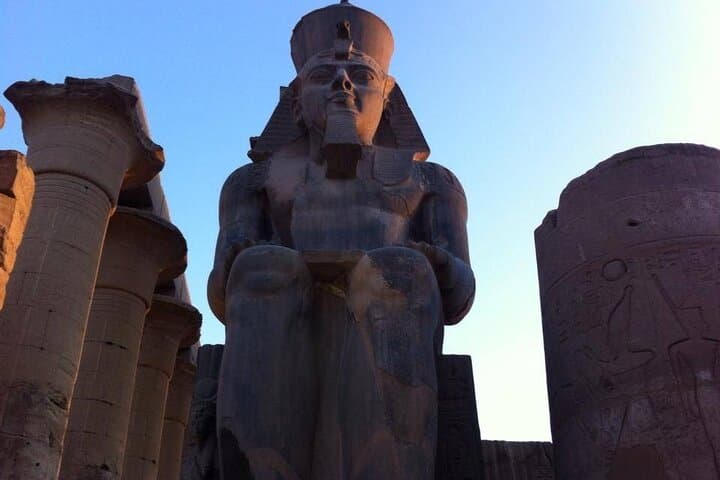
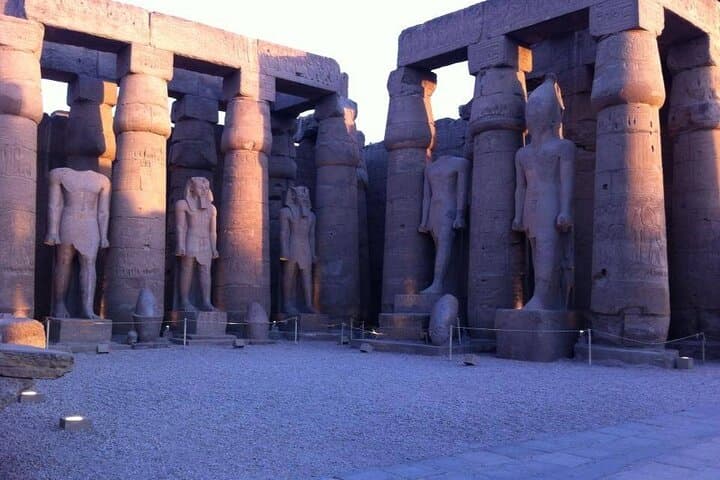
This full-day private tour centers on Luxor’s west and east banks: the Valley of the Kings (home to more than 60 tombs from Egypt’s New Kingdom), the terraced Mortuary Temple of Hatshepsut, the two 18‑meter Colossi of Memnon, and the sprawling Karnak complex. Geology here is visible history — banded limestone cliffs, wind-polished escarpments and a narrow floodplain that made the west bank an appropriate funerary landscape for pharaohs.
Culturally, the sites trace millennia: Middle Kingdom foundations, New Kingdom expansions, Roman graffiti on stone blocks and the annual Opet procession route that once linked Karnak with Luxor Temple about 3 km downstream. Local guides read hieroglyphs into human stories and point out details a casual walk can miss.
Practical guidance: expect a long day (roughly 12 hours including flights and transfers), uneven tomb interiors, and exposed sun on open temple courtyards. Start early to avoid heat and crowds; wear sturdy shoes for steps and slip-resistant surfaces inside tombs. Hydrate frequently — bottled water is provided but carry a refillable bottle for the day.
Timing matters: flights from Cairo to Luxor are about one hour; plan on several short walks and stair sections at each site. Respect photography rules in tombs and be prepared for security checkpoints. The tour packs deep history into a single, intense day—efficient, immersive and physically moderate for most travelers.
easy.
12 hours.
Suitable for travelers in basic walking shape; ability to handle stairs, short hikes and several hours on foot.
Domestic flights are about one hour each way; the full tour runs roughly 12 hours including transfers and site visits.
Some tour options include entrance fees; confirm at booking since certain tombs or optional sites may require extra tickets.
Yes — the itinerary is physically moderate, but expect stairs and some uneven surfaces; those with serious mobility issues should check accessibility in advance.
Photography rules vary by tomb; flash and tripods are often restricted to protect wall paintings — follow site signage and your guide’s instructions.
Luxor occupies the site of ancient Thebes, the New Kingdom religious and political capital; many extant monuments were enlarged between c.1550–1069 BCE.
Visitor numbers and heat accelerate wear on painted surfaces and tomb interiors; follow guidelines, avoid flash photography where prohibited, and stick to marked paths to reduce erosion.
Book My Egypt Tours operates guided outdoor trips and adventures with an emphasis on safety, stewardship, and memorable experiences.
You leave Cairo before dawn, the city shrinking as the plane pushes north over the Nile; by mid-morning the light hits ochre cliffs and the river dares you to cross its banks into ancient Thebes.
You leave Cairo before dawn, the city shrinking as the plane pushes north over the Nile; by mid-morning the light hits ochre cliffs and the river dares you to cross its banks into ancient Thebes.
This full-day private tour centers on Luxor’s west and east banks: the Valley of the Kings (home to more than 60 tombs from Egypt’s New Kingdom), the terraced Mortuary Temple of Hatshepsut, the two 18‑meter Colossi of Memnon, and the sprawling Karnak complex. Geology here is visible history — banded limestone cliffs, wind-polished escarpments and a narrow floodplain that made the west bank an appropriate funerary landscape for pharaohs.
Culturally, the sites trace millennia: Middle Kingdom foundations, New Kingdom expansions, Roman graffiti on stone blocks and the annual Opet procession route that once linked Karnak with Luxor Temple about 3 km downstream. Local guides read hieroglyphs into human stories and point out details a casual walk can miss.
Practical guidance: expect a long day (roughly 12 hours including flights and transfers), uneven tomb interiors, and exposed sun on open temple courtyards. Start early to avoid heat and crowds; wear sturdy shoes for steps and slip-resistant surfaces inside tombs. Hydrate frequently — bottled water is provided but carry a refillable bottle for the day.
Timing matters: flights from Cairo to Luxor are about one hour; plan on several short walks and stair sections at each site. Respect photography rules in tombs and be prepared for security checkpoints. The tour packs deep history into a single, intense day—efficient, immersive and physically moderate for most travelers.