THE ADVENTURE COLLECTIVE® · Independent discovery and booking for outdoor travel

Spend a day beyond Luxor’s temples to meet farmers, taste homemade cheese and ride a donkey along irrigation canals. This full-day countryside tour offers intimate cultural encounters and hands-on glimpses into traditional Upper Egyptian life.
Spend a day beyond Luxor’s temples to meet farmers, taste homemade cheese and ride a donkey along irrigation canals. This full-day countryside tour offers intimate cultural encounters and hands-on glimpses into traditional Upper Egyptian life.
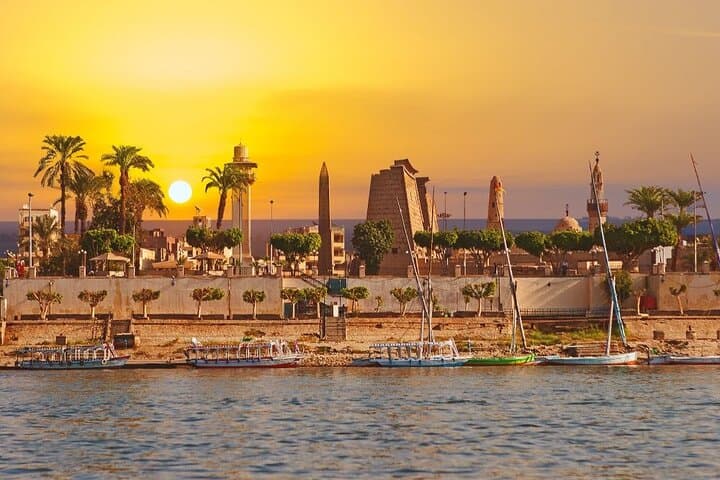
Morning light slices across the Nile plain as a small public car pulls away from Luxor, the city’s temples shrinking behind you and farm fields widening to meet the desert edge.
Verified experiences and guided adventures in the surrounding area.
Operated by Here Egypt Tours · Luxor, Luxor Governorate
Morning light slices across the Nile plain as a small public car pulls away from Luxor, the city’s temples shrinking behind you and farm fields widening to meet the desert edge.
This day-long village tour drops you into the working rhythms of Upper Egypt: farmers guiding irrigation canals, women in galabiyas stirring cheese curds, and donkeys navigating soft tracks between market patches and date palms. The fertile alluvial soil here is the result of millennia of Nile silt; limestone ridges rise like quiet walls where the valley narrows.
Historically this landscape has been shaped by flood and irrigation — ancient methods still inform modern practice — and the cultural cadence is plainspoken hospitality: invites to drink mint tea, demonstrations of hand tools, and the chance to wear a galabia and move with local custom.
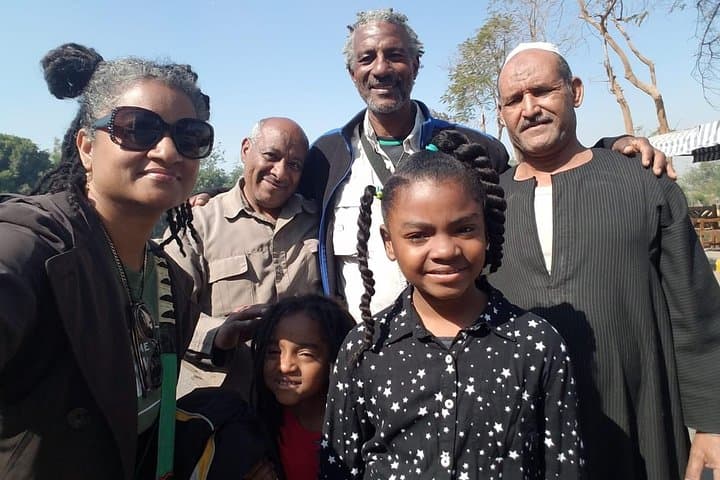
Expect sensory, hands-on moments rather than staged exhibits. Walk narrow canal paths used for flood irrigation, visit a small family cheese-making shed, and meet farmers who explain crop cycles and animal care. Photographic opportunities are abundant but require tact: ask before shooting people.
Practical guidance: the full excursion runs about 8–10 hours with hotel pick-up and return; wear closed-toe shoes for uneven mud and stable footing, sun protection and a light long-sleeve shirt, and carry small-change cash for gifts or tips. Public-car transfers mean some bumpy stretches — keep motion-sickness meds handy.
This is an accessible, culturally immersive day that favors curiosity and respect. Move slowly, listen more than speak, and the village will reveal the province’s everyday ways in vivid, unfiltered detail.
easy.
8–10 hours.
Suitable for most fitness levels; requires mobility for short walks on uneven terrain and climbing on/off low vehicles.
The tour lasts about 8–10 hours and includes door-to-door pickup and drop-off from hotels in Luxor.
A typical Egyptian meal and bottled water are included; soft and hot drinks are often served with hosts.
Yes — the tour is rated easy; however, expect some walking and uneven surfaces, so mobility considerations apply.
Yes, short donkey rides are usually available and small farms with cows, goats and lambs can be visited—follow guides’ safety instructions.
The Nile’s annual inundation historically defined agriculture here; many irrigation techniques used locally trace back to pharaonic and medieval management of floodwaters.
Water use is a sensitive local issue—travelers should avoid wasting water, dispose of waste properly, and support small vendors rather than single-use plastics.
Here Egypt Tours operates guided outdoor trips and adventures with an emphasis on safety, stewardship, and memorable experiences.
Morning light slices across the Nile plain as a small public car pulls away from Luxor, the city’s temples shrinking behind you and farm fields widening to meet the desert edge.
Morning light slices across the Nile plain as a small public car pulls away from Luxor, the city’s temples shrinking behind you and farm fields widening to meet the desert edge.
This day-long village tour drops you into the working rhythms of Upper Egypt: farmers guiding irrigation canals, women in galabiyas stirring cheese curds, and donkeys navigating soft tracks between market patches and date palms. The fertile alluvial soil here is the result of millennia of Nile silt; limestone ridges rise like quiet walls where the valley narrows.
Historically this landscape has been shaped by flood and irrigation — ancient methods still inform modern practice — and the cultural cadence is plainspoken hospitality: invites to drink mint tea, demonstrations of hand tools, and the chance to wear a galabia and move with local custom.
Expect sensory, hands-on moments rather than staged exhibits. Walk narrow canal paths used for flood irrigation, visit a small family cheese-making shed, and meet farmers who explain crop cycles and animal care. Photographic opportunities are abundant but require tact: ask before shooting people.
Practical guidance: the full excursion runs about 8–10 hours with hotel pick-up and return; wear closed-toe shoes for uneven mud and stable footing, sun protection and a light long-sleeve shirt, and carry small-change cash for gifts or tips. Public-car transfers mean some bumpy stretches — keep motion-sickness meds handy.
This is an accessible, culturally immersive day that favors curiosity and respect. Move slowly, listen more than speak, and the village will reveal the province’s everyday ways in vivid, unfiltered detail.