THE ADVENTURE COLLECTIVE® · Independent discovery and booking for outdoor travel

Step off the tourist trail and into a working Nile Valley farm for a hands-on bread-making and cooking class. Spend a relaxed day learning traditional techniques, sharing a farm-to-table lunch, and exploring rural life outside Luxor.
Step off the tourist trail and into a working Nile Valley farm for a hands-on bread-making and cooking class. Spend a relaxed day learning traditional techniques, sharing a farm-to-table lunch, and exploring rural life outside Luxor.
The morning air outside Luxor is sharp with dust and river scent as an air-conditioned shuttle slips off the main road and onto a narrow farm track. Palm fronds brush the windshield, and the city’s heat gives way to shaded courtyards where hens pace and clay ovens glow.
Verified experiences and guided adventures in the surrounding area.
Operated by Luxor Best Tours · Luxor, Luxor Governorate
The morning air outside Luxor is sharp with dust and river scent as an air-conditioned shuttle slips off the main road and onto a narrow farm track. Palm fronds brush the windshield, and the city’s heat gives way to shaded courtyards where hens pace and clay ovens glow.
This six-hour, hands-on visit introduces travelers to Nile Valley farming traditions that stretch back to Pharaonic irrigation practices. The farm sits on alluvial soils fed by ancient canals; you'll learn about seasonal planting, local vegetables, and the role of small-scale families in regional food culture. Bread-making focuses on aish-style flatbreads and simple leavened loaves shaped by hand and baked on hot stones or in a clay oven, while the cooking class highlights staples—fava beans, fresh herbs, and tomato-based stews—prepared with techniques passed between generations.
Hosts share stories about daily rhythms: dawn milking, midday markets, and communal meals. Expect slow, deliberate instruction rather than a theatrical demonstration—this is participatory and domestic, not a cooking-station spectacle.
Practical guidance: arrive hydrated and modestly dressed (shoulders and knees covered) to respect local customs. Wear closed-toe shoes for uneven farm surfaces and bring sunscreen and a refillable water bottle; most of the work happens outdoors or in open-air kitchens. The tour includes lunch made from what you helped prepare and returns to town mid-afternoon, leaving time for an evening in Luxor to explore the corniche or the temple-lit riverbank.
easy.
6 hours.
Suitable for travelers of average mobility; no strenuous hiking or heavy lifting required
The experience runs about six hours and includes hotel pickup/drop-off, the bread-making and cooking sessions, and a farm-to-table lunch.
Yes—it's family-friendly and listed as physically easy; infants may need to sit on laps during transport.
Inform the operator when booking so hosts can adjust recipes; options may be limited by local ingredient availability.
Most hosts speak basic tourist languages; translation or simple demonstrations are commonly used and the experience is hands-on.
Farming around Luxor follows irrigation patterns developed over millennia; the Nile’s annual cycles underpinned ancient Thebes and the region’s continuous agricultural traditions.
Water use and soil management are sensitive topics in the Nile Valley—visit operators who practice low-impact farming and avoid plastic waste to support sustainable rural tourism.
Luxor Best Tours operates guided outdoor trips and adventures with an emphasis on safety, stewardship, and memorable experiences.
The morning air outside Luxor is sharp with dust and river scent as an air-conditioned shuttle slips off the main road and onto a narrow farm track. Palm fronds brush the windshield, and the city’s heat gives way to shaded courtyards where hens pace and clay ovens glow.
The morning air outside Luxor is sharp with dust and river scent as an air-conditioned shuttle slips off the main road and onto a narrow farm track. Palm fronds brush the windshield, and the city’s heat gives way to shaded courtyards where hens pace and clay ovens glow.
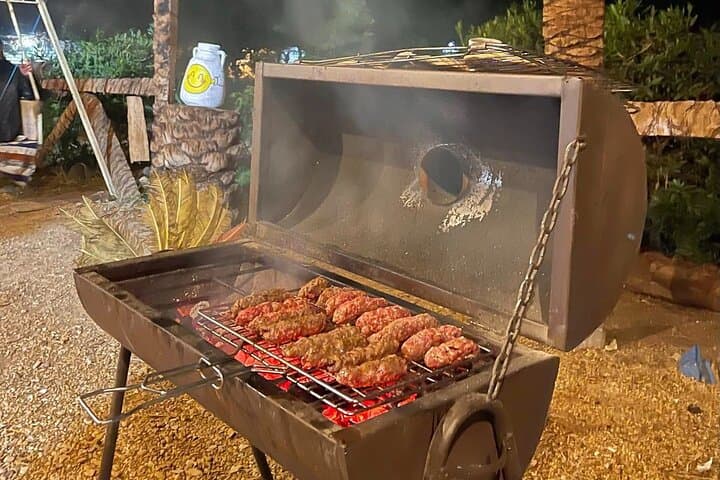
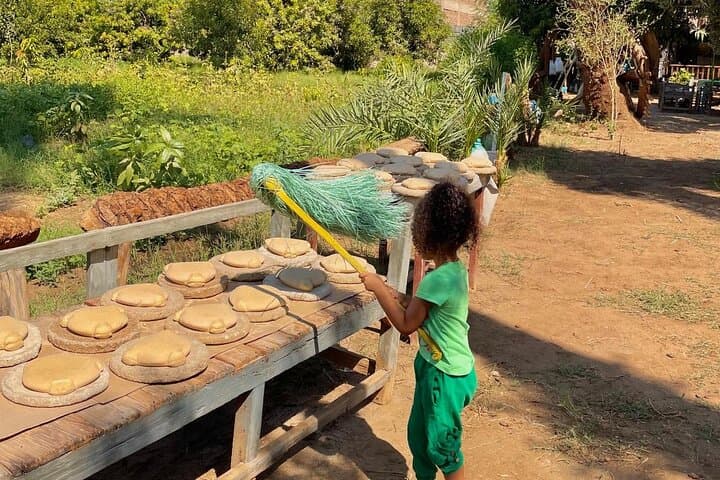
This six-hour, hands-on visit introduces travelers to Nile Valley farming traditions that stretch back to Pharaonic irrigation practices. The farm sits on alluvial soils fed by ancient canals; you'll learn about seasonal planting, local vegetables, and the role of small-scale families in regional food culture. Bread-making focuses on aish-style flatbreads and simple leavened loaves shaped by hand and baked on hot stones or in a clay oven, while the cooking class highlights staples—fava beans, fresh herbs, and tomato-based stews—prepared with techniques passed between generations.
Hosts share stories about daily rhythms: dawn milking, midday markets, and communal meals. Expect slow, deliberate instruction rather than a theatrical demonstration—this is participatory and domestic, not a cooking-station spectacle.
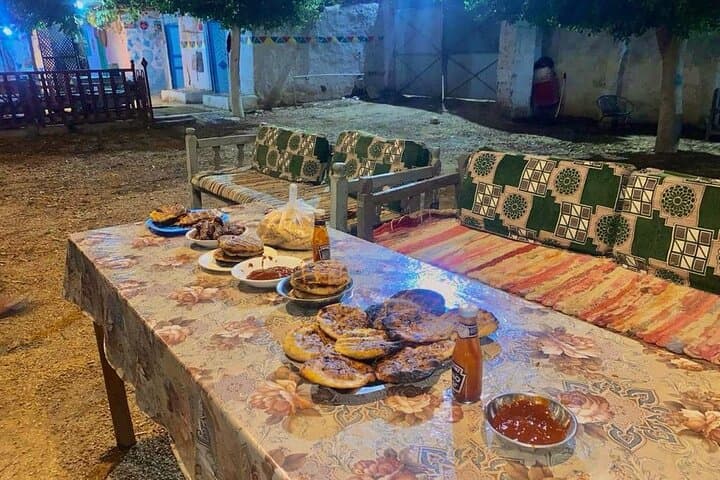
Practical guidance: arrive hydrated and modestly dressed (shoulders and knees covered) to respect local customs. Wear closed-toe shoes for uneven farm surfaces and bring sunscreen and a refillable water bottle; most of the work happens outdoors or in open-air kitchens. The tour includes lunch made from what you helped prepare and returns to town mid-afternoon, leaving time for an evening in Luxor to explore the corniche or the temple-lit riverbank.