THE ADVENTURE COLLECTIVE® · Independent discovery and booking for outdoor travel

A focused, two-hour private walk through Luxor’s artisanal shops where alabaster carvers, papyrus makers, and perfumers demonstrate centuries-old techniques. Perfect for travelers wanting hands-on insight into local craft and practical shopping tips.
A focused, two-hour private walk through Luxor’s artisanal shops where alabaster carvers, papyrus makers, and perfumers demonstrate centuries-old techniques. Perfect for travelers wanting hands-on insight into local craft and practical shopping tips.
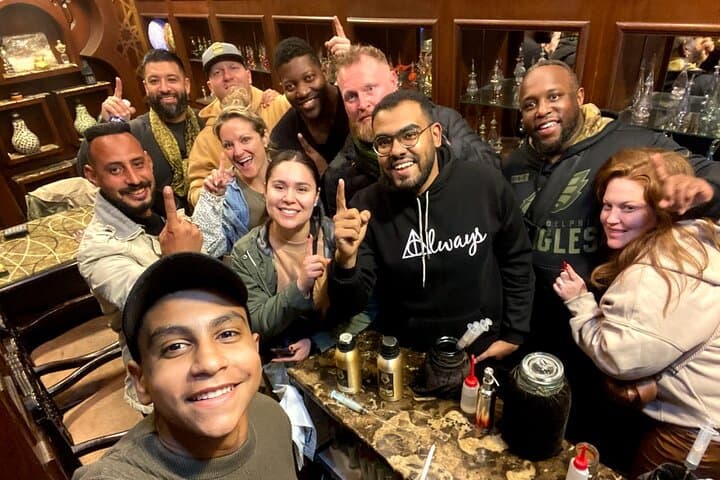
Early light spills across the Nile and the market wakes like a breathing thing: alabaster dust on wooden benches, the papyrus stack-scent of drying fibers, and anise-and-rose perfumes teasing the air. This two-hour private tour moves at a deliberate urban pace — not a rushed bazaar crawl but a guided passage through living crafts still practiced where ancient Thebes once stood.
Verified experiences and guided adventures in the surrounding area.
Operated by Luxor Booking Tours · Luxor, Luxor Governorate
Early light spills across the Nile and the market wakes like a breathing thing: alabaster dust on wooden benches, the papyrus stack-scent of drying fibers, and anise-and-rose perfumes teasing the air. This two-hour private tour moves at a deliberate urban pace — not a rushed bazaar crawl but a guided passage through living crafts still practiced where ancient Thebes once stood.
Luxor’s craft traditions draw on millennia: alabaster quarried from nearby deposits becomes carved vases and figurines, while papyrus—made from the Nile reed—recalls the city’s role in writing and administration. Oriental perfumery here blends floral absolutes and medicinals in small copper stills; scents carry cultural meaning as well as commercial value. The tour threads both modern commerce and long local technique, visiting family-run workshops rather than factory lines.
Practical notes follow the narrative: pickups are usually by air-conditioned vehicle and the route is flat and wheelchair-accessible, so mobility isn’t a barrier. Expect demonstrations, not formal museum talks — artisans will show tools and process, and you’ll have opportunities to buy handcrafted goods like carpets, jewelry, and oils.
Bring cash in Egyptian pounds for smaller purchases, allow time for bargaining, and plan this early in the day to avoid heat and crowds. Respect photo requests and provenance: ask about materials and avoid anything that could be an illicit antiquity. With simple preparation this private bazaar tour offers a compact, sensory window into Luxor’s craft life — a practical, memorable stop for travelers who want to take a piece of local skill home.
easy.
2 hours.
Suitable for all fitness levels; mostly standing and short indoor/outdoor walks.
Yes — the tour commonly includes private hotel pickup and return by an air-conditioned vehicle; confirm your pickup point when booking.
Often yes, but always ask the artisan first; some may allow photos of process but not of finished inventory or people.
Refund policies vary by vendor; request receipts and ask about exchange or return terms before buying larger items like carpets or jewelry.
Yes — the itinerary notes stroller and wheelchair accessibility, but space inside small workshops may be tight; check with the operator for special requirements.
Luxor sits on the site of ancient Thebes; craft traditions such as stone carving and reed-based papyrus making have persisted in the region for centuries.
Favor ethically sourced materials and registered workshops; avoid buying items that could be illegal antiquities and support vendors using sustainable production methods.
Luxor Booking Tours operates guided outdoor trips and adventures with an emphasis on safety, stewardship, and memorable experiences.

Early light spills across the Nile and the market wakes like a breathing thing: alabaster dust on wooden benches, the papyrus stack-scent of drying fibers, and anise-and-rose perfumes teasing the air. This two-hour private tour moves at a deliberate urban pace — not a rushed bazaar crawl but a guided passage through living crafts still practiced where ancient Thebes once stood.
Early light spills across the Nile and the market wakes like a breathing thing: alabaster dust on wooden benches, the papyrus stack-scent of drying fibers, and anise-and-rose perfumes teasing the air. This two-hour private tour moves at a deliberate urban pace — not a rushed bazaar crawl but a guided passage through living crafts still practiced where ancient Thebes once stood.
Luxor’s craft traditions draw on millennia: alabaster quarried from nearby deposits becomes carved vases and figurines, while papyrus—made from the Nile reed—recalls the city’s role in writing and administration. Oriental perfumery here blends floral absolutes and medicinals in small copper stills; scents carry cultural meaning as well as commercial value. The tour threads both modern commerce and long local technique, visiting family-run workshops rather than factory lines.
Practical notes follow the narrative: pickups are usually by air-conditioned vehicle and the route is flat and wheelchair-accessible, so mobility isn’t a barrier. Expect demonstrations, not formal museum talks — artisans will show tools and process, and you’ll have opportunities to buy handcrafted goods like carpets, jewelry, and oils.
Bring cash in Egyptian pounds for smaller purchases, allow time for bargaining, and plan this early in the day to avoid heat and crowds. Respect photo requests and provenance: ask about materials and avoid anything that could be an illicit antiquity. With simple preparation this private bazaar tour offers a compact, sensory window into Luxor’s craft life — a practical, memorable stop for travelers who want to take a piece of local skill home.