THE ADVENTURE COLLECTIVE® · Independent discovery and booking for outdoor travel

Float between Aswan and Luxor on a four-day Nile cruise that pairs onboard comfort with guided visits to Abu Simbel, Kom Ombo, Edfu, Karnak and the Valley of the Kings — capped by a sunrise hot-air balloon over Luxor’s West Bank.
Float between Aswan and Luxor on a four-day Nile cruise that pairs onboard comfort with guided visits to Abu Simbel, Kom Ombo, Edfu, Karnak and the Valley of the Kings — capped by a sunrise hot-air balloon over Luxor’s West Bank.
You step off the tender into warm Aswan light; the Nile slides past like a living road, palm groves nodding as the cruise lines up for departure. Onboard, teak decks and a small pool punctuate the slow rhythm—mornings are for temples, evenings for teak-and-tea conversations as the river dares you to slow down.
Verified experiences and guided adventures in the surrounding area.
Operated by Journey To Egypt · Luxor, Luxor Governorate
You step off the tender into warm Aswan light; the Nile slides past like a living road, palm groves nodding as the cruise lines up for departure. Onboard, teak decks and a small pool punctuate the slow rhythm—mornings are for temples, evenings for teak-and-tea conversations as the river dares you to slow down.
This four-day route threads Egypt’s classical era: Philae’s cult of Isis, the relocated marvels of Abu Simbel, Kom Ombo’s crocodile shrines, Edfu’s Temple of Horus, and Luxor’s vast Karnak complex and Valley of the Kings. Geologically the Nile valley is a ribbon of fertile alluvium split by granite outcrops at Aswan; culturally it’s where millennia of royal burial practice and Nile-side agriculture converge.
Expect guided walks across carved stone, narrow temple passages, and stairs cut into cliff faces. Sunrise balloon flights over Luxor’s West Bank give a bird’s-eye ledger of tombs and fields—an aerial counterpoint to the intimate scale of hypostyle halls. Locals still fish and farm along the banks; small feluccas slip past cruise liners like ideas refusing to be silenced.
Practical guidance: travel light for temple visits (no large bags), wear breathable sun protection and closed shoes for uneven steps, and carry physical passport copies for site entries. Hydrate—Egypt’s heat intensifies midday—time major excursions for early morning or late afternoon. Bring cash in small denominations for tips and site fees that aren’t included. With modest mobility needs and basic walking stamina, this itinerary balances iconic archaeology with the steady, unhurried pulse of the Nile.
easy.
4 days.
Light walking required: able to handle stairs and short uneven surfaces for 30–90 minute site visits.
Most nationalities require a visa; check entry requirements before travel and arrange an e-visa or visa on arrival where applicable.
Balloon flights follow local safety protocols and are included as a confirmed activity; pregnant travelers and those with serious heart conditions should avoid it.
This tour includes guided excursions but some site entrance fees or special tomb access (e.g., Tutankhamun) may be extra—confirm with your operator.
Daily walking is moderate: expect short guided walks of 30–120 minutes at multiple sites with some stairs and uneven surfaces.
The route follows millennia of pharaonic activity; Abu Simbel was famously relocated in the 1960s to protect it from the Aswan High Dam reservoir.
High visitor numbers stress fragile temple surfaces and the Nile’s ecology; favor responsible operators, avoid touching reliefs, and minimize single-use plastics.
Journey To Egypt operates guided outdoor trips and adventures with an emphasis on safety, stewardship, and memorable experiences.

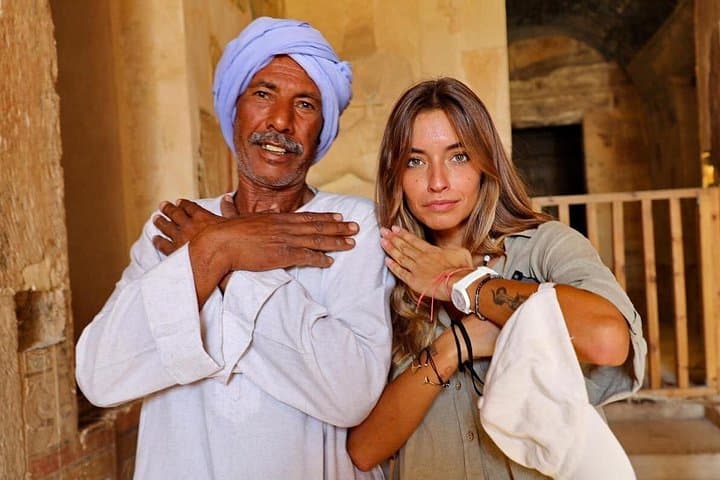


You step off the tender into warm Aswan light; the Nile slides past like a living road, palm groves nodding as the cruise lines up for departure. Onboard, teak decks and a small pool punctuate the slow rhythm—mornings are for temples, evenings for teak-and-tea conversations as the river dares you to slow down.
You step off the tender into warm Aswan light; the Nile slides past like a living road, palm groves nodding as the cruise lines up for departure. Onboard, teak decks and a small pool punctuate the slow rhythm—mornings are for temples, evenings for teak-and-tea conversations as the river dares you to slow down.
This four-day route threads Egypt’s classical era: Philae’s cult of Isis, the relocated marvels of Abu Simbel, Kom Ombo’s crocodile shrines, Edfu’s Temple of Horus, and Luxor’s vast Karnak complex and Valley of the Kings. Geologically the Nile valley is a ribbon of fertile alluvium split by granite outcrops at Aswan; culturally it’s where millennia of royal burial practice and Nile-side agriculture converge.
Expect guided walks across carved stone, narrow temple passages, and stairs cut into cliff faces. Sunrise balloon flights over Luxor’s West Bank give a bird’s-eye ledger of tombs and fields—an aerial counterpoint to the intimate scale of hypostyle halls. Locals still fish and farm along the banks; small feluccas slip past cruise liners like ideas refusing to be silenced.
Practical guidance: travel light for temple visits (no large bags), wear breathable sun protection and closed shoes for uneven steps, and carry physical passport copies for site entries. Hydrate—Egypt’s heat intensifies midday—time major excursions for early morning or late afternoon. Bring cash in small denominations for tips and site fees that aren’t included. With modest mobility needs and basic walking stamina, this itinerary balances iconic archaeology with the steady, unhurried pulse of the Nile.