THE ADVENTURE COLLECTIVE® · Independent discovery and booking for outdoor travel

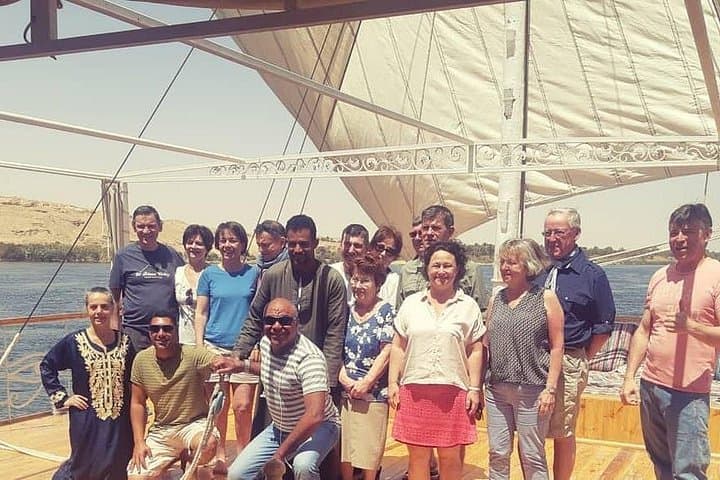
See Luxor’s highlights in 48 hours: a sunrise hot‑air balloon over tombs, a felucca sail to banana island, camel time on village isles and guided tours of Karnak and the Valley of the Kings. This two‑day itinerary mixes aerial perspective, river calm and ancient stone with practical logistics handled for you.
See Luxor’s highlights in 48 hours: a sunrise hot‑air balloon over tombs, a felucca sail to banana island, camel time on village isles and guided tours of Karnak and the Valley of the Kings. This two‑day itinerary mixes aerial perspective, river calm and ancient stone with practical logistics handled for you.
The bus unloads at dawn and the desert air feels like a soft hand pushing the hot air balloon skyward. From the basket you watch terraces of stone and the ribbon of the Nile shrink into a living map — palm groves, temple pylons, and the ochre sweep of limestone cliffs on the west bank.
Verified experiences and guided adventures in the surrounding area.
Operated by Here Egypt Tours · Luxor, Luxor Governorate
The bus unloads at dawn and the desert air feels like a soft hand pushing the hot air balloon skyward. From the basket you watch terraces of stone and the ribbon of the Nile shrink into a living map — palm groves, temple pylons, and the ochre sweep of limestone cliffs on the west bank.
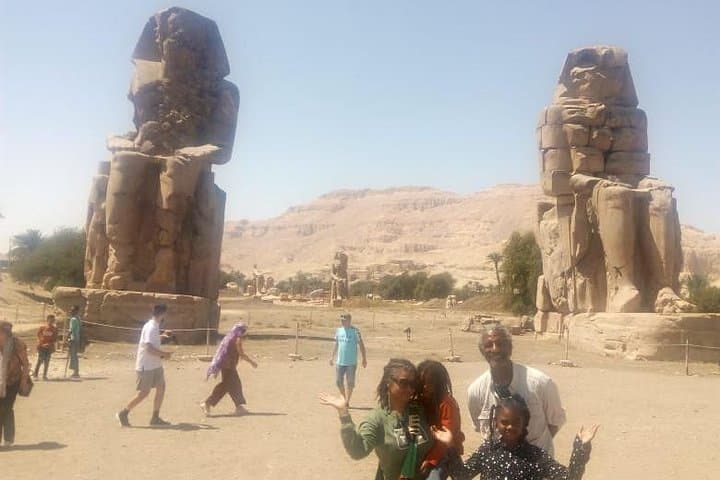
Luxor is the world’s largest open‑air museum: Valley of the Kings’ rock‑cut tombs, Hatshepsut’s terraced mortuary temple and Karnak’s avenue of columns chronicle New Kingdom power. Geologically, the area sits where Nile silt meets chalky limestone cliffs, which ancient builders carved with tools and funerary intent. The Nile still dictates local life — feluccas drift under steady winds while island orchards grow mango and guava.
Culturally, expect warm, family‑run lunches, bargaining at small stalls and a tipping culture for guides and drivers. Practically, balloon flights run at sunrise when thermals are mild; felucca sails favor afternoon breezes; walking surfaces range from smooth temple stone to steep carved ramps and loose scree in the valley.
Pack for intense sun and sudden temperature swings: hat, sunscreen, and layered clothing. Bring closed‑toe shoes for uneven tomb chambers and easy walking sandals for village paths. Hydrate before and during tours, and keep photocopies of travel documents — domestic flights are included but subject to schedule changes.
If weather cancels the balloon, operators commonly offer partial refunds or rescheduling; plan some flexibility. With basic fitness and sensible gear, this two‑day loop delivers concentrated history, hands‑on culture, and the quiet of the Nile that, even now, dares you to slow down.
moderate.
2 days.
Moderate fitness for walks on uneven terrain and several short transfers; not technically strenuous but requires stamina for hot conditions.
Licensed operators follow safety checks and fly at sunrise when conditions are calm; flights can be canceled for weather and refunds or partial compensation are commonly offered.
Yes — the itinerary includes Cairo–Luxor–Cairo domestic flights and door‑to‑door transfers as listed, though schedules may shift and you’ll be notified in advance.
Expect several short to moderate walks: temple complexes, tomb interiors with steps, and brief transfers between docks and piers; ability to climb stairs and walk on uneven ground is required.
Yes — carry some local currency for tips, small purchases on islands and vendor stalls where cards aren’t accepted; larger purchases accept cards in town.
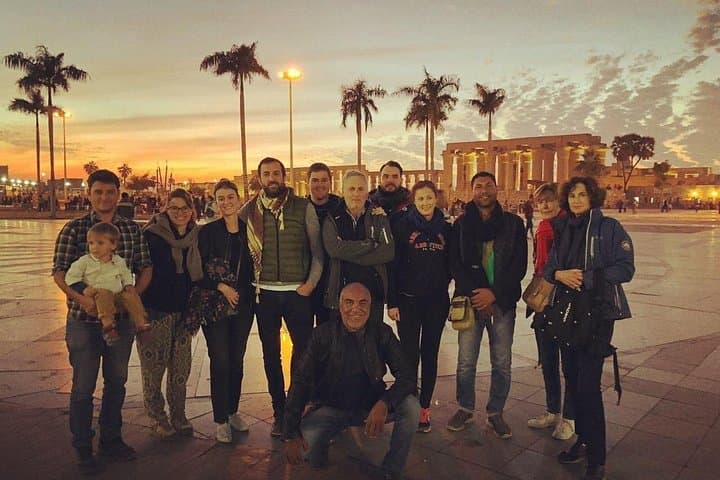
Luxor sits on the site of ancient Thebes, the religious heart of New Kingdom Egypt; many temples were expanded over centuries by pharaohs to assert power and devotion.
Tourism pressures and Nile water management affect archaeological sites; stick to marked paths, avoid touching reliefs and support local guides to ensure sustainable visitation.
Here Egypt Tours operates guided outdoor trips and adventures with an emphasis on safety, stewardship, and memorable experiences.

The bus unloads at dawn and the desert air feels like a soft hand pushing the hot air balloon skyward. From the basket you watch terraces of stone and the ribbon of the Nile shrink into a living map — palm groves, temple pylons, and the ochre sweep of limestone cliffs on the west bank.
The bus unloads at dawn and the desert air feels like a soft hand pushing the hot air balloon skyward. From the basket you watch terraces of stone and the ribbon of the Nile shrink into a living map — palm groves, temple pylons, and the ochre sweep of limestone cliffs on the west bank.
Luxor is the world’s largest open‑air museum: Valley of the Kings’ rock‑cut tombs, Hatshepsut’s terraced mortuary temple and Karnak’s avenue of columns chronicle New Kingdom power. Geologically, the area sits where Nile silt meets chalky limestone cliffs, which ancient builders carved with tools and funerary intent. The Nile still dictates local life — feluccas drift under steady winds while island orchards grow mango and guava.
Culturally, expect warm, family‑run lunches, bargaining at small stalls and a tipping culture for guides and drivers. Practically, balloon flights run at sunrise when thermals are mild; felucca sails favor afternoon breezes; walking surfaces range from smooth temple stone to steep carved ramps and loose scree in the valley.
Pack for intense sun and sudden temperature swings: hat, sunscreen, and layered clothing. Bring closed‑toe shoes for uneven tomb chambers and easy walking sandals for village paths. Hydrate before and during tours, and keep photocopies of travel documents — domestic flights are included but subject to schedule changes.
If weather cancels the balloon, operators commonly offer partial refunds or rescheduling; plan some flexibility. With basic fitness and sensible gear, this two‑day loop delivers concentrated history, hands‑on culture, and the quiet of the Nile that, even now, dares you to slow down.