THE ADVENTURE COLLECTIVE® · Independent discovery and booking for outdoor travel

See two of central China's landmark sites in one long, efficient day: the cliff-carved Longmen Grottoes and the martial heart of Shaolin Temple, reached by high-speed train from Xi'an. Expect a full schedule, required passport info, and a mix of riverside stone art and disciplined temple energy.
See two of central China's landmark sites in one long, efficient day: the cliff-carved Longmen Grottoes and the martial heart of Shaolin Temple, reached by high-speed train from Xi'an. Expect a full schedule, required passport info, and a mix of riverside stone art and disciplined temple energy.
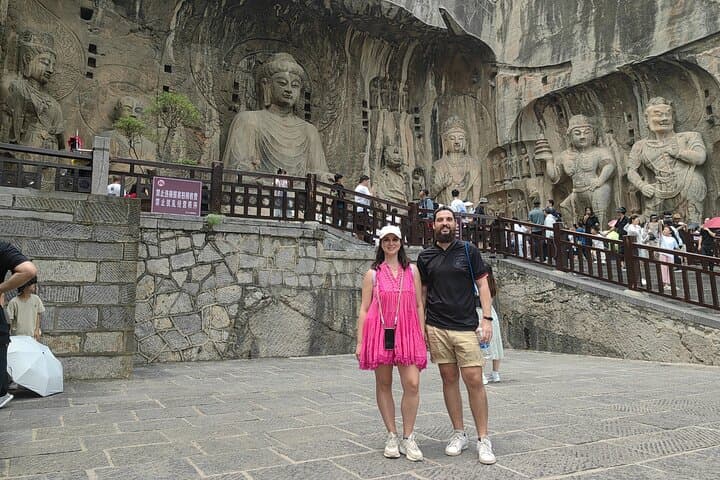
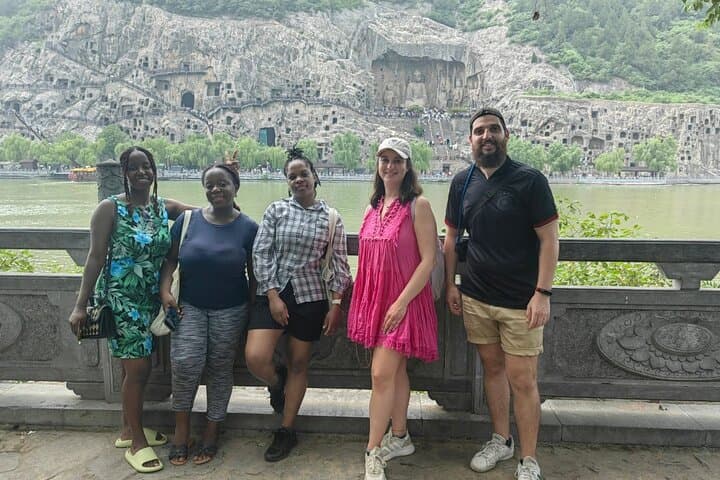
You step onto the early platform at Xi'an North as the city is still finding its stride; the high-speed train glides away toward the low hills of Henan, and the day stretches like the Yi River that frames Longmen. At Longmen Grottoes, cliffs cut into the riverbank hold thousands of Buddhist images—miniature guardians and enormous Buddhas up to 17.14 meters tall—carved across stone faces that feel both fragile and stubbornly permanent.
Verified experiences and guided adventures in the surrounding area.
Operated by China Travel Service · Luoyang, Henan
You step onto the early platform at Xi'an North as the city is still finding its stride; the high-speed train glides away toward the low hills of Henan, and the day stretches like the Yi River that frames Longmen. At Longmen Grottoes, cliffs cut into the riverbank hold thousands of Buddhist images—miniature guardians and enormous Buddhas up to 17.14 meters tall—carved across stone faces that feel both fragile and stubbornly permanent.
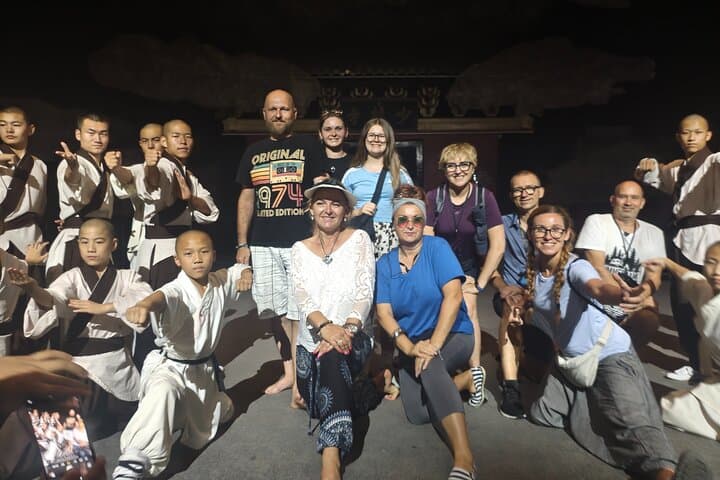
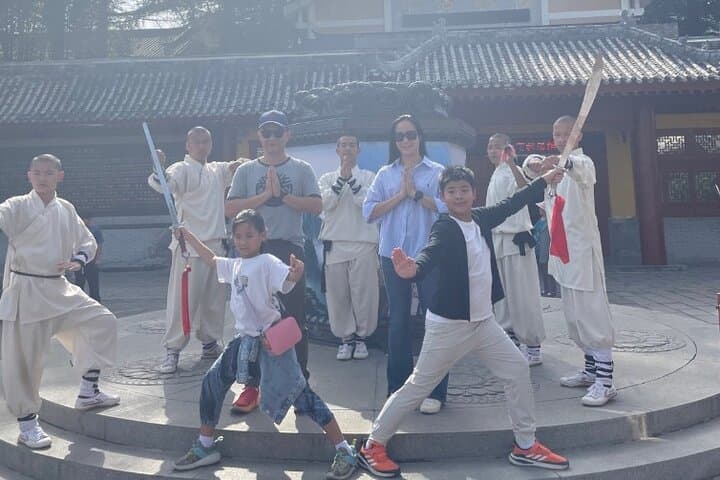
The grottoes date from the Northern Wei through Tang dynasties and map a millennium of devotional art along roughly 1,094 yards of river. Later, the road climbs toward Songshan and Shaolin Temple, founded in 495 to host the Indian monk Batuo and later famed as a crucible of Chan (Zen) Buddhism and martial training. Monks move through courtyards with a calm, precise energy; a short martial arts demonstration highlights the discipline and speed bred here.
This is a long but accessible day: expect about 1.5 hours each way on the bullet train, roughly two hours at Longmen, and a 2.5-hour drive to Shaolin. Practicalities matter—passport details are required to issue train tickets, and the schedule is tightly timed, so punctuality is essential. Wear supportive shoes for stone stairs, carry water, and keep voices low at sacred sites.
The itinerary compresses history, art, and movement into one full day—an efficient route through two of central China’s most iconic cultural landscapes.
easy.
12–14 hours.
Suitable for travelers in average fitness—ability to walk stairs and stand for tours is needed.
Round-trip second-class high-speed train tickets between Xi'an and Luoyang are included if selected; you can also arrange your own tickets if you prefer.
Yes—passport details are required at booking so the operator can issue train tickets on your behalf.
Yes—the day includes time to watch a short martial arts performance by Shaolin practitioners as part of the temple visit.
Children under 18 must be accompanied by an adult; infants under 2 may join free but must sit on a parent's lap during transfers and trains.
Longmen preserves Buddhist stone carvings from Northern Wei through Tang dynasties; Shaolin Temple, founded in 495, is key to Chan Buddhism and the historical development of Chinese martial arts.
Both sites require respectful behavior to protect fragile stone surfaces and monuments—stay on designated paths, avoid touching carvings, and follow local signage to reduce wear and erosion.
China Travel Service operates guided outdoor trips and adventures with an emphasis on safety, stewardship, and memorable experiences.
You step onto the early platform at Xi'an North as the city is still finding its stride; the high-speed train glides away toward the low hills of Henan, and the day stretches like the Yi River that frames Longmen. At Longmen Grottoes, cliffs cut into the riverbank hold thousands of Buddhist images—miniature guardians and enormous Buddhas up to 17.14 meters tall—carved across stone faces that feel both fragile and stubbornly permanent.
You step onto the early platform at Xi'an North as the city is still finding its stride; the high-speed train glides away toward the low hills of Henan, and the day stretches like the Yi River that frames Longmen. At Longmen Grottoes, cliffs cut into the riverbank hold thousands of Buddhist images—miniature guardians and enormous Buddhas up to 17.14 meters tall—carved across stone faces that feel both fragile and stubbornly permanent.
The grottoes date from the Northern Wei through Tang dynasties and map a millennium of devotional art along roughly 1,094 yards of river. Later, the road climbs toward Songshan and Shaolin Temple, founded in 495 to host the Indian monk Batuo and later famed as a crucible of Chan (Zen) Buddhism and martial training. Monks move through courtyards with a calm, precise energy; a short martial arts demonstration highlights the discipline and speed bred here.
This is a long but accessible day: expect about 1.5 hours each way on the bullet train, roughly two hours at Longmen, and a 2.5-hour drive to Shaolin. Practicalities matter—passport details are required to issue train tickets, and the schedule is tightly timed, so punctuality is essential. Wear supportive shoes for stone stairs, carry water, and keep voices low at sacred sites.
The itinerary compresses history, art, and movement into one full day—an efficient route through two of central China’s most iconic cultural landscapes.