THE ADVENTURE COLLECTIVE® · Independent discovery and booking for outdoor travel

Explore Sir Geoffrey Bawa’s Lunuganga estate, glide through the mangroves of the Madu River, and discover moonstone mines at Meetiyagoda on this full-day Bentota tour from Galle. Expect cultural stops, light walking and a short boat safari.
Explore Sir Geoffrey Bawa’s Lunuganga estate, glide through the mangroves of the Madu River, and discover moonstone mines at Meetiyagoda on this full-day Bentota tour from Galle. Expect cultural stops, light walking and a short boat safari.
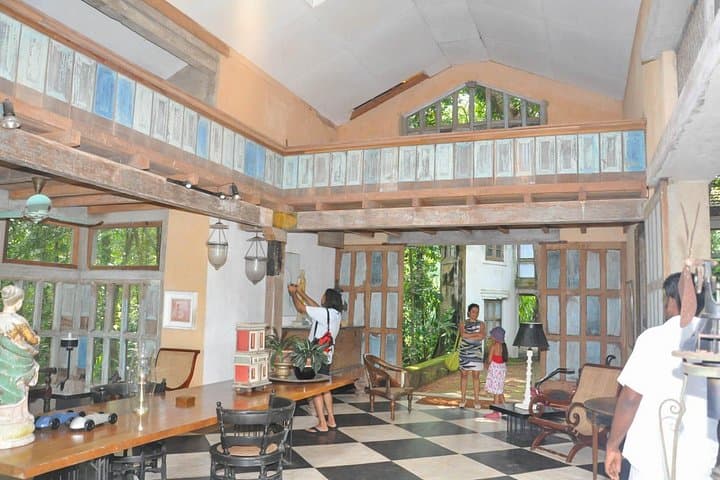
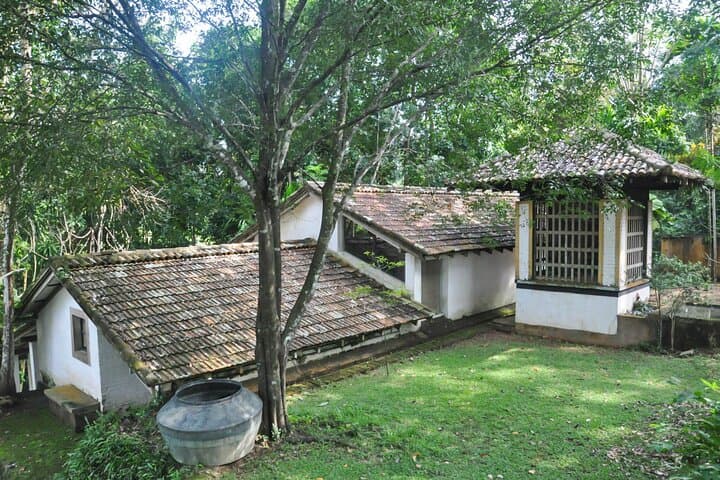
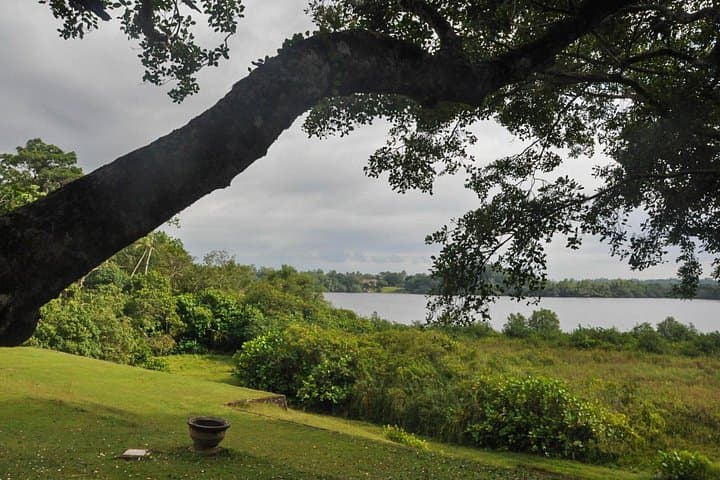
You step out of an air-conditioned van and the coast arrives before you as a humid ribbon—palm shadows lengthen across salted air, and the river ahead seems to promise secrets in its mangrove throat. The day begins at Lunuganga, Sir Geoffrey Bawa’s experimental estate, where pathways fold around water gardens and low masonry structures that frame the sea as if it were a guest.
Verified experiences and guided adventures in the surrounding area.
Operated by Lakpura LLC · Bentota, Southern Province
You step out of an air-conditioned van and the coast arrives before you as a humid ribbon—palm shadows lengthen across salted air, and the river ahead seems to promise secrets in its mangrove throat. The day begins at Lunuganga, Sir Geoffrey Bawa’s experimental estate, where pathways fold around water gardens and low masonry structures that frame the sea as if it were a guest.
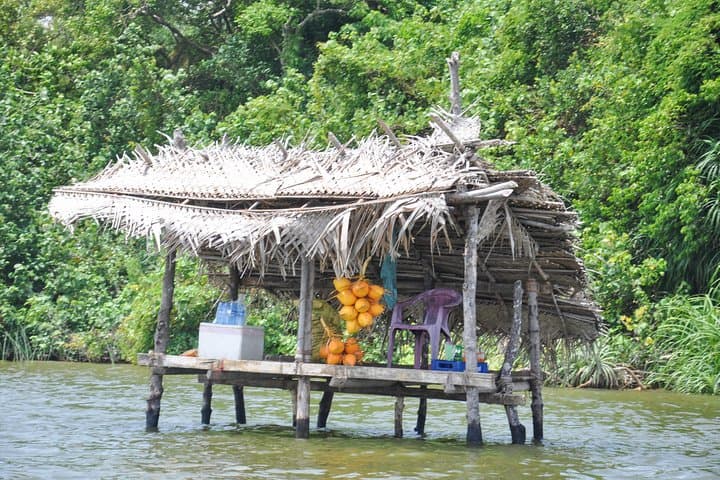
Lunuganga’s landscape speaks of mid-20th-century Sri Lankan modernism: careful placement of stone, sweeping lawns, and framed views that blur interior and exterior. From there the route slips into the wetlands of Balapitiya and the Madu River: a narrow, mangrove-lined channel where roots clutch the mud and kingfishers flash like punctuation. Boats thread between small cinnamon-producing islands and a handful of tiny monastery sites; on one is a traditional fish-spa hut where curious carp nibble at toes.
Meetiyagoda adds geology to the itinerary—moonstone mines appear in low-slung hills, yielding iridescent gems long traded locally. Cultural notes are simple and strong: cinnamon cultivation and small-scale mining remain livelihoods, and Bawa’s Lunuganga shaped modern Sri Lankan architecture.
Practical guidance: expect a 7–8 hour day with vehicle transfers, two short garden walks and light boat travel; bring sun protection, insect repellent and a small daypack. Wear sturdy sandals or trainers for uneven boards at river docks, and carry local cash for small purchases and tips. The river can feel like a living thing—slow, insistent, and generous with views—so plan for warm, humid weather and occasional spray from the boat.
easy.
7–8 hours.
Suitable for travelers with basic mobility; requires short walks, some steps and boarding small boats.
Pickup and drop-off are provided from Galle-area hotels; the exact pickup point and time are confirmed at booking.
The short boat safari requires stepping into and out of small boats and onto simple docks; travelers with limited mobility should advise the operator in advance.
The tour includes an English-speaking chauffeur guide, transport, a boat safari and a water bottle; additional meals or special admissions may not be included—confirm when booking.
Fish spas are a common local attraction—operators vary, so bring sandals and check that facilities look clean; those with open wounds or circulatory issues should avoid it.
Lunuganga was Sir Geoffrey Bawa’s lifelong estate and influenced tropical modernist architecture; Meetiyagoda’s moonstones have been mined locally for generations.
Mangrove zones around the Madu River are fragile—avoid littering, use local guides who support sustainable boat practices, and favor small-scale vendors to benefit communities.
Lakpura LLC operates guided outdoor trips and adventures with an emphasis on safety, stewardship, and memorable experiences.
You step out of an air-conditioned van and the coast arrives before you as a humid ribbon—palm shadows lengthen across salted air, and the river ahead seems to promise secrets in its mangrove throat. The day begins at Lunuganga, Sir Geoffrey Bawa’s experimental estate, where pathways fold around water gardens and low masonry structures that frame the sea as if it were a guest.
You step out of an air-conditioned van and the coast arrives before you as a humid ribbon—palm shadows lengthen across salted air, and the river ahead seems to promise secrets in its mangrove throat. The day begins at Lunuganga, Sir Geoffrey Bawa’s experimental estate, where pathways fold around water gardens and low masonry structures that frame the sea as if it were a guest.
Lunuganga’s landscape speaks of mid-20th-century Sri Lankan modernism: careful placement of stone, sweeping lawns, and framed views that blur interior and exterior. From there the route slips into the wetlands of Balapitiya and the Madu River: a narrow, mangrove-lined channel where roots clutch the mud and kingfishers flash like punctuation. Boats thread between small cinnamon-producing islands and a handful of tiny monastery sites; on one is a traditional fish-spa hut where curious carp nibble at toes.
Meetiyagoda adds geology to the itinerary—moonstone mines appear in low-slung hills, yielding iridescent gems long traded locally. Cultural notes are simple and strong: cinnamon cultivation and small-scale mining remain livelihoods, and Bawa’s Lunuganga shaped modern Sri Lankan architecture.
Practical guidance: expect a 7–8 hour day with vehicle transfers, two short garden walks and light boat travel; bring sun protection, insect repellent and a small daypack. Wear sturdy sandals or trainers for uneven boards at river docks, and carry local cash for small purchases and tips. The river can feel like a living thing—slow, insistent, and generous with views—so plan for warm, humid weather and occasional spray from the boat.