THE ADVENTURE COLLECTIVE® · Independent discovery and booking for outdoor travel

Spend a full day tracing elephant corridors and scanning reservoirs for waterbirds on a private Lunugamvehera safari. This 12-hour naturalist-led tour covers multi-terrain tracks and offers strong chances to see elephant migrations between Yala and Udawalawe.
Spend a full day tracing elephant corridors and scanning reservoirs for waterbirds on a private Lunugamvehera safari. This 12-hour naturalist-led tour covers multi-terrain tracks and offers strong chances to see elephant migrations between Yala and Udawalawe.
The morning light slides over a wide reservoir and the reeds seem to breathe—this is Lunugamvehera, where water and dry plains trade places and elephants move like quiet weather across the land.
Verified experiences and guided adventures in the surrounding area.
Operated by Lakpura LLC · Tissamaharama, Southern Province
The morning light slides over a wide reservoir and the reeds seem to breathe—this is Lunugamvehera, where water and dry plains trade places and elephants move like quiet weather across the land.
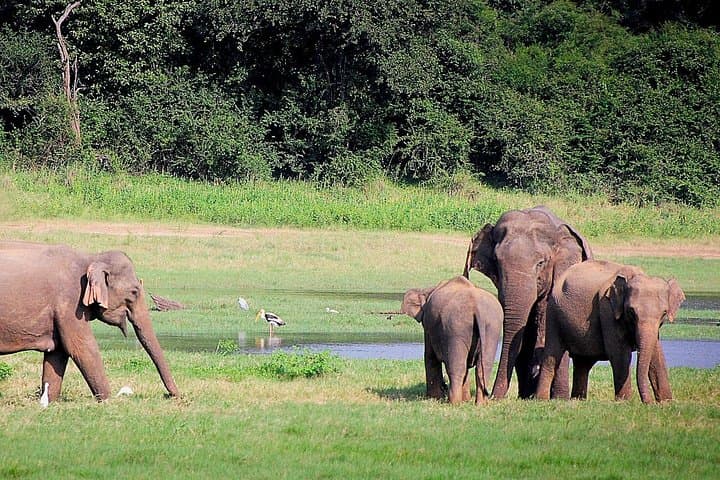
This private, 12-hour safari follows the rim of Lunugamvehera Reservoir and through the park’s dry-zone plains. The park sits between Yala and Udawalawe and functions as an active elephant corridor; you’ll likely see herds moving between parks during the dry season. Geologically the area is a contrast of shallow wetlands and eroded laterite plains, with roughly 14% of the 22,000-hectare park underwater at any given time. Birdlife is prolific—watch for waterbirds that use the reservoirs and raptors perched on dead trees.
Culturally, the park sits in Hambantota’s farming landscape; nearby villages practice rice and tank agriculture that links directly to the reservoir system. A knowledgeable naturalist will point out how seasonal rainfall—varying across the park up to about 1,000 mm annually—shapes migration patterns and the distribution of reptiles, amphibians, and fish.
Practically: you’ll travel in a 4x4 jeep with a driver-tracker, covering multi-terrain tracks and short walks. Bring binoculars, layered clothing for early chill and midday heat, sun protection, and a camera with a telephoto lens. Expect bumpy roads and wildlife encounters from dawn into late afternoon; the full-day window increases chances for elephant sightings and diverse birdwatching. Hydrate, follow your guide’s safety instructions, and leave no trace—wildlife here moves uninterrupted when visitors act responsibly.
moderate.
12 hours.
Moderate fitness: able to handle long periods in a vehicle, short walks on uneven ground, and some heat exposure.
Very likely during the dry season when elephants use Lunugamvehera as a corridor; sightings are common but never guaranteed.
Yes, if participants can tolerate long vehicle time and bumpy roads; it’s not recommended for those with spinal or serious heart conditions.
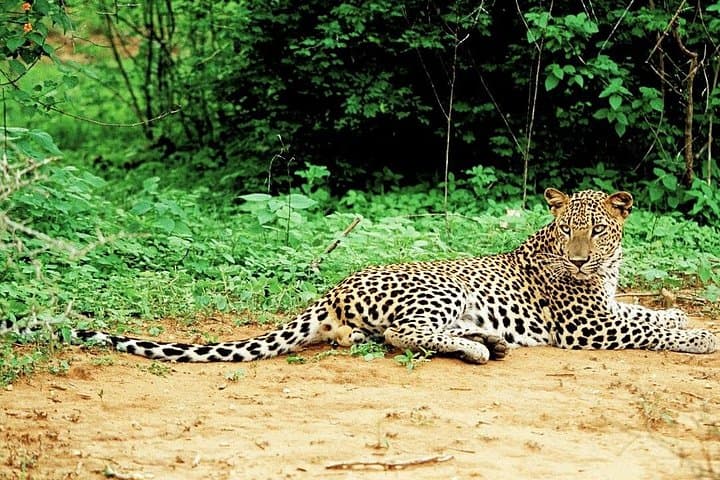
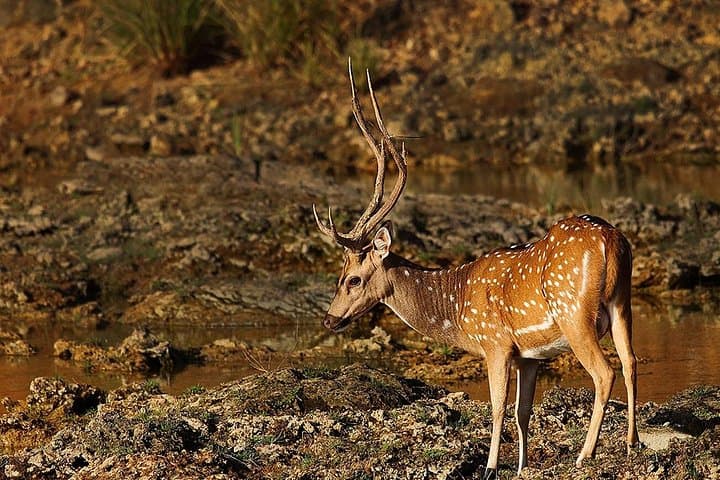
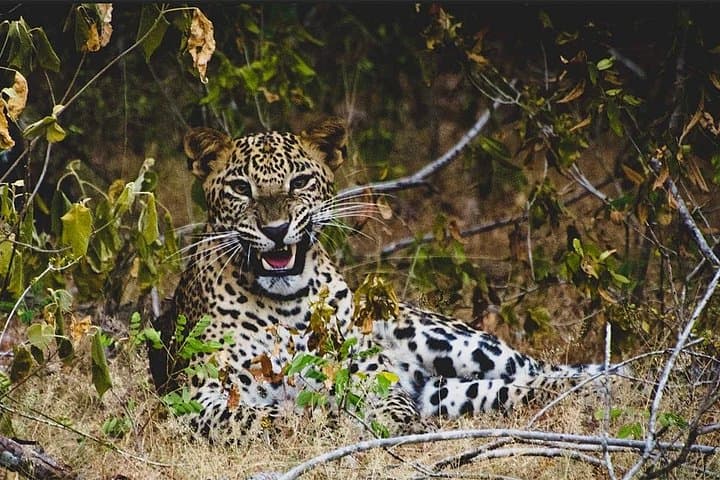
Expect waterbirds, peafowl, deer, monitor lizards, and occasionally predators—guides will point out reptiles and amphibians near wet areas.
Facilities are limited; tours typically include comfort stops at park entrances or village points—plan accordingly.
The reservoir system in this region is part of a long-standing tank-irrigation tradition; Lunugamvehera itself supports local agriculture and wildlife corridors that have shaped settlement patterns.
The park functions as a protected corridor critical to elephant migrations; visitors are encouraged to follow guidelines to minimize disturbance and support local conservation efforts.
Lakpura LLC operates guided outdoor trips and adventures with an emphasis on safety, stewardship, and memorable experiences.
The morning light slides over a wide reservoir and the reeds seem to breathe—this is Lunugamvehera, where water and dry plains trade places and elephants move like quiet weather across the land.
The morning light slides over a wide reservoir and the reeds seem to breathe—this is Lunugamvehera, where water and dry plains trade places and elephants move like quiet weather across the land.
This private, 12-hour safari follows the rim of Lunugamvehera Reservoir and through the park’s dry-zone plains. The park sits between Yala and Udawalawe and functions as an active elephant corridor; you’ll likely see herds moving between parks during the dry season. Geologically the area is a contrast of shallow wetlands and eroded laterite plains, with roughly 14% of the 22,000-hectare park underwater at any given time. Birdlife is prolific—watch for waterbirds that use the reservoirs and raptors perched on dead trees.
Culturally, the park sits in Hambantota’s farming landscape; nearby villages practice rice and tank agriculture that links directly to the reservoir system. A knowledgeable naturalist will point out how seasonal rainfall—varying across the park up to about 1,000 mm annually—shapes migration patterns and the distribution of reptiles, amphibians, and fish.
Practically: you’ll travel in a 4x4 jeep with a driver-tracker, covering multi-terrain tracks and short walks. Bring binoculars, layered clothing for early chill and midday heat, sun protection, and a camera with a telephoto lens. Expect bumpy roads and wildlife encounters from dawn into late afternoon; the full-day window increases chances for elephant sightings and diverse birdwatching. Hydrate, follow your guide’s safety instructions, and leave no trace—wildlife here moves uninterrupted when visitors act responsibly.