THE ADVENTURE COLLECTIVE® · Independent discovery and booking for outdoor travel

Take a guided cultural lunch inside a restored wind-tower house in Dubai’s Al Fahidi Historic Neighbourhood. Enjoy traditional Emirati dishes, conversation with Emirati hosts, and a short historic walk—transfers and tea included.
Take a guided cultural lunch inside a restored wind-tower house in Dubai’s Al Fahidi Historic Neighbourhood. Enjoy traditional Emirati dishes, conversation with Emirati hosts, and a short historic walk—transfers and tea included.
You arrive in Al Fahidi as the city’s glass-and-steel silhouette softens into low-slung coral plaster and narrow lanes. A restored wind-tower house frames the courtyard where the Sheikh Mohammed Centre for Cultural Understanding (SMCCU) opens its doors—cool shade, steaming coffee, and the low murmur of conversation. The first taste is dates and gahwa (Arabic coffee); the second is the cadence of local speech and the slow, deliberate hospitality that structures the afternoon.
Verified experiences and guided adventures in the surrounding area.
Operated by Travco Dubai · Dubai, Dubai
You arrive in Al Fahidi as the city’s glass-and-steel silhouette softens into low-slung coral plaster and narrow lanes. A restored wind-tower house frames the courtyard where the Sheikh Mohammed Centre for Cultural Understanding (SMCCU) opens its doors—cool shade, steaming coffee, and the low murmur of conversation. The first taste is dates and gahwa (Arabic coffee); the second is the cadence of local speech and the slow, deliberate hospitality that structures the afternoon.
SMCCU sits in one of Dubai’s oldest quarters, where pearling and dhow trade made this inlet off Dubai Creek a crossroads of cultures. The architecture—wind towers, gypsum-plastered walls, wooden mashrabiya—speaks to a pre-oil economy and to practical solutions for hot, humid summers. Presenters at SMCCU link those built forms to modern Emirati customs and explain how food, family, and faith shaped daily life.
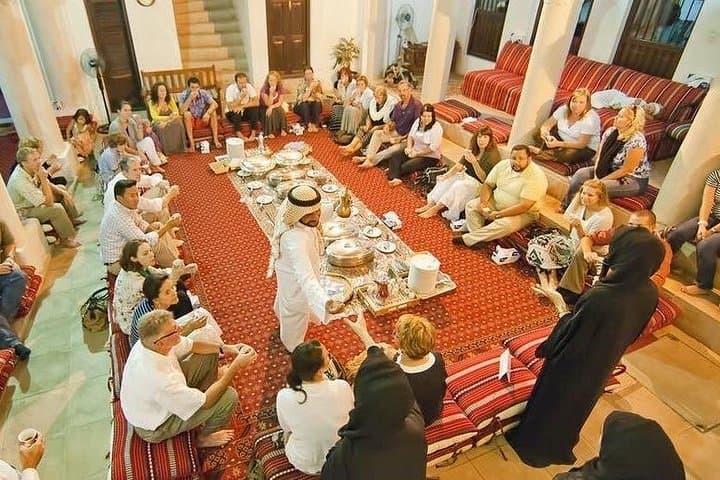
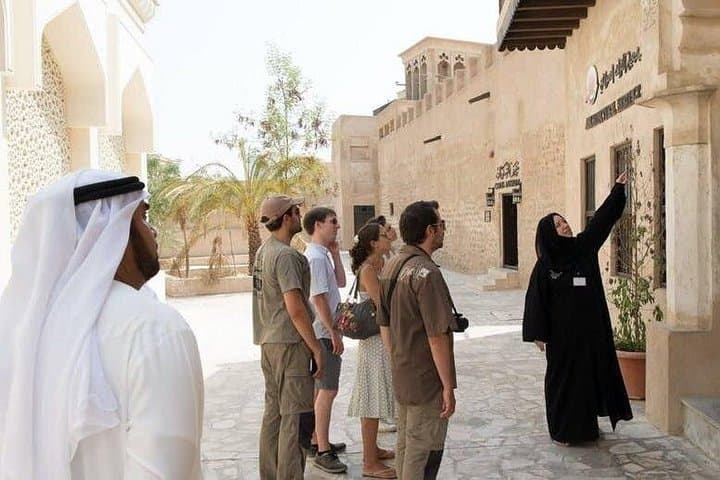
Expect an intimate, conversational lunch of traditional Emirati dishes—rice, slow-cooked meats, and vegetable stews—served with tea and coffee. The setting is calm, largely indoors in a historic home, but the program often includes a short walk through the alleys and views toward the creek.
Practical guidance: transfers are air-conditioned and included; the full experience runs about four hours. Dress modestly (shoulders and knees covered), bring a refillable water bottle for Dubai’s heat, and note that SMCCU is wheelchair accessible. If you have dietary restrictions, request them when booking. Plan this visit during cooler months (November–March) or choose a midday slot to avoid traffic and supply a relaxed pace for conversation and questions.
easy.
4 hours.
Suitable for all fitness levels; minimal walking on flat historic lanes.
Yes — SMCCU can accommodate vegetarian and most common dietary preferences if you note them during booking.
Yes — the activity includes hotel pickup and drop-off by air-conditioned vehicle; confirm your pickup point when booking.
Yes — SMCCU indicates wheelchair accessibility for its facilities and activities, though some historic alleyways may be uneven.
The full program is about four hours, including hotel transfers, an introductory talk, lunch, and a short guided stroll in Al Fahidi.
Al Fahidi Historical Neighbourhood grew from pearling and dhow trade on Dubai Creek; wind towers and narrow lanes are practical legacies of a pre-air-conditioning era.
SMCCU focuses on cultural preservation and respectful tourism; visitors are asked to follow guidelines to help maintain historic buildings and local life.
Travco Dubai operates guided outdoor trips and adventures with an emphasis on safety, stewardship, and memorable experiences.
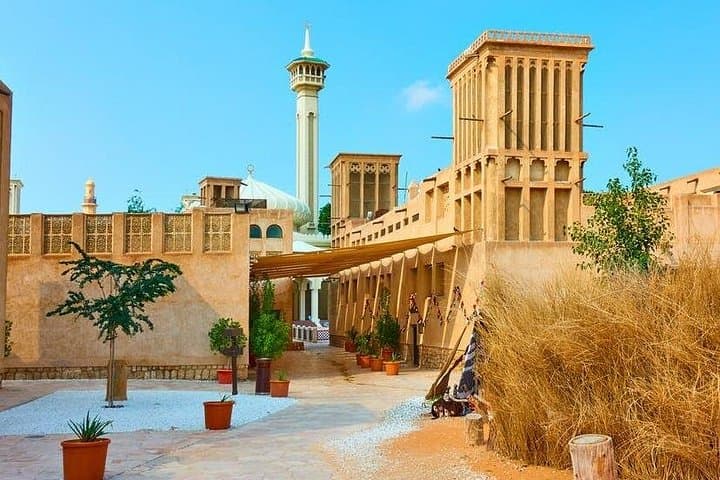
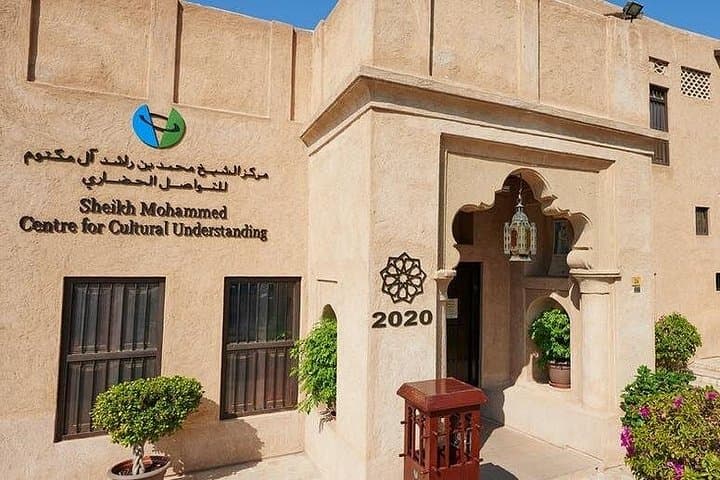
You arrive in Al Fahidi as the city’s glass-and-steel silhouette softens into low-slung coral plaster and narrow lanes. A restored wind-tower house frames the courtyard where the Sheikh Mohammed Centre for Cultural Understanding (SMCCU) opens its doors—cool shade, steaming coffee, and the low murmur of conversation. The first taste is dates and gahwa (Arabic coffee); the second is the cadence of local speech and the slow, deliberate hospitality that structures the afternoon.
You arrive in Al Fahidi as the city’s glass-and-steel silhouette softens into low-slung coral plaster and narrow lanes. A restored wind-tower house frames the courtyard where the Sheikh Mohammed Centre for Cultural Understanding (SMCCU) opens its doors—cool shade, steaming coffee, and the low murmur of conversation. The first taste is dates and gahwa (Arabic coffee); the second is the cadence of local speech and the slow, deliberate hospitality that structures the afternoon.
SMCCU sits in one of Dubai’s oldest quarters, where pearling and dhow trade made this inlet off Dubai Creek a crossroads of cultures. The architecture—wind towers, gypsum-plastered walls, wooden mashrabiya—speaks to a pre-oil economy and to practical solutions for hot, humid summers. Presenters at SMCCU link those built forms to modern Emirati customs and explain how food, family, and faith shaped daily life.
Expect an intimate, conversational lunch of traditional Emirati dishes—rice, slow-cooked meats, and vegetable stews—served with tea and coffee. The setting is calm, largely indoors in a historic home, but the program often includes a short walk through the alleys and views toward the creek.
Practical guidance: transfers are air-conditioned and included; the full experience runs about four hours. Dress modestly (shoulders and knees covered), bring a refillable water bottle for Dubai’s heat, and note that SMCCU is wheelchair accessible. If you have dietary restrictions, request them when booking. Plan this visit during cooler months (November–March) or choose a midday slot to avoid traffic and supply a relaxed pace for conversation and questions.