THE ADVENTURE COLLECTIVE® · Independent discovery and booking for outdoor travel

Fly from Kathmandu to Lumbini for a focused, two‑day pilgrimage through the Maya Devi Temple, Ashoka Pillar, Puksani Pond and ancient Tilaurakot. This private tour pairs easy walking with cultural depth—ideal for travelers seeking a brief but substantive Buddhist heritage experience.
Fly from Kathmandu to Lumbini for a focused, two‑day pilgrimage through the Maya Devi Temple, Ashoka Pillar, Puksani Pond and ancient Tilaurakot. This private tour pairs easy walking with cultural depth—ideal for travelers seeking a brief but substantive Buddhist heritage experience.
Stepping from the short flight into the flat, warm plains around Lumbini feels like entering a place that has been waiting to be noticed.
Verified experiences and guided adventures in the surrounding area.
Operated by Alpine Club of Himalaya · Lumbini, Lumbini Province
Stepping from the short flight into the flat, warm plains around Lumbini feels like entering a place that has been waiting to be noticed.
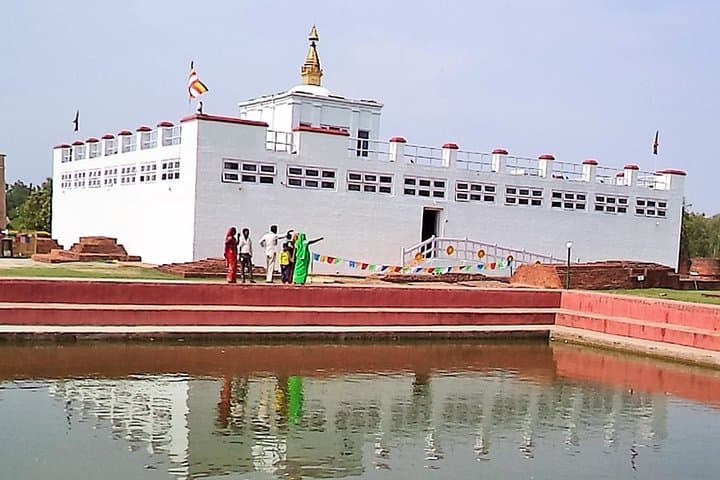
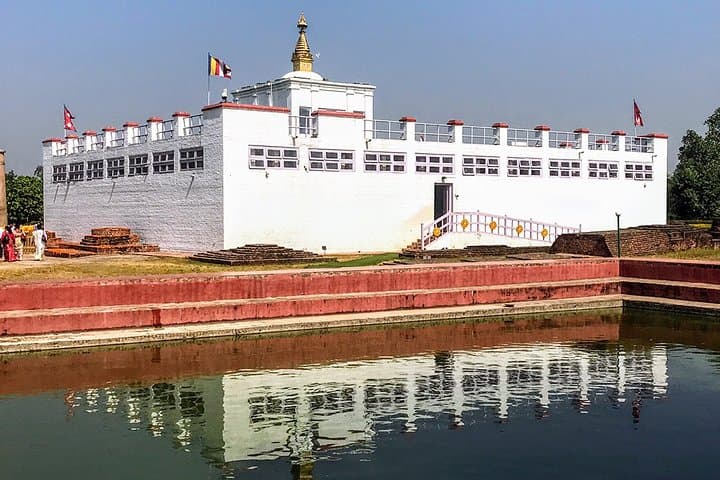
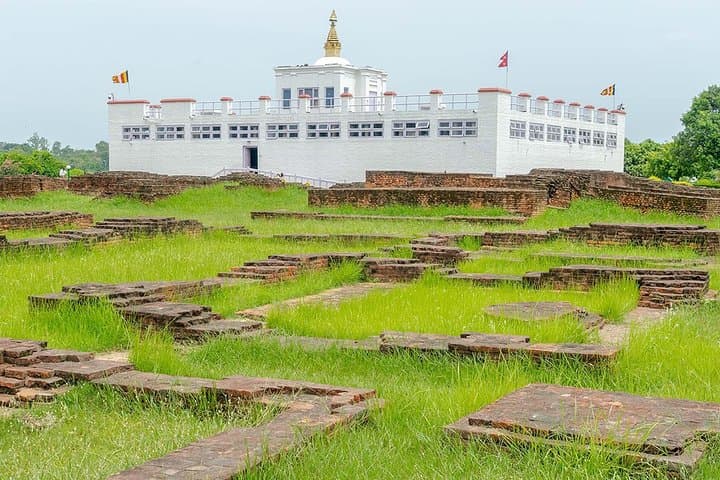
Morning light cuts across marsh and paddy; the Maya Devi Temple sits quietly amid lawns and monastery gardens, while the Ashoka Pillar raises a plain, human-made verticality against sky. The pond at Puksani and the reconstructed ruins of Tilaurakot give the day a measured rhythm: slow walking, listening to prayer flags, watching cranes quarter the reed beds. Nature here nudges the pace—you follow paths that trace the old pilgrimage lines rather than rush them.
Lumbini’s story is both historic and geopolitical: a Bronze‑age site reimagined under Ashoka’s 3rd‑century BCE inscription and later designated a UNESCO World Heritage site. Geologically the plains are alluvial—soft ground, seasonally wet—and that shapes how monasteries, pools and groves spread across the site.
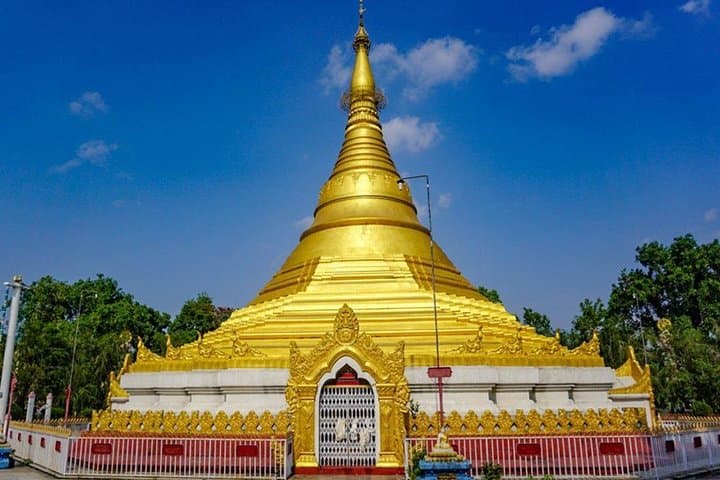
Culturally the complex is living: international monasteries, daily rituals and a modest museum that lays out archaeological finds and timelines. Nearby Tilaurakot offers a different register—fortified mounds and the sense of a lived ancient capital.
Practical guidance: plan light, modest clothing that covers shoulders and knees, carry sun protection and refillable water, and schedule temple visits in the cooler morning or late afternoon. Allow time for slow walking between monuments and for border‑region travel logistics—flights to Bhairahawa plus short transfers. Expect easy terrain—mostly paved and grassy paths—but bring comfortable walking shoes for uneven, occasionally muddy stretches. With a private transfer and a local guide, the two‑day loop is compact yet unhurried, letting history and landscape set the tempo.
easy.
2 days.
Suitable for travelers of average fitness; involves several short, easy walks and standing during visits.
The drive takes roughly 30–45 minutes depending on traffic and your exact hotel location in Lumbini or nearby Bhairahawa.
This tour notes entrance fees as included; verify at booking and keep local currency for small purchases.
Yes—terrain is easy and the itinerary is low‑impact, but note the short internal flights and some walking between sites; inform the operator of mobility needs.
Photography rules vary by shrine and monastery—always ask before photographing, and avoid photos during private rituals when requested.
Lumbini marks the traditional birthplace of Siddhartha Gautama; Emperor Ashoka later erected a pillar here in the 3rd century BCE commemorating the site’s significance.
The Lumbini site balances tourism with wetland and sanctuary management; visitors are encouraged to stay on paths, avoid disturbing birds, and minimize single‑use plastics.
Alpine Club of Himalaya operates guided outdoor trips and adventures with an emphasis on safety, stewardship, and memorable experiences.
Stepping from the short flight into the flat, warm plains around Lumbini feels like entering a place that has been waiting to be noticed.
Stepping from the short flight into the flat, warm plains around Lumbini feels like entering a place that has been waiting to be noticed.
Morning light cuts across marsh and paddy; the Maya Devi Temple sits quietly amid lawns and monastery gardens, while the Ashoka Pillar raises a plain, human-made verticality against sky. The pond at Puksani and the reconstructed ruins of Tilaurakot give the day a measured rhythm: slow walking, listening to prayer flags, watching cranes quarter the reed beds. Nature here nudges the pace—you follow paths that trace the old pilgrimage lines rather than rush them.
Lumbini’s story is both historic and geopolitical: a Bronze‑age site reimagined under Ashoka’s 3rd‑century BCE inscription and later designated a UNESCO World Heritage site. Geologically the plains are alluvial—soft ground, seasonally wet—and that shapes how monasteries, pools and groves spread across the site.
Culturally the complex is living: international monasteries, daily rituals and a modest museum that lays out archaeological finds and timelines. Nearby Tilaurakot offers a different register—fortified mounds and the sense of a lived ancient capital.
Practical guidance: plan light, modest clothing that covers shoulders and knees, carry sun protection and refillable water, and schedule temple visits in the cooler morning or late afternoon. Allow time for slow walking between monuments and for border‑region travel logistics—flights to Bhairahawa plus short transfers. Expect easy terrain—mostly paved and grassy paths—but bring comfortable walking shoes for uneven, occasionally muddy stretches. With a private transfer and a local guide, the two‑day loop is compact yet unhurried, letting history and landscape set the tempo.