THE ADVENTURE COLLECTIVE® · Independent discovery and booking for outdoor travel

Travel from Kathmandu to Lumbini and stand where Siddhartha Gautama was born. This practical guide covers what to see at the Maya Devi Temple, nearby archaeological sites, and how to plan a respectful, low‑effort pilgrimage.
Travel from Kathmandu to Lumbini and stand where Siddhartha Gautama was born. This practical guide covers what to see at the Maya Devi Temple, nearby archaeological sites, and how to plan a respectful, low‑effort pilgrimage.
A ribbon of highway slides out of Kathmandu and, after a long day through terraced hills and river plains, the air changes — cooler, quieter, edged with the sound of prayer flags and temple bells. Arriving in Lumbini, the pilgrimage site opens as a park of broad lawns, ponds and low stone markers; the Maya Devi Temple sits at its heart, where archaeologists and pilgrims alike trace the life of Siddhartha Gautama.
Verified experiences and guided adventures in the surrounding area.
Operated by Fewa Trail Treks and Expedition Pvt Ltd · Lumbini, Lumbini Province
A ribbon of highway slides out of Kathmandu and, after a long day through terraced hills and river plains, the air changes — cooler, quieter, edged with the sound of prayer flags and temple bells. Arriving in Lumbini, the pilgrimage site opens as a park of broad lawns, ponds and low stone markers; the Maya Devi Temple sits at its heart, where archaeologists and pilgrims alike trace the life of Siddhartha Gautama.
Lumbini’s story is both ancient and archaeological. Emperor Ashoka’s 3rd‑century BCE pillar marks imperial recognition of the site; below modern pathways lie excavated brick shrines and the ruins of monastic zones built over centuries. Geologically the plain is part of the Terai, flat alluvial land that channels monsoon water and supports tall grasses and tamarind groves. Culturally, the complex is international: national monasteries from Japan, Thailand, China and Myanmar stand as living expressions of contemporary Buddhism.
Practical guidance: the site is low‑effort walking on paved paths and lawns — allow a full day from Kathmandu if you travel by road. Respect dress codes at shrines (shoulders and knees covered) and keep voices low; photography is usually allowed but observe signs. Morning light is best for cooler temperatures and quieter meditation; afternoons can be hot in summer and muddy during monsoon. For visits to Tilaurakot and Devdaha nearby, expect short drives on secondary roads and light archaeological scrambling.
Whether you come to study history, meditate, or witness international monastic architecture, Lumbini rewards slow, respectful exploration — bring sun protection, bottled water, and time to sit by the ponds and let the place settle in.
easy.
4 days.
Suitable for travelers of average fitness; walking is gentle and on flat, paved or lawn surfaces
Expect about 7–8 hours by private vehicle on mostly paved highways; timing varies with traffic and road works.
Main monastery zones and the Maya Devi Temple area have paved paths and are largely wheelchair accessible, though some archaeological sites have uneven surfaces.
No special permit is required; a guide enhances historical context and helps navigate monastic zones, but entry is open to the public.
October–December and February–April offer cooler, more comfortable weather; monsoon months (June–September) can be hot and muddy.
The Ashoka Pillar (3rd century BCE) on site marks imperial recognition of Lumbini as the Buddha’s birthplace; successive temple layers reflect continuous reverence and rebuilding.
Lumbini is managed to balance pilgrimage and preservation — stick to marked paths, avoid picking plants, and minimize offerings in non‑biodegradable packaging.
Fewa Trail Treks and Expedition Pvt Ltd operates guided outdoor trips and adventures with an emphasis on safety, stewardship, and memorable experiences.
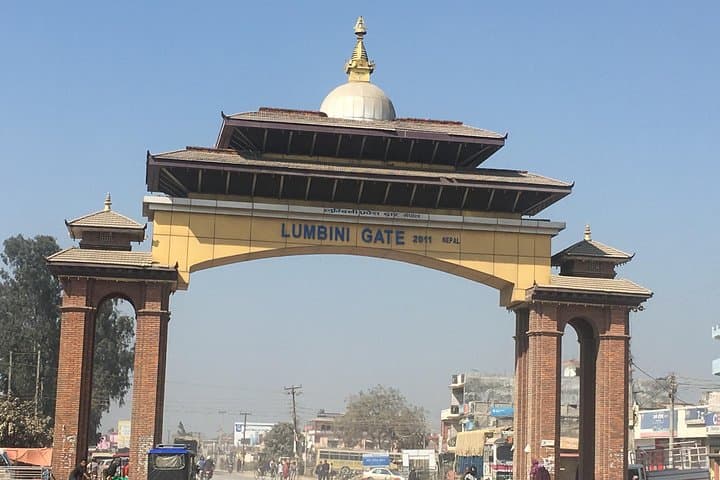
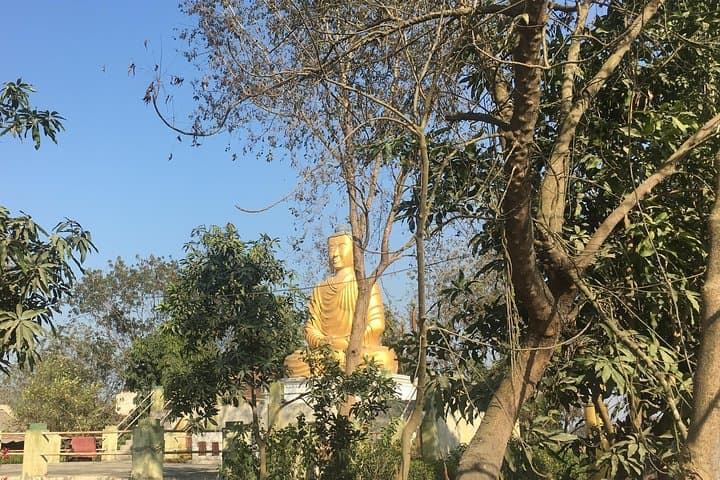
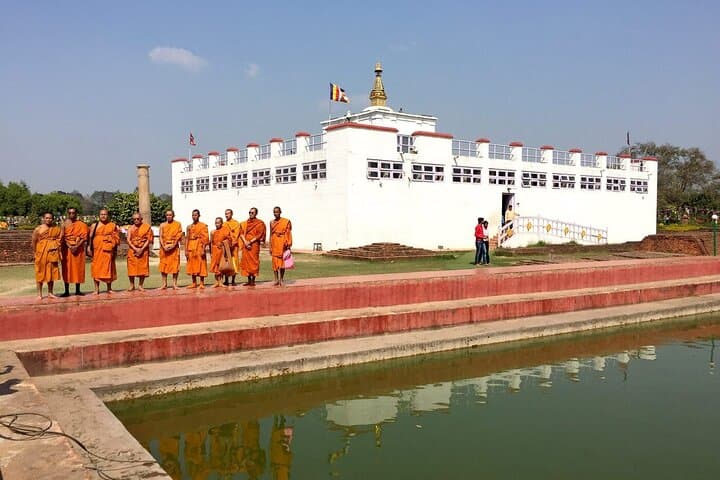
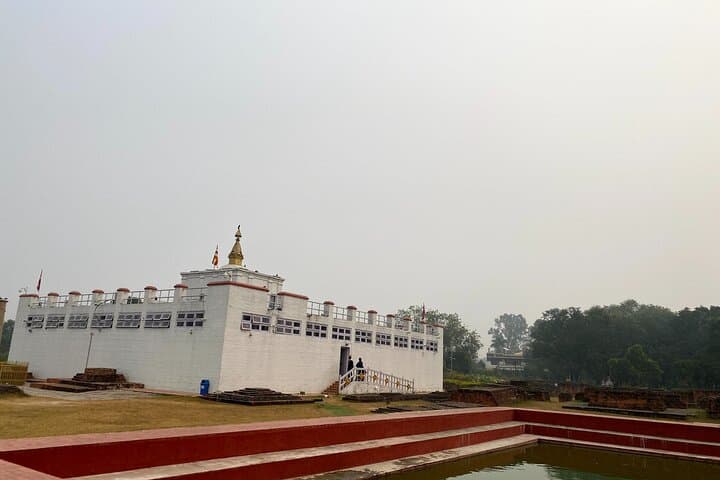
A ribbon of highway slides out of Kathmandu and, after a long day through terraced hills and river plains, the air changes — cooler, quieter, edged with the sound of prayer flags and temple bells. Arriving in Lumbini, the pilgrimage site opens as a park of broad lawns, ponds and low stone markers; the Maya Devi Temple sits at its heart, where archaeologists and pilgrims alike trace the life of Siddhartha Gautama.
A ribbon of highway slides out of Kathmandu and, after a long day through terraced hills and river plains, the air changes — cooler, quieter, edged with the sound of prayer flags and temple bells. Arriving in Lumbini, the pilgrimage site opens as a park of broad lawns, ponds and low stone markers; the Maya Devi Temple sits at its heart, where archaeologists and pilgrims alike trace the life of Siddhartha Gautama.
Lumbini’s story is both ancient and archaeological. Emperor Ashoka’s 3rd‑century BCE pillar marks imperial recognition of the site; below modern pathways lie excavated brick shrines and the ruins of monastic zones built over centuries. Geologically the plain is part of the Terai, flat alluvial land that channels monsoon water and supports tall grasses and tamarind groves. Culturally, the complex is international: national monasteries from Japan, Thailand, China and Myanmar stand as living expressions of contemporary Buddhism.
Practical guidance: the site is low‑effort walking on paved paths and lawns — allow a full day from Kathmandu if you travel by road. Respect dress codes at shrines (shoulders and knees covered) and keep voices low; photography is usually allowed but observe signs. Morning light is best for cooler temperatures and quieter meditation; afternoons can be hot in summer and muddy during monsoon. For visits to Tilaurakot and Devdaha nearby, expect short drives on secondary roads and light archaeological scrambling.
Whether you come to study history, meditate, or witness international monastic architecture, Lumbini rewards slow, respectful exploration — bring sun protection, bottled water, and time to sit by the ponds and let the place settle in.