THE ADVENTURE COLLECTIVE® · Independent discovery and booking for outdoor travel

Nine days of high-altitude trekking from Lukla to Everest Base Camp, moving through Sherpa villages, rhododendron forests and the Khumbu Glacier. This guide covers the landscape, culture, logistics and practical tips to prepare for the altitude and changing trail conditions.
Nine days of high-altitude trekking from Lukla to Everest Base Camp, moving through Sherpa villages, rhododendron forests and the Khumbu Glacier. This guide covers the landscape, culture, logistics and practical tips to prepare for the altitude and changing trail conditions.
You step off the tiny Lukla airstrip into thin, cold air and a valley that feels alive: prayer flags snap like small applause, and the Dudh Koshi river rushes below, daring you onward.
Verified experiences and guided adventures in the surrounding area.
Operated by CAN Travels · Lukla, Province No. 1
You step off the tiny Lukla airstrip into thin, cold air and a valley that feels alive: prayer flags snap like small applause, and the Dudh Koshi river rushes below, daring you onward.
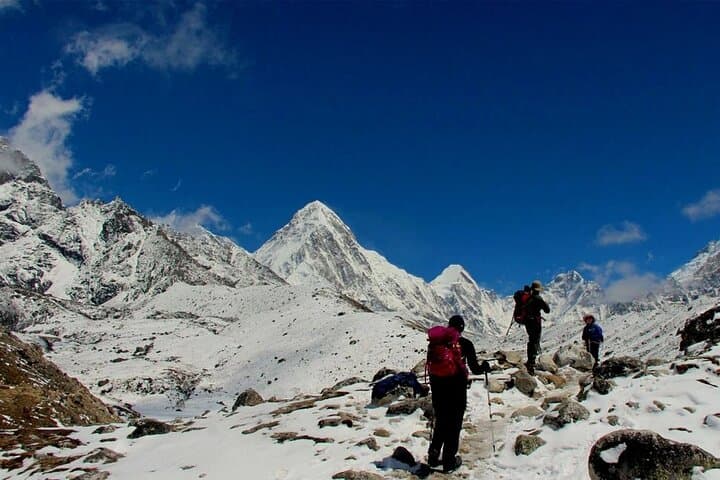
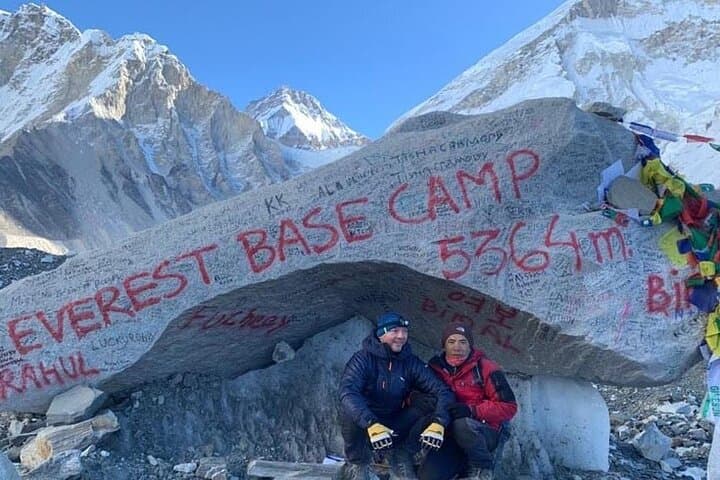
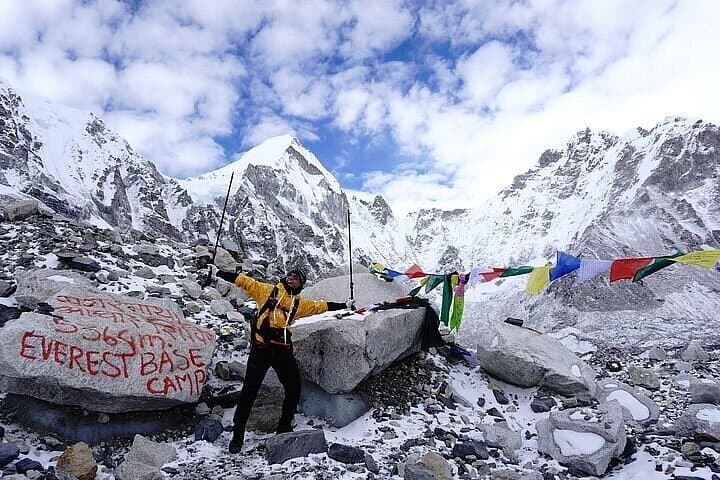
The nine-day route threads traditional Sherpa villages, suspension bridges and high moraines, climbing steadily from riverine forests to the windswept moraine of the Khumbu Glacier. Geologically, the trail follows young Himalayan uplift—granite and metamorphic strata exposed by glacial carving—so expect rocky switchbacks and glacial grey scree near Base Camp.
Culturally the trail runs through Khumbu villages where Buddhism shapes daily life: mani stones, chortens, and monasteries like Tengboche mark rest points and offer living context to each day’s effort. The route’s history is tied to mountaineering and local trade; Lukla’s airstrip and tea houses owe much to Everest-era logistics and Sherpa entrepreneurship.
Practically, plan for staged acclimatization (Namche, Dingboche), slow pacing, and cold nights in guest houses. Footwear should be broken-in, layered clothing mandatory, and cash for tea houses and tips essential. Flights into Lukla are weather-dependent—build buffer days—and altitude illness is the chief objective risk: hydrate, ascend conservatively, and communicate any symptoms to your guide.
This trek is equal parts gritty and spectacular: glacier-blue seracs on one horizon, yak caravans grazing on a slope the next. Expect long walking days (4–8 hours) on uneven trails, unforgettable sunrise views from Kala Patthar, and the steady, unglamorous work of moving up and down a high mountain community.
challenging.
8–10 days.
Requires good cardiovascular fitness and experience with multi-day hikes; ability to handle long days at altitude.
Yes—trek permits (TIMS) and Sagarmatha National Park entry are required; operators usually obtain them on your behalf.
Lukla flights are often weather-dependent and can be delayed or canceled; schedule buffer days and consider alternative routing through Kathmandu if necessary.
Altitude illness is the primary risk—monitor symptoms, ascend slowly, hydrate and descend if symptoms worsen; also watch for slips on steep or icy sections.
No technical climbing skills are required, but past multi-day trekking experience and good aerobic fitness greatly improve safety and enjoyment.
The Khumbu route has long been a trade and pilgrimage corridor; modern tourism expanded after early Everest expeditions and the construction of the Lukla airstrip.
Trek operators and park authorities monitor waste and restrict collection in Sagarmatha National Park; pack-in/pack-out, minimizing single-use plastics, and respecting local water sources helps preserve trails and villages.
CAN Travels operates guided outdoor trips and adventures with an emphasis on safety, stewardship, and memorable experiences.
You step off the tiny Lukla airstrip into thin, cold air and a valley that feels alive: prayer flags snap like small applause, and the Dudh Koshi river rushes below, daring you onward.
You step off the tiny Lukla airstrip into thin, cold air and a valley that feels alive: prayer flags snap like small applause, and the Dudh Koshi river rushes below, daring you onward.
The nine-day route threads traditional Sherpa villages, suspension bridges and high moraines, climbing steadily from riverine forests to the windswept moraine of the Khumbu Glacier. Geologically, the trail follows young Himalayan uplift—granite and metamorphic strata exposed by glacial carving—so expect rocky switchbacks and glacial grey scree near Base Camp.
Culturally the trail runs through Khumbu villages where Buddhism shapes daily life: mani stones, chortens, and monasteries like Tengboche mark rest points and offer living context to each day’s effort. The route’s history is tied to mountaineering and local trade; Lukla’s airstrip and tea houses owe much to Everest-era logistics and Sherpa entrepreneurship.
Practically, plan for staged acclimatization (Namche, Dingboche), slow pacing, and cold nights in guest houses. Footwear should be broken-in, layered clothing mandatory, and cash for tea houses and tips essential. Flights into Lukla are weather-dependent—build buffer days—and altitude illness is the chief objective risk: hydrate, ascend conservatively, and communicate any symptoms to your guide.
This trek is equal parts gritty and spectacular: glacier-blue seracs on one horizon, yak caravans grazing on a slope the next. Expect long walking days (4–8 hours) on uneven trails, unforgettable sunrise views from Kala Patthar, and the steady, unglamorous work of moving up and down a high mountain community.