THE ADVENTURE COLLECTIVE® · Independent discovery and booking for outdoor travel

Walk Lucerne’s Old Town with a local guide and cover Chapel Bridge, the Lion Monument, St. Leodegar and hidden squares in a relaxed 2–2.5 hour small-group tour. Learn history, local food tips and the best photo angles while navigating cobbles and riverside paths.
Walk Lucerne’s Old Town with a local guide and cover Chapel Bridge, the Lion Monument, St. Leodegar and hidden squares in a relaxed 2–2.5 hour small-group tour. Learn history, local food tips and the best photo angles while navigating cobbles and riverside paths.
You step off the quay and the lake exhales cool air as the Chapel Bridge’s painted panels peek between gabled roofs. Cobblestones click underneath as your small-group guide threads stories of guilds and riverside life into each turn — a physical map of Lucerne’s past that unfolds with every square and spire.
Verified experiences and guided adventures in the surrounding area.
Operated by Alpine views-Lucerne · Lucerne, Canton of Lucerne
You step off the quay and the lake exhales cool air as the Chapel Bridge’s painted panels peek between gabled roofs. Cobblestones click underneath as your small-group guide threads stories of guilds and riverside life into each turn — a physical map of Lucerne’s past that unfolds with every square and spire.
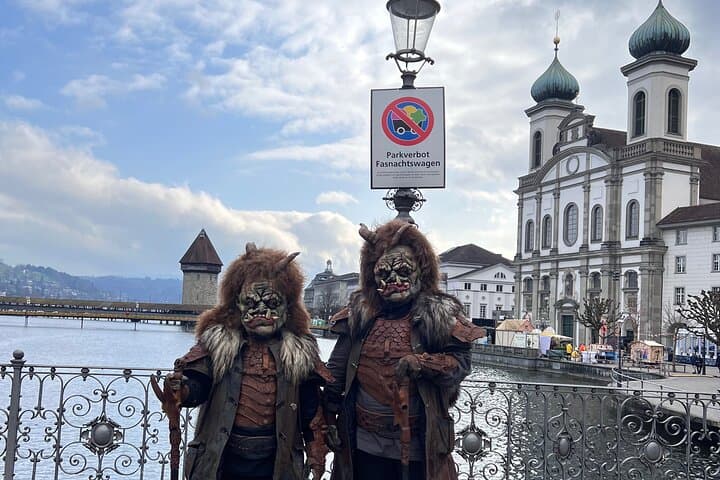
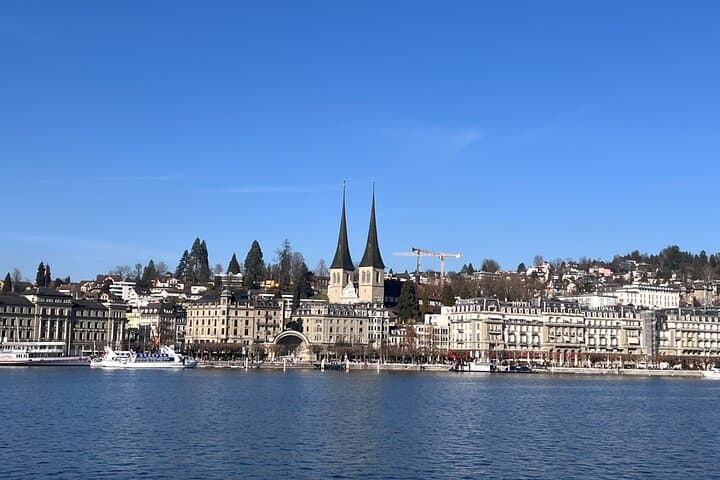
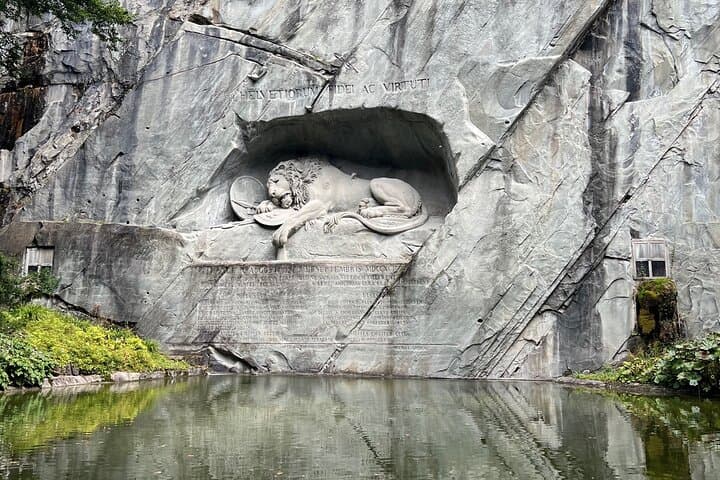
Start in the compact medieval core and move between architectural chapters: St. Leodegar’s twin towers that mix late Gothic austerity with Renaissance detail, the carved Lion Monument honoring Swiss Guards, and the baroque sweep of the Jesuit Church facing the Reuss. The Chapel Bridge (Kapellbrücke), originally built in the 14th century as part of the city’s defenses, offers a tactile link to Lucerne’s mercantile history and seasonal festivals that still shape local rhythms.
Geology here is quiet but present — the city sits where the Alps meet Lake Lucerne, and you’ll notice hard limestone façades and river-forged stones along the Reuss. Culture is immediate: centuries-old guild houses, market squares like Sternplatz, and cafes where locals argue football and politics over coffee.
Practical guidance: tours run about 2–2.5 hours on mainly flat, cobbled streets with short flights of steps. Expect frequent photo stops and walking at a relaxed pace; bring layers and comfortable shoes for uneven surfaces. Mornings are cooler and less crowded; late afternoons offer warm light on the bridge paintings. The guide will share local food tips and shortcuts to explore more after the tour — useful if you plan to continue on your own.
easy.
2–2.5 hours.
Light walking fitness; able to stand and walk 2+ hours on cobbled streets and short stair sections.
The tour lasts about 135 minutes and covers roughly 2–3 kilometers at a relaxed pace, with frequent stops for history and photos.
Stroller access is generally possible on the main route, but travelers with mobility concerns should contact the operator in advance to confirm a suitable route.
No — this walking tour provides exterior visits and commentary; entrance fees to specific sites are not included.
This is a small-group tour (max 8–9 people) led in the advertised language; check booking details for language availability and group size.
Lucerne’s Old Town grew around medieval guilds; the 14th-century Kapellbrücke was part of the city’s defensive system and later became decorated with historic paintings.
High foot traffic stresses historic wooden structures like the Chapel Bridge — stick to designated paths and avoid touching fragile paintings to help preserve them.
Alpine views-Lucerne operates guided outdoor trips and adventures with an emphasis on safety, stewardship, and memorable experiences.
You step off the quay and the lake exhales cool air as the Chapel Bridge’s painted panels peek between gabled roofs. Cobblestones click underneath as your small-group guide threads stories of guilds and riverside life into each turn — a physical map of Lucerne’s past that unfolds with every square and spire.
You step off the quay and the lake exhales cool air as the Chapel Bridge’s painted panels peek between gabled roofs. Cobblestones click underneath as your small-group guide threads stories of guilds and riverside life into each turn — a physical map of Lucerne’s past that unfolds with every square and spire.
Start in the compact medieval core and move between architectural chapters: St. Leodegar’s twin towers that mix late Gothic austerity with Renaissance detail, the carved Lion Monument honoring Swiss Guards, and the baroque sweep of the Jesuit Church facing the Reuss. The Chapel Bridge (Kapellbrücke), originally built in the 14th century as part of the city’s defenses, offers a tactile link to Lucerne’s mercantile history and seasonal festivals that still shape local rhythms.
Geology here is quiet but present — the city sits where the Alps meet Lake Lucerne, and you’ll notice hard limestone façades and river-forged stones along the Reuss. Culture is immediate: centuries-old guild houses, market squares like Sternplatz, and cafes where locals argue football and politics over coffee.
Practical guidance: tours run about 2–2.5 hours on mainly flat, cobbled streets with short flights of steps. Expect frequent photo stops and walking at a relaxed pace; bring layers and comfortable shoes for uneven surfaces. Mornings are cooler and less crowded; late afternoons offer warm light on the bridge paintings. The guide will share local food tips and shortcuts to explore more after the tour — useful if you plan to continue on your own.