THE ADVENTURE COLLECTIVE® · Independent discovery and booking for outdoor travel

See Lucerne’s Chapel Bridge, Lion Monument, and Lake Lucerne on a guided morning with extended free time to explore independently. This day trip from Zurich blends structured highlights with a written itinerary for deeper discovery.
See Lucerne’s Chapel Bridge, Lion Monument, and Lake Lucerne on a guided morning with extended free time to explore independently. This day trip from Zurich blends structured highlights with a written itinerary for deeper discovery.
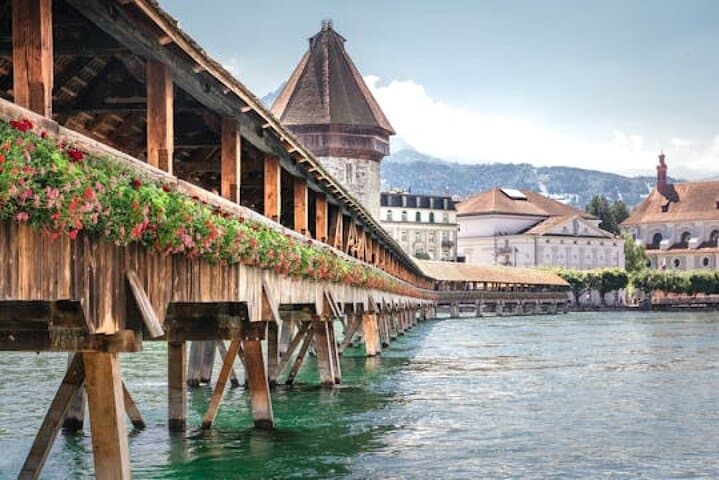
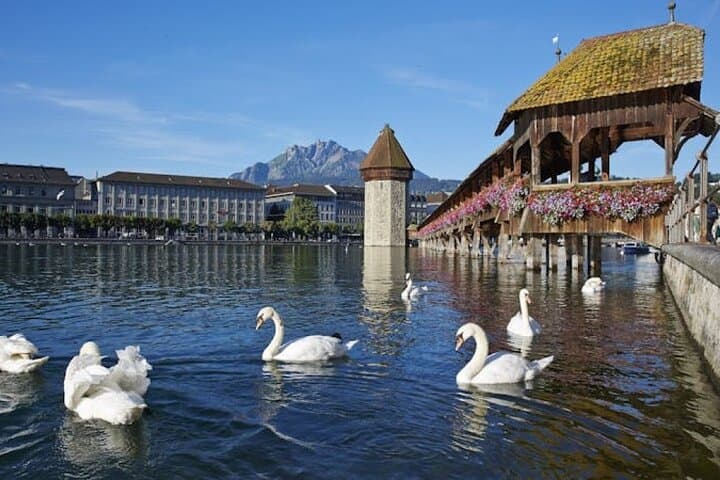
Stepping off the coach into Lucerne, the city opens like a practiced stage: the wooden slats of the Chapel Bridge cut across the river, the lake lies broad and still, and the low Alps push skyward behind stone-façaded houses. The guide’s voice frames the scene — a quick sketch of facts and routes — then gives travelers room to roam.
Verified experiences and guided adventures in the surrounding area.
Operated by TrevoTour Travels · Lucerne, Canton of Lucerne
Stepping off the coach into Lucerne, the city opens like a practiced stage: the wooden slats of the Chapel Bridge cut across the river, the lake lies broad and still, and the low Alps push skyward behind stone-façaded houses. The guide’s voice frames the scene — a quick sketch of facts and routes — then gives travelers room to roam.
This route threads medieval and modern history: the Chapel Bridge dates to the 14th century and still bears the angled paintings that once recorded city lore; the Lion Monument, carved for fallen Swiss Guards, freezes a moment of 18th-century grief in stone. Geologically, the city sits where glacial meltwater pooled to form Lake Lucerne, and the surrounding ridges are part of the northern Alpine front, their folded limestone sculpting the lakeshore’s steep shoulders.
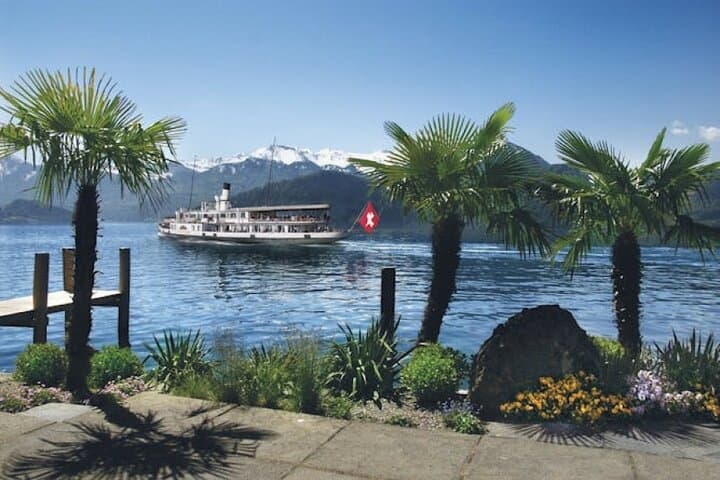
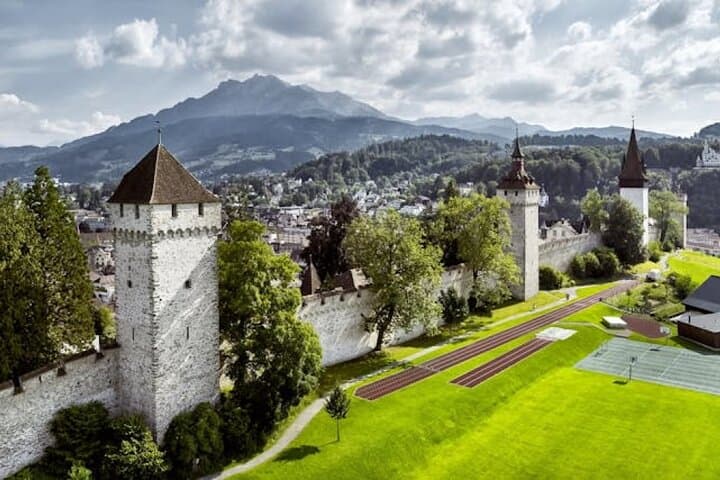
Local culture favors measured appreciation: relaxed lakeside cafés, strict Sunday shop hours in some quarters, and a civic pride visible in clean promenades and preserved fortifications. Visitors can wander the narrow alleys, climb a Musegg tower for city views, or take the ferry for a different angle on the mountains.
Practical guidance: wear comfortable walking shoes, allot 8–9 hours including transport from Zurich, and plan for variable mountain weather with layers and a rain shell. Bring a refillable bottle and small change; some independent shops still prefer cash. If staying longer, follow the provided written itinerary to stretch the day into an overnight exploration of quieter streets and off-peak viewpoints.
easy.
8–9 hours (including transport).
Suitable for most fitness levels; involves several short walks and some stair/climb sections in Old Town or museum stairs.
Yes—the tour includes round-trip coach transport; total outing time accounts for travel to and from Zurich.
Yes—participants receive a written itinerary for independent exploration and can remain in Lucerne before returning on the coach if arrangements allow.
No—meals and attraction admissions are not included; the tour provides free time so guests can choose sites to visit and dine independently.
The tour notes wheelchair accessibility for the coach and many promenades, but some historic sites have stairs—contact the operator for specific accessibility needs.
Lucerne’s Chapel Bridge dates to the 14th century and the Lion Monument commemorates Swiss Guards killed during the French Revolution.
The city manages heavy tourism by maintaining clean promenades and enforcing litter rules; visitors are encouraged to use public transport and minimize single-use plastics.
TrevoTour Travels operates guided outdoor trips and adventures with an emphasis on safety, stewardship, and memorable experiences.
Stepping off the coach into Lucerne, the city opens like a practiced stage: the wooden slats of the Chapel Bridge cut across the river, the lake lies broad and still, and the low Alps push skyward behind stone-façaded houses. The guide’s voice frames the scene — a quick sketch of facts and routes — then gives travelers room to roam.
Stepping off the coach into Lucerne, the city opens like a practiced stage: the wooden slats of the Chapel Bridge cut across the river, the lake lies broad and still, and the low Alps push skyward behind stone-façaded houses. The guide’s voice frames the scene — a quick sketch of facts and routes — then gives travelers room to roam.
This route threads medieval and modern history: the Chapel Bridge dates to the 14th century and still bears the angled paintings that once recorded city lore; the Lion Monument, carved for fallen Swiss Guards, freezes a moment of 18th-century grief in stone. Geologically, the city sits where glacial meltwater pooled to form Lake Lucerne, and the surrounding ridges are part of the northern Alpine front, their folded limestone sculpting the lakeshore’s steep shoulders.
Local culture favors measured appreciation: relaxed lakeside cafés, strict Sunday shop hours in some quarters, and a civic pride visible in clean promenades and preserved fortifications. Visitors can wander the narrow alleys, climb a Musegg tower for city views, or take the ferry for a different angle on the mountains.
Practical guidance: wear comfortable walking shoes, allot 8–9 hours including transport from Zurich, and plan for variable mountain weather with layers and a rain shell. Bring a refillable bottle and small change; some independent shops still prefer cash. If staying longer, follow the provided written itinerary to stretch the day into an overnight exploration of quieter streets and off-peak viewpoints.