THE ADVENTURE COLLECTIVE® · Independent discovery and booking for outdoor travel

Ride Europe’s oldest cogwheel train from Vitznau to Mt. Rigi, cruise across Lake Lucerne and explore medieval Lucerne in a single day. This guided day trip pairs smooth logistics with panoramic alpine scenery—ideal for travelers based in Zurich or Lucerne.
Ride Europe’s oldest cogwheel train from Vitznau to Mt. Rigi, cruise across Lake Lucerne and explore medieval Lucerne in a single day. This guided day trip pairs smooth logistics with panoramic alpine scenery—ideal for travelers based in Zurich or Lucerne.
You step off a Mercedes beside Lake Lucerne as morning light pins the peaks in silver, the water daring you to look away. The cogwheel train’s low rumble begins in Vitznau, and slowly the valley unwinds below—patchwork meadows, sleepy chalets, and the blue ribbon of the lake stretching toward Lucerne.
Verified experiences and guided adventures in the surrounding area.
Operated by Sierra Luxury Services · Lucerne, Canton of Lucerne
You step off a Mercedes beside Lake Lucerne as morning light pins the peaks in silver, the water daring you to look away. The cogwheel train’s low rumble begins in Vitznau, and slowly the valley unwinds below—patchwork meadows, sleepy chalets, and the blue ribbon of the lake stretching toward Lucerne.
This corridor between lake and summit has long been a crossroads: medieval Lucerne grew around trade on the Reuss River, while Mt. Rigi’s slopes record glacial sculpting from the last ice age. The cogwheel railway, opened in the 19th century, is Europe’s oldest mountain rack railway and was a milestone in alpine tourism, linking lakeside towns to high-altitude views.
Culture here mixes German-speaking Swiss traditions, pastoral agriculture, and a tourism history visible in hotels and lakeside promenades. Geologically, Rigi is a limestone massif with rounded crests and gentle ridgelines, offering broad panoramas rather than knife-edge climbs.
Practical guidance: bring layered clothing—the summit is often several degrees cooler and windier than the lake. Allow time for short walks from the station to viewpoints; trails are mostly well-graded but can be rocky after rain. Boats on Lake Lucerne run frequently but check schedules; combined boat-plus-train tickets simplify logistics. Mobility is mostly easy to moderate: expect stairs at stations and cobbled streets in Lucerne.
Whether you chase sunrise over the Alps or prefer a relaxed lakeside afternoon, this day trip packs reliable infrastructure, unforgettable views, and a compact taste of central Switzerland’s landscape and history.
moderate.
9 hours.
Moderate; be comfortable walking short distances, climbing stairs and standing for viewpoints
The standard itinerary includes a scheduled boat crossing of Lake Lucerne between Vitznau and Lucerne as part of the tour.
The cogwheel train provides motorized ascent—no technical skills required; expect mild platform stairs and boardings.
Yes—stroller access and infant seats are available, but parents should account for boat boarding and short walks.
Dress in layers with a warm mid-layer and windproof outer layer; comfortable shoes are recommended for uneven surfaces.
Lucerne expanded in the medieval period as a trading and defensive hub; the Rigi railway, opened in 1871, helped pioneer alpine tourism by connecting lakeshore towns to mountain summits.
The Rigi and Lake Lucerne area are managed for sustainable tourism—stay on marked trails, pack out litter, and respect grazing lands to protect fragile alpine habitats.
Sierra Luxury Services operates guided outdoor trips and adventures with an emphasis on safety, stewardship, and memorable experiences.
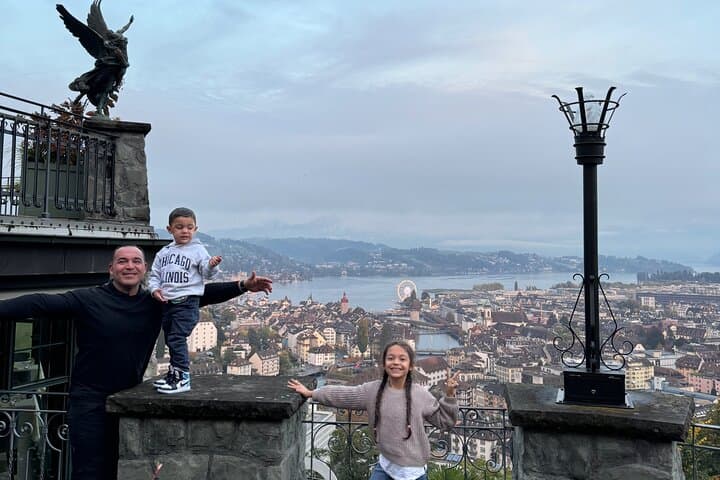
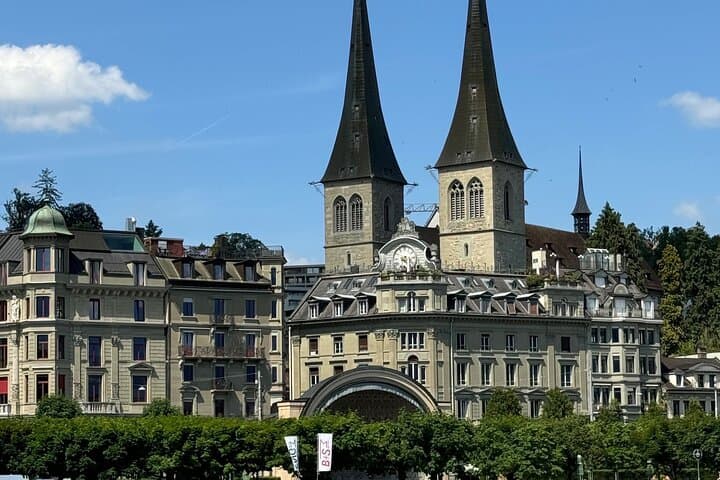
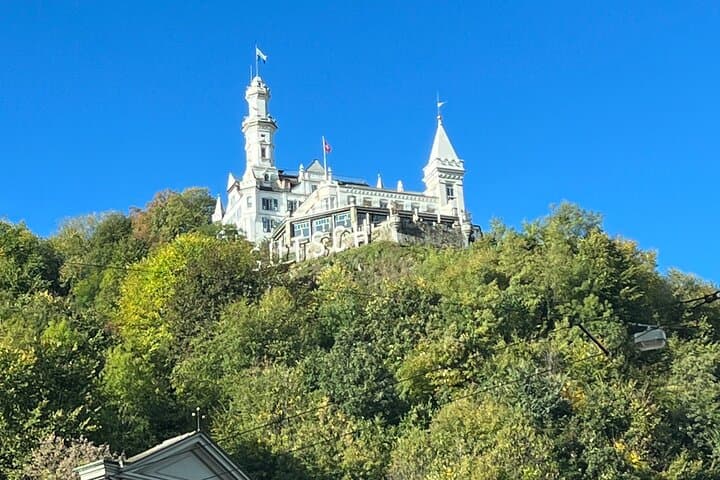
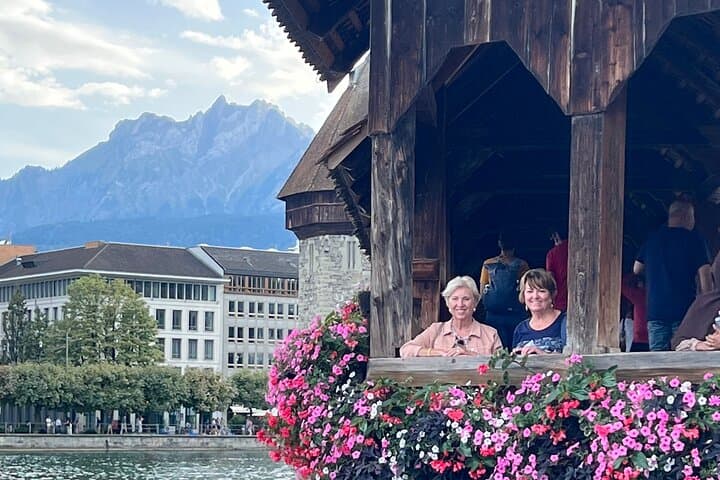
You step off a Mercedes beside Lake Lucerne as morning light pins the peaks in silver, the water daring you to look away. The cogwheel train’s low rumble begins in Vitznau, and slowly the valley unwinds below—patchwork meadows, sleepy chalets, and the blue ribbon of the lake stretching toward Lucerne.
You step off a Mercedes beside Lake Lucerne as morning light pins the peaks in silver, the water daring you to look away. The cogwheel train’s low rumble begins in Vitznau, and slowly the valley unwinds below—patchwork meadows, sleepy chalets, and the blue ribbon of the lake stretching toward Lucerne.
This corridor between lake and summit has long been a crossroads: medieval Lucerne grew around trade on the Reuss River, while Mt. Rigi’s slopes record glacial sculpting from the last ice age. The cogwheel railway, opened in the 19th century, is Europe’s oldest mountain rack railway and was a milestone in alpine tourism, linking lakeside towns to high-altitude views.
Culture here mixes German-speaking Swiss traditions, pastoral agriculture, and a tourism history visible in hotels and lakeside promenades. Geologically, Rigi is a limestone massif with rounded crests and gentle ridgelines, offering broad panoramas rather than knife-edge climbs.
Practical guidance: bring layered clothing—the summit is often several degrees cooler and windier than the lake. Allow time for short walks from the station to viewpoints; trails are mostly well-graded but can be rocky after rain. Boats on Lake Lucerne run frequently but check schedules; combined boat-plus-train tickets simplify logistics. Mobility is mostly easy to moderate: expect stairs at stations and cobbled streets in Lucerne.
Whether you chase sunrise over the Alps or prefer a relaxed lakeside afternoon, this day trip packs reliable infrastructure, unforgettable views, and a compact taste of central Switzerland’s landscape and history.