THE ADVENTURE COLLECTIVE® · Independent discovery and booking for outdoor travel

Spend a five-hour morning or afternoon exploring Gordes, Roussillon and the Abbey of Sénanque on a small-group tour from Avignon. Expect ochre cliffs, medieval architecture and seasonal lavender photo stops with an experienced local guide.
Spend a five-hour morning or afternoon exploring Gordes, Roussillon and the Abbey of Sénanque on a small-group tour from Avignon. Expect ochre cliffs, medieval architecture and seasonal lavender photo stops with an experienced local guide.
You arrive from Avignon as the lane opens onto a square of sun-bleached stone and a breeze that carries thyme and lavender. The minivan eases up and the guide points toward houses built into the hill: Gordes sits high and composed, Roussillon glows in ochre, and the Abbey of Sénanque rests in a narrow valley like a quiet, ancient slow-breathing presence.
Verified experiences and guided adventures in the surrounding area.
Operated by Time 4 Provence.H · Avignon, Provence-Alpes-Côte d'Azur
You arrive from Avignon as the lane opens onto a square of sun-bleached stone and a breeze that carries thyme and lavender. The minivan eases up and the guide points toward houses built into the hill: Gordes sits high and composed, Roussillon glows in ochre, and the Abbey of Sénanque rests in a narrow valley like a quiet, ancient slow-breathing presence.
The route traces Provençal history — Roman roads gave way to medieval terraces, and Cistercian monks shaped the valley's fields from the 12th century. Geology here is obvious: ochre deposits and soft sandstone have colored façades and cliffs for centuries; you’ll notice the earthy reds at Roussillon where old quarries exposed layers of oxidized iron and clay.
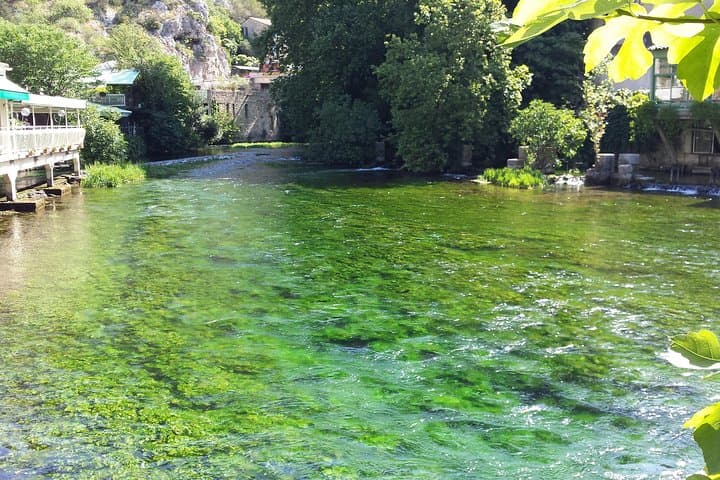
Culture is visible in small ways: shutters painted blue, market rhythms, and the persistence of lavender farming. Nature acts with character — the Fontaine can be a meek spring or a sudden torrent after rainy spells, and summer cicadas will insistently announce the heat.
Practical guidance: the tour is a 5-hour, small-group outing with short walks on cobbled lanes and uneven trails; comfortable shoes and sun protection are non-negotiable. Peak lavender photos are mid-June to mid-July — expect crowds then. Bring water (bottled water is provided) and a light jacket for windier ridges. Mobility is generally easy but some stepped streets in Gordes and Roussillon are steep; plan arrival in Avignon with enough time for the meeting point in front of the tourist office. This half-day run-through gives a tight, scenic primer on Luberon’s geology, monastic history, and the pigment-rich villages that make Provence unmistakable.
easy.
5 hours.
Suitable for travelers in average fitness; involves short walks and standing during photo stops.
The tour meets in front of the Avignon Tourist Office in the city center; allow extra time for arrival and traffic.
Lavender typically peaks mid-June through mid-July; the tour includes a photo stop during that window but cannot guarantee views if weather or harvest timing shifts.
Infant seats are available and strollers can be used on van transfers, but some village streets have steps and narrow lanes that limit stroller access.
For a full refund cancel at least 24 hours before departure; cancellations within 24 hours are not refundable and the tour may be canceled if minimum attendance isn’t met.
The Abbey of Sénanque dates to the 12th century and illustrates the Cistercian imprint on Provençal agriculture and landscape management.
Stick to marked paths in Roussillon’s ochre sites to avoid erosion; avoid trampling lavender fields and support local producers when possible.
Time 4 Provence.H operates guided outdoor trips and adventures with an emphasis on safety, stewardship, and memorable experiences.


You arrive from Avignon as the lane opens onto a square of sun-bleached stone and a breeze that carries thyme and lavender. The minivan eases up and the guide points toward houses built into the hill: Gordes sits high and composed, Roussillon glows in ochre, and the Abbey of Sénanque rests in a narrow valley like a quiet, ancient slow-breathing presence.
You arrive from Avignon as the lane opens onto a square of sun-bleached stone and a breeze that carries thyme and lavender. The minivan eases up and the guide points toward houses built into the hill: Gordes sits high and composed, Roussillon glows in ochre, and the Abbey of Sénanque rests in a narrow valley like a quiet, ancient slow-breathing presence.
The route traces Provençal history — Roman roads gave way to medieval terraces, and Cistercian monks shaped the valley's fields from the 12th century. Geology here is obvious: ochre deposits and soft sandstone have colored façades and cliffs for centuries; you’ll notice the earthy reds at Roussillon where old quarries exposed layers of oxidized iron and clay.
Culture is visible in small ways: shutters painted blue, market rhythms, and the persistence of lavender farming. Nature acts with character — the Fontaine can be a meek spring or a sudden torrent after rainy spells, and summer cicadas will insistently announce the heat.
Practical guidance: the tour is a 5-hour, small-group outing with short walks on cobbled lanes and uneven trails; comfortable shoes and sun protection are non-negotiable. Peak lavender photos are mid-June to mid-July — expect crowds then. Bring water (bottled water is provided) and a light jacket for windier ridges. Mobility is generally easy but some stepped streets in Gordes and Roussillon are steep; plan arrival in Avignon with enough time for the meeting point in front of the tourist office. This half-day run-through gives a tight, scenic primer on Luberon’s geology, monastic history, and the pigment-rich villages that make Provence unmistakable.