THE ADVENTURE COLLECTIVE® · Independent discovery and booking for outdoor travel

Drive from Avignon into the Luberon to stand among purple rows of lavender, visit Gordes and Roussillon, and learn how Provence’s essential oil is made on a small-group half-day tour.
Drive from Avignon into the Luberon to stand among purple rows of lavender, visit Gordes and Roussillon, and learn how Provence’s essential oil is made on a small-group half-day tour.
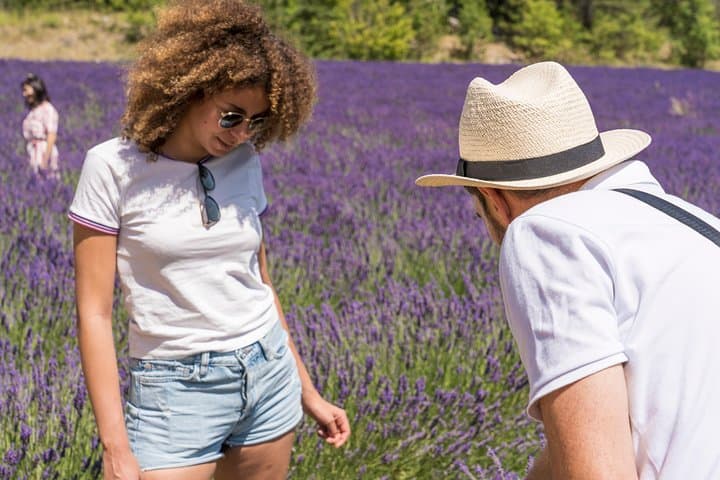
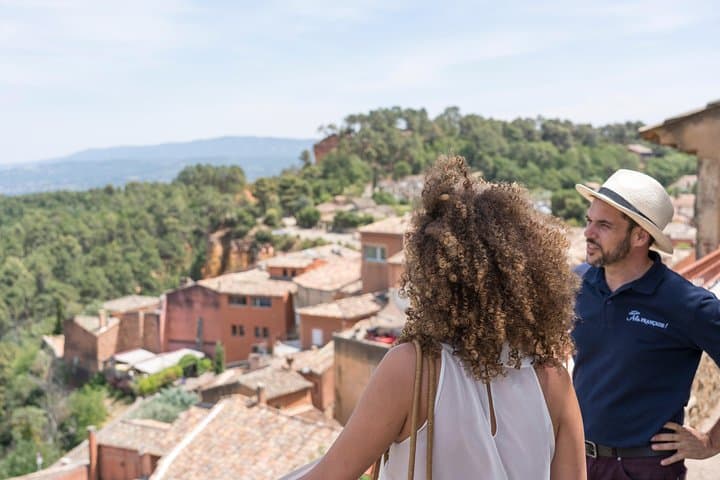
The minivan eases onto a sunbaked lane and the air changes—lavender pushes its scent through the windows and the hills ahead roll in bands of purple. You stop at a panorama above Gordes; the stone village crouches on a ridge while rows of lavender lay out like a cultivated ocean. Cameras click; the guide points out the distillation fields where the essential oil is born.
Verified experiences and guided adventures in the surrounding area.
Operated by A la Francaise Tourisme · Avignon, Provence-Alpes-Côte d'Azur
The minivan eases onto a sunbaked lane and the air changes—lavender pushes its scent through the windows and the hills ahead roll in bands of purple. You stop at a panorama above Gordes; the stone village crouches on a ridge while rows of lavender lay out like a cultivated ocean. Cameras click; the guide points out the distillation fields where the essential oil is born.
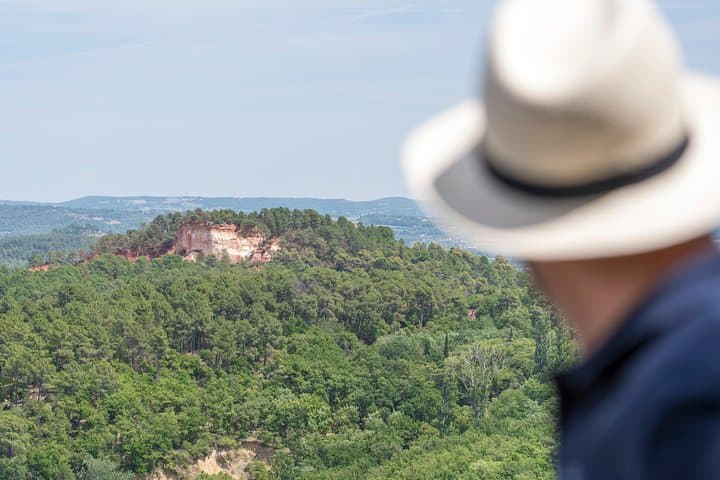
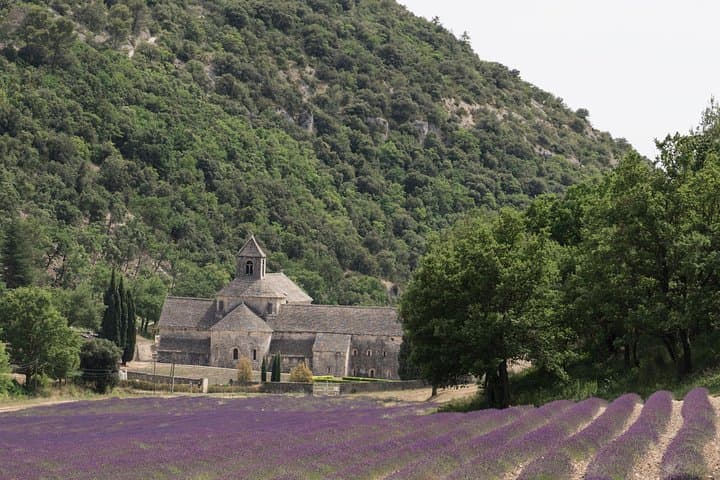
This part of Provence has grown lavender commercially since the 19th century, a crop shaped by limestone soils and a Mediterranean climate. The Luberon’s ochre cliffs at Roussillon tell a different geological story—iron-rich earth and old quarries that contrast with the pale stone of Gordes and the shaded valley that cradles Abbaye de Sénanque. Local culture still orbits small-scale farming: family distilleries, village markets, and shops selling sachets and hydrosols.
On a half-day tour from Avignon you’ll get timed stops for photos, a walk through bloom-edge fields, a short lesson on distillation and essential oils, and free time in Roussillon to browse local lavender products. Light walking on farm tracks and paved village streets is typical; children under four are usually not permitted.
Practical tips: go early or late in the day to avoid peak sun, wear closed shoes for uneven farm tracks, bring a refillable water bottle, and stay on paths—trampling reduces future yields. Bloom timing varies by altitude and season, so confirm dates before booking. For photographers, backlight at golden hour gives the best depth and color.
easy.
5 hours.
Minimal fitness required—light walking and short standing stops; suitable for most adults in good health.
Lavender typically blooms from late June to mid-July at lower elevations; higher fields can peak later—check local bloom reports before booking.
Abbey admission is generally not included on this tour; the itinerary lists a photo stop and short visit but entrance fees may be separate.
Children are welcome but children under four are usually not permitted; the pace includes some standing and short walks, so consider age and stamina.
Tours may be canceled for poor weather or if lavender isn’t in bloom; the operator typically offers a refund if canceled 24+ hours beforehand.
Lavender cultivation expanded in Provence in the 19th century with improvements in distillation; the Luberon villages grew around stone quarries and small farms.
Respect cropping patterns and local farmers by staying on paths, buying local products to support sustainable practices, and avoiding littering around fields.
A la Francaise Tourisme operates guided outdoor trips and adventures with an emphasis on safety, stewardship, and memorable experiences.
The minivan eases onto a sunbaked lane and the air changes—lavender pushes its scent through the windows and the hills ahead roll in bands of purple. You stop at a panorama above Gordes; the stone village crouches on a ridge while rows of lavender lay out like a cultivated ocean. Cameras click; the guide points out the distillation fields where the essential oil is born.
The minivan eases onto a sunbaked lane and the air changes—lavender pushes its scent through the windows and the hills ahead roll in bands of purple. You stop at a panorama above Gordes; the stone village crouches on a ridge while rows of lavender lay out like a cultivated ocean. Cameras click; the guide points out the distillation fields where the essential oil is born.
This part of Provence has grown lavender commercially since the 19th century, a crop shaped by limestone soils and a Mediterranean climate. The Luberon’s ochre cliffs at Roussillon tell a different geological story—iron-rich earth and old quarries that contrast with the pale stone of Gordes and the shaded valley that cradles Abbaye de Sénanque. Local culture still orbits small-scale farming: family distilleries, village markets, and shops selling sachets and hydrosols.
On a half-day tour from Avignon you’ll get timed stops for photos, a walk through bloom-edge fields, a short lesson on distillation and essential oils, and free time in Roussillon to browse local lavender products. Light walking on farm tracks and paved village streets is typical; children under four are usually not permitted.
Practical tips: go early or late in the day to avoid peak sun, wear closed shoes for uneven farm tracks, bring a refillable water bottle, and stay on paths—trampling reduces future yields. Bloom timing varies by altitude and season, so confirm dates before booking. For photographers, backlight at golden hour gives the best depth and color.