
Luberon Hilltop Villages Day Tour: Gordes, Bonnieux, Roussillon & Sénanque
Spend a full day exploring the Luberon’s most dramatic hilltop villages—Gordes, Bonnieux, Roussillon and the 12th‑century Sénanque Abbey—on a guided minivan tour that blends geology, history and Provencal culture. Expect cobbled lanes, ochre cliffs and lavender distilleries with moderate walking between viewpoints.
An Adventure In Aix-en-Provence.
Spend a full day exploring the Luberon’s most dramatic hilltop villages—Gordes, Bonnieux, Roussillon and the 12th‑century Sénanque Abbey—on a guided minivan tour that blends geology, history and Provencal culture. Expect cobbled lanes, ochre cliffs and lavender distilleries with moderate walking between viewpoints.
Read the full experience
A low-slung minivan snakes through lavender-scented fields, and by midmorning you climb toward a village that perches on limestone like a lookout. Stone roofs, narrow lanes and terraces open into sudden panoramas—the kind of views that make you pause and take the map out again to confirm reality.
A low-slung minivan snakes through lavender-scented fields, and by midmorning you climb toward a village that perches on limestone like a lookout. Stone roofs, narrow lanes and terraces open into sudden panoramas—the kind of views that make you pause and take the map out again to confirm reality.
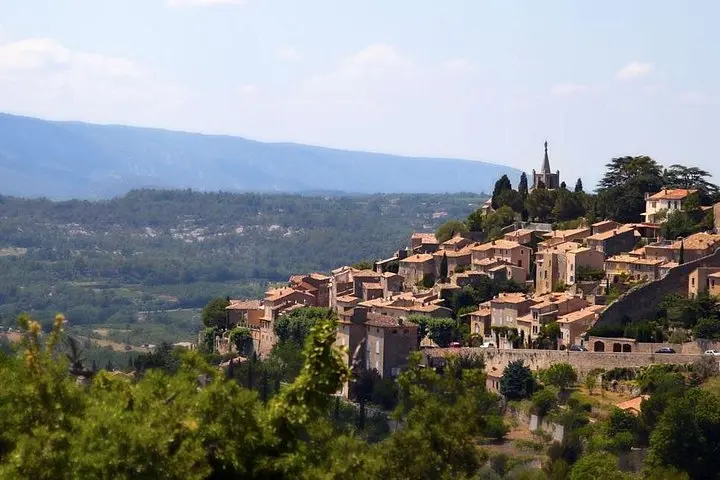
These hilltop villages grew where defensible rock met fertile valleys. Gordes sits on a rocky outcrop with a Renaissance château; Bonnieux crowns a ridge with sweepingly open views of the Luberon valley; Roussillon strips the earth down to ochre and burnt-sienna cliffs from centuries of pigment mining; the abbey of Sénanque, founded in the 12th century, still frames lavender fields in perfect perspective. Geologically the Luberon is limestone folded into ridges and scarred by ochre-bearing clay—terrain that shaped settlement patterns and local crafts.
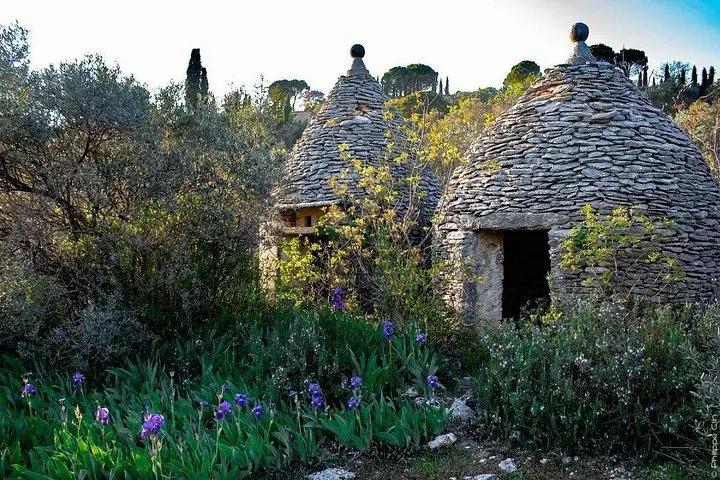
Culture here is tactile: stone masonry, olive oil, market stalls of lavender products and simple Provencal cuisine. A short stop at a lavender distillery shows how steam and time draw fragrance from fields into bottles.
Practical guidance: expect cobbled streets and short but steep walks—good ankle support helps. Tour pacing is a full day (about eight hours) with multiple short stops; bring water, sun protection, and a light layer for breezy hilltops. Photography windows change with light—arrive early in Gordes for clearer air, save Roussillon for mid-afternoon when reds warm. If you’d rather linger, skip the optional restaurant and pick a village terrace for quicker service. The route is ideal for travelers comfortable with moderate walking and eager to combine history, geology and small-village life in one active day.
Frequently asked questions
The tour includes several short to moderate walks through village streets and viewpoints—expect 10–30 minutes of walking at each stop, with some uphill sections.
Lunch at a typical Provencal restaurant is optional; the tour includes a stop where you can purchase a meal or choose a quicker café option.
Private tour transport offers hotel and port pickup and drop‑off; large luggage is not necessary for a day tour but you can store items in the minivan during stops.
Lavender bloom is seasonal (typically late June–July) and while the abbey is accessible year‑round, fields may not be in flower outside peak summer.
About This Experience
provence amazing tours operates guided outdoor trips and adventures with an emphasis on safety, stewardship, and memorable experiences.
Adventure tips
Recommended gear
- Sturdy walking shoes: Protects ankles and provides traction on cobbled slopes.
- Sun hat and sunscreen: Essential for exposed terraces and open lavender fields.
- Light waterproof layer: Spring mornings and hilltop breezes can be cool or damp.
- Small daypack: Carries water, camera, purchases from markets and a spare layer.
Photos of the experience

Related adventures & guides
Read the full experience
A low-slung minivan snakes through lavender-scented fields, and by midmorning you climb toward a village that perches on limestone like a lookout. Stone roofs, narrow lanes and terraces open into sudden panoramas—the kind of views that make you pause and take the map out again to confirm reality.
A low-slung minivan snakes through lavender-scented fields, and by midmorning you climb toward a village that perches on limestone like a lookout. Stone roofs, narrow lanes and terraces open into sudden panoramas—the kind of views that make you pause and take the map out again to confirm reality.
These hilltop villages grew where defensible rock met fertile valleys. Gordes sits on a rocky outcrop with a Renaissance château; Bonnieux crowns a ridge with sweepingly open views of the Luberon valley; Roussillon strips the earth down to ochre and burnt-sienna cliffs from centuries of pigment mining; the abbey of Sénanque, founded in the 12th century, still frames lavender fields in perfect perspective. Geologically the Luberon is limestone folded into ridges and scarred by ochre-bearing clay—terrain that shaped settlement patterns and local crafts.
Culture here is tactile: stone masonry, olive oil, market stalls of lavender products and simple Provencal cuisine. A short stop at a lavender distillery shows how steam and time draw fragrance from fields into bottles.
Practical guidance: expect cobbled streets and short but steep walks—good ankle support helps. Tour pacing is a full day (about eight hours) with multiple short stops; bring water, sun protection, and a light layer for breezy hilltops. Photography windows change with light—arrive early in Gordes for clearer air, save Roussillon for mid-afternoon when reds warm. If you’d rather linger, skip the optional restaurant and pick a village terrace for quicker service. The route is ideal for travelers comfortable with moderate walking and eager to combine history, geology and small-village life in one active day.
Make a day of it nearby.
Verified experiences and guided adventures in the surrounding area.