THE ADVENTURE COLLECTIVE® · Independent discovery and booking for outdoor travel

Arrive from Kiel and spend a day exploring Lübeck’s red-brick Gothic landmarks, from the Holsten Gate to St. Mary’s Church, with a local guide and free time to shop, snack and sightsee. This shore excursion combines history, architecture and practical logistics—guaranteed return to ship.
Arrive from Kiel and spend a day exploring Lübeck’s red-brick Gothic landmarks, from the Holsten Gate to St. Mary’s Church, with a local guide and free time to shop, snack and sightsee. This shore excursion combines history, architecture and practical logistics—guaranteed return to ship.
You step from the cruise gangway into the brisk North German air, board an air-conditioned coach and watch Kiel's harbor recede as the countryside opens into glints of the Trave River. Within an hour you can see Lübeck's red-brick skyline punctured by twin church towers—an unmistakable sign you’ve arrived at one of the Baltic’s great medieval ports.
Verified experiences and guided adventures in the surrounding area.
Operated by Vexperio · Lübeck, Schleswig-Holstein
You step from the cruise gangway into the brisk North German air, board an air-conditioned coach and watch Kiel's harbor recede as the countryside opens into glints of the Trave River. Within an hour you can see Lübeck's red-brick skyline punctured by twin church towers—an unmistakable sign you’ve arrived at one of the Baltic’s great medieval ports.
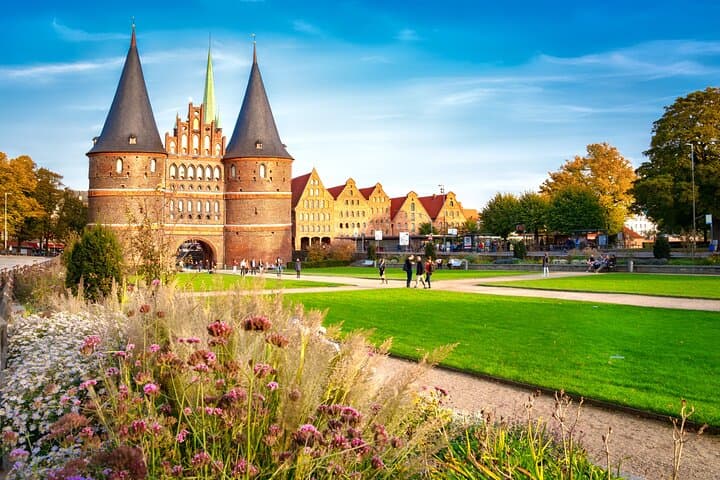
Lübeck grew wealthy as a leading city of the Hanseatic League; its Holsten Gate (Holstentor), built in 1464, still guards the western approach like a carved memory of trade and maritime law. St. Mary’s Church follows in brick-Gothic scale—the tallest brick vault in the world—an architectural ancestor to many Baltic churches. Walkable by design, the old town sits on an island surrounded by the Trave, where narrow streets, merchants’ houses, and marzipan shops tell stories of salt, timber and long-distance commerce. Literary figures such as Thomas Mann and Günter Grass drew on Lübeck’s civic culture in their work, and small museums preserve that civic life.
Practicalities matter here: this is a guided shore excursion with guaranteed return to your ship and about seven hours total. Expect guided stops at Holstentor, the market square, the Town Hall and St. Mary’s, plus roughly 60–120 minutes free to explore. Wear comfortable walking shoes for cobbles, bring passport/cruise paperwork, a light rain layer and local currency or card for snacks and souvenirs. Plan your free time around museums’ opening hours and allow 10–15 minutes extra for narrow streets and photo stops. The route is largely flat, family-friendly and paced to deliver a compact but thorough introduction to Lübeck’s Hanseatic heart.
easy.
7 hours.
A moderate baseline of mobility is needed to stand and walk for guided segments and on cobbles; accessible for most cruise passengers.
The tour is approximately 7 hours (420 minutes) with guaranteed return to Kiel port; operators monitor ship schedules to ensure timely arrival.
Lunch is not included; you’ll have free time to sample local cuisine or buy snacks—most restaurants accept cards but small stalls may prefer cash.
The tour is stroller-accessible and suitable for people with moderate mobility, but it involves walking on cobbles and some steps; check specific accessibility needs with the operator beforehand.
If your ship cannot dock the operator offers a full refund as stated in the tour inclusions and cancellation policy.
Lübeck was a leading Hanseatic city whose wealth from Baltic trade shaped its red-brick Gothic architecture; the old town is a UNESCO World Heritage site.
The old town’s narrow streets and fragile brickwork are sensitive to heavy foot traffic—stay on marked paths, support local conservation funds, and avoid touching historic facades.
Vexperio operates guided outdoor trips and adventures with an emphasis on safety, stewardship, and memorable experiences.
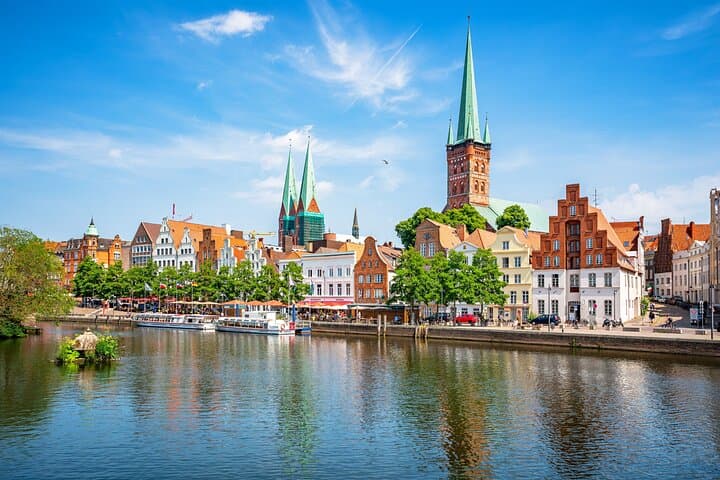
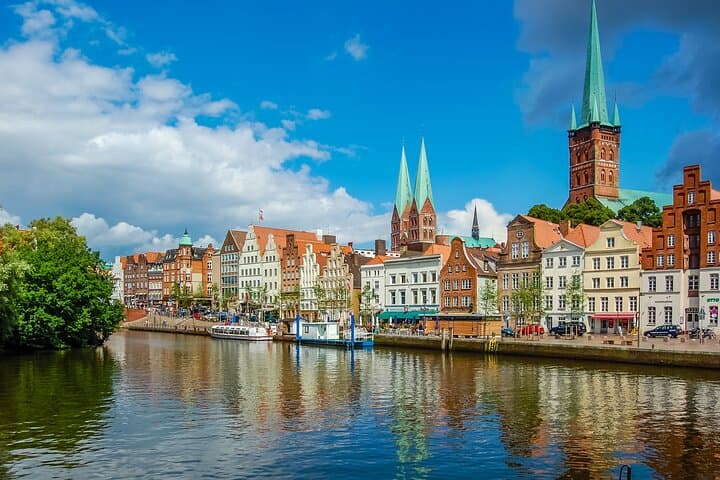
You step from the cruise gangway into the brisk North German air, board an air-conditioned coach and watch Kiel's harbor recede as the countryside opens into glints of the Trave River. Within an hour you can see Lübeck's red-brick skyline punctured by twin church towers—an unmistakable sign you’ve arrived at one of the Baltic’s great medieval ports.
You step from the cruise gangway into the brisk North German air, board an air-conditioned coach and watch Kiel's harbor recede as the countryside opens into glints of the Trave River. Within an hour you can see Lübeck's red-brick skyline punctured by twin church towers—an unmistakable sign you’ve arrived at one of the Baltic’s great medieval ports.
Lübeck grew wealthy as a leading city of the Hanseatic League; its Holsten Gate (Holstentor), built in 1464, still guards the western approach like a carved memory of trade and maritime law. St. Mary’s Church follows in brick-Gothic scale—the tallest brick vault in the world—an architectural ancestor to many Baltic churches. Walkable by design, the old town sits on an island surrounded by the Trave, where narrow streets, merchants’ houses, and marzipan shops tell stories of salt, timber and long-distance commerce. Literary figures such as Thomas Mann and Günter Grass drew on Lübeck’s civic culture in their work, and small museums preserve that civic life.
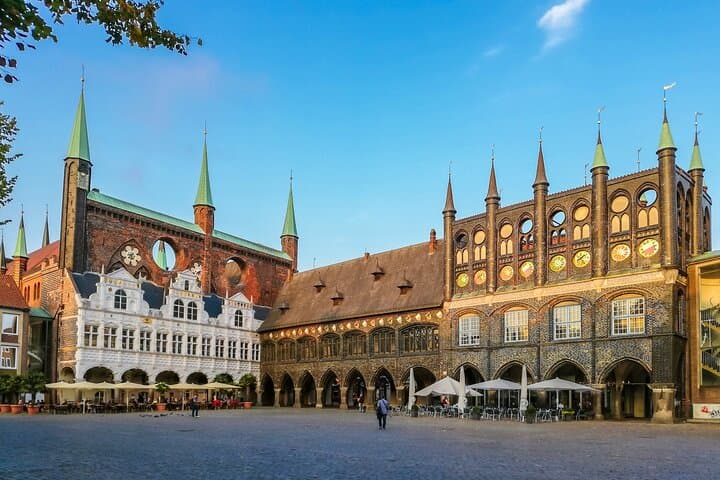
Practicalities matter here: this is a guided shore excursion with guaranteed return to your ship and about seven hours total. Expect guided stops at Holstentor, the market square, the Town Hall and St. Mary’s, plus roughly 60–120 minutes free to explore. Wear comfortable walking shoes for cobbles, bring passport/cruise paperwork, a light rain layer and local currency or card for snacks and souvenirs. Plan your free time around museums’ opening hours and allow 10–15 minutes extra for narrow streets and photo stops. The route is largely flat, family-friendly and paced to deliver a compact but thorough introduction to Lübeck’s Hanseatic heart.