THE ADVENTURE COLLECTIVE® · Independent discovery and booking for outdoor travel

Explore Luang Prabang in a single, thoughtfully paced day: the Royal Palace, key temples like Wat Xieng Thong and Wat Visoun, a museum of hill‑tribe culture, and sunset from Mount Phousi. This guided tour pairs cultural context with tuk‑tuk logistics for a straightforward introduction to the city.
Explore Luang Prabang in a single, thoughtfully paced day: the Royal Palace, key temples like Wat Xieng Thong and Wat Visoun, a museum of hill‑tribe culture, and sunset from Mount Phousi. This guided tour pairs cultural context with tuk‑tuk logistics for a straightforward introduction to the city.
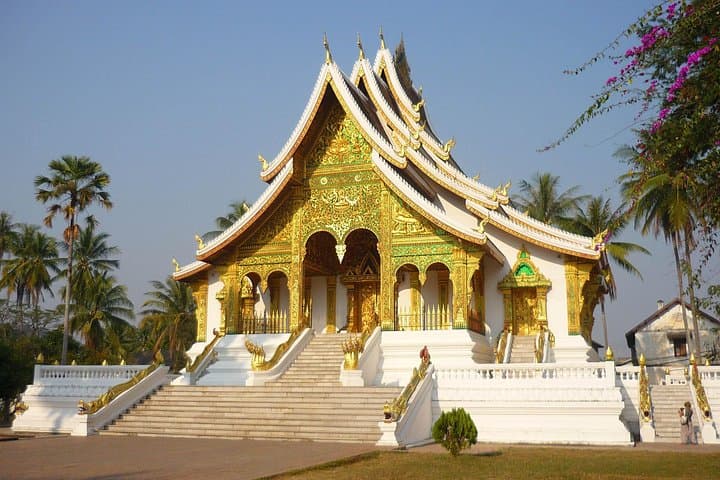
You step off a tuk‑tuk into a slow city where the Mekong pushes past timeworn steps and gilded roofs catch the sun. The first hour is inside the former Royal Palace — lacquered rooms, historical artifacts and a riverfront courtyard that frames Mount Phousi. From there the tour threads through temple courtyards, alleyways of artisans and a museum that catalogs the lives of Laos’ hill‑tribes.
Verified experiences and guided adventures in the surrounding area.
Operated by Bravo Indochina Tours · Luang Prabang, Luang Prabang Province
You step off a tuk‑tuk into a slow city where the Mekong pushes past timeworn steps and gilded roofs catch the sun. The first hour is inside the former Royal Palace — lacquered rooms, historical artifacts and a riverfront courtyard that frames Mount Phousi. From there the tour threads through temple courtyards, alleyways of artisans and a museum that catalogs the lives of Laos’ hill‑tribes.
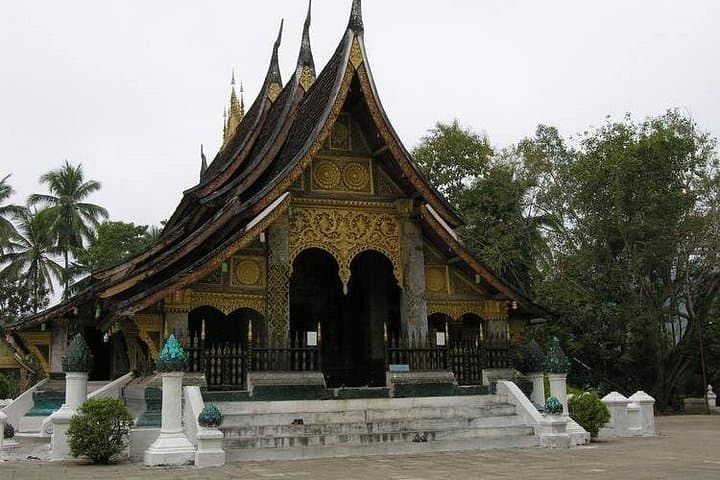
Luang Prabang’s layout follows geography and history: a narrow peninsula between the Mekong and Nam Khan rivers, formed by alluvial deposits and low, rounded hills. Wat Xieng Thong (built 1560) and Wat Visoun (rebuilt 1887) reveal layers of Lao Buddhist art—mosaics, bas‑reliefs and the famously whimsical Watermelon Stupa. The Traditional Arts and Ethnology Centre gives cultural context, with textiles and tools that trace upland trade and colonial-era change.
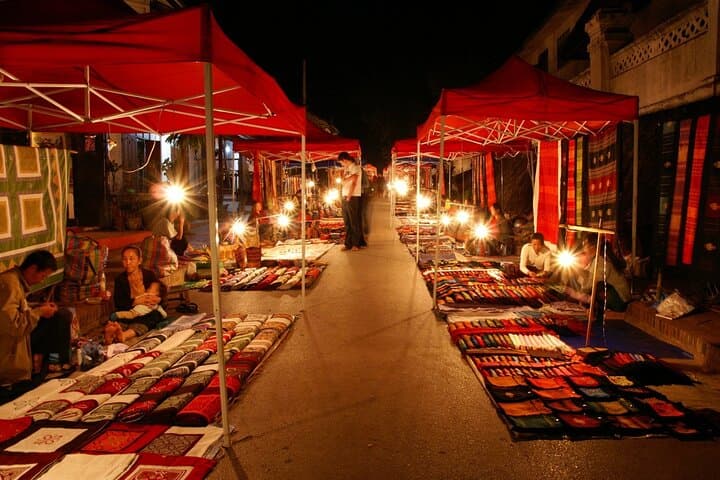
Culturally, expect soft‑spoken guides, morning alms rituals nearby (observe respectfully), and an evening market where hill‑tribe vendors sell woven sleeves and silver. Practically, this is a walk‑forward day: around 6–8 hours with moderate walking, short stair climbs (Mount Phousi ≈328 steps for sunset), and tuk‑tuk transfers included. Wear breathable shoes, carry water, and budget small notes for temple donations and market purchases.
Timing matters—start early to avoid midday heat and finish toward sunset for the best riverside light. The tour suits visitors who want a compact, organized introduction to Luang Prabang’s architecture, living traditions and riverside rhythms.
easy.
6–8 hours.
Suitable for most fitness levels; expect multiple short walks, stair climbs (including ~328 steps at Mount Phousi) and standing during museum and temple visits.
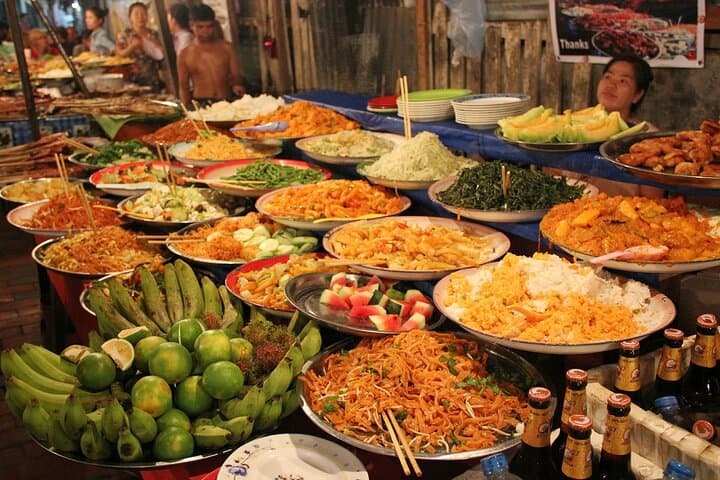
Yes — the tour price includes lunch, typically a local restaurant meal showcasing Lao dishes.
Admissions listed in the itinerary (Royal Palace, selected temples, and the Traditional Arts and Ethnology Centre) are included, though small temple donations are customary and not part of the fee.
This is a shared tour with a maximum of seven travelers; tuk‑tuk hotel pickup and drop‑off is provided.
Minimum age is 2; the tour is classified easy but includes stairs and walking—those with limited mobility should check specific access and may find some sites challenging.
Luang Prabang served as the royal capital of Laos until 1975; Wat Xieng Thong dates to 1560 and showcases classic Lao temple art. The Traditional Arts and Ethnology Centre documents the country’s diverse upland ethnic groups.
Support local artisans by buying directly at markets, avoid feeding wildlife or primates at temples, and minimize single‑use plastics to protect river and town ecosystems.
Bravo Indochina Tours operates guided outdoor trips and adventures with an emphasis on safety, stewardship, and memorable experiences.
You step off a tuk‑tuk into a slow city where the Mekong pushes past timeworn steps and gilded roofs catch the sun. The first hour is inside the former Royal Palace — lacquered rooms, historical artifacts and a riverfront courtyard that frames Mount Phousi. From there the tour threads through temple courtyards, alleyways of artisans and a museum that catalogs the lives of Laos’ hill‑tribes.
You step off a tuk‑tuk into a slow city where the Mekong pushes past timeworn steps and gilded roofs catch the sun. The first hour is inside the former Royal Palace — lacquered rooms, historical artifacts and a riverfront courtyard that frames Mount Phousi. From there the tour threads through temple courtyards, alleyways of artisans and a museum that catalogs the lives of Laos’ hill‑tribes.
Luang Prabang’s layout follows geography and history: a narrow peninsula between the Mekong and Nam Khan rivers, formed by alluvial deposits and low, rounded hills. Wat Xieng Thong (built 1560) and Wat Visoun (rebuilt 1887) reveal layers of Lao Buddhist art—mosaics, bas‑reliefs and the famously whimsical Watermelon Stupa. The Traditional Arts and Ethnology Centre gives cultural context, with textiles and tools that trace upland trade and colonial-era change.
Culturally, expect soft‑spoken guides, morning alms rituals nearby (observe respectfully), and an evening market where hill‑tribe vendors sell woven sleeves and silver. Practically, this is a walk‑forward day: around 6–8 hours with moderate walking, short stair climbs (Mount Phousi ≈328 steps for sunset), and tuk‑tuk transfers included. Wear breathable shoes, carry water, and budget small notes for temple donations and market purchases.
Timing matters—start early to avoid midday heat and finish toward sunset for the best riverside light. The tour suits visitors who want a compact, organized introduction to Luang Prabang’s architecture, living traditions and riverside rhythms.