THE ADVENTURE COLLECTIVE® · Independent discovery and booking for outdoor travel

Float a gentle stretch of the Lower Salt River beneath saguaros and cottonwoods, where guided rafts deliver close wildlife sightings — from river otters to wild horses — in about 2.5 hours. This guided trip balances easy paddling with rich desert riparian habitat and practical support for first-time rafters.
Float a gentle stretch of the Lower Salt River beneath saguaros and cottonwoods, where guided rafts deliver close wildlife sightings — from river otters to wild horses — in about 2.5 hours. This guided trip balances easy paddling with rich desert riparian habitat and practical support for first-time rafters.
The raft slips away from the shore with a soft, desert hush: cacti stand like patient sentries along the bank while the current tugs you downriver. Sunlight slants across low mesas, and somewhere ahead a group of wild horses lifts their heads, ears twitching as if deciding whether you are worth the bother. On the Lower Salt River, the landscape does the approaching slowly — the water nudges, the cottonwoods whisper, and the guide points out a great blue heron that folds into the reeds like punctuation.
Verified experiences and guided adventures in the surrounding area.
Operated by Saguaro Lake Ranch, Inc. · Mesa, Arizona
The raft slips away from the shore with a soft, desert hush: cacti stand like patient sentries along the bank while the current tugs you downriver. Sunlight slants across low mesas, and somewhere ahead a group of wild horses lifts their heads, ears twitching as if deciding whether you are worth the bother. On the Lower Salt River, the landscape does the approaching slowly — the water nudges, the cottonwoods whisper, and the guide points out a great blue heron that folds into the reeds like punctuation.
This is not whitewater adrenaline; it's a measured float through a segment of the Salt River that has carried water and life across central Arizona for millennia. The Lower Salt runs through the eastern edge of Tonto National Forest, a region shaped by volcanic uplifts and ancient river channels. Indigenous people, including the Hohokam ancestors, relied on these river corridors; later, the river became a working artery for irrigation and ranching. Today the river corridor supports desert riparian habitat unusual in this arid landscape — cottonwoods, willows, and a surprising density of wildlife.
Guided rafts in this section emphasize quiet observation as much as comfort: the crews carry bottled water and snacks, set a steady pace over roughly 2.5 hours, and shuttle small groups through bends where the river narrows and then breathes out again into wide, reflective pools. Expect to see river otters sliding through backwater, great blue herons in patient poses, and the iconic wild horses that patrol the flats. The geology reads like a slow-motion story — basalt and granite outcrops give way to sandbars sprayed with desert succulents.
Practical details anchor the ease of the trip. Trips run approximately 150 minutes; physical demands are light (no paddling technique required for most guided floats). Guides handle navigation and safety briefings, but participants should arrive 15 minutes early, sign waivers electronically beforehand, and note that trips require a minimum of four people to operate. The operator provides bottled water and snacks; still, bring a refillable bottle, sun protection, and footwear that can get wet.
Seasonal timing matters: spring and fall offer comfortable temperatures and active wildlife; summer brings intense sun and higher river flows, so morning departures are best; winter is mild but can be chilly on shaded stretches. Respect the river — do not approach or feed wildlife, and follow guide instructions when approaching popular viewing bends.
If you go, leave time after the float to stroll a short riverbank trail or to watch the light change on the mesas. The Lower Salt is quiet company: it asks only that you pay attention. In return it gives clear water, close wildlife encounters, and a desert river scene that feels more like discovery than a checklist.
easy.
2–3 hours.
Suitable for most fitness levels — minimal exertion required; ability to step in and out of a raft recommended.
No — guided Lower Salt River trips are designed for first-timers and families; guides handle navigation and safety instructions.
Yes, but policies vary by operator; check minimum age and ensure kids can sit safely in the raft and wear a life jacket.
Common sightings include wild horses, river otters, great blue herons, and raptors like bald eagles; sightings aren’t guaranteed.
Quick-dry shorts or pants, a moisture-wicking shirt, water shoes, hat, and sun protection; bring a light layer for cooler mornings.
Trips are not recommended for pregnant travelers or people with serious spinal injuries — consult the operator for specifics and alternatives.
Most operators meet at a kayak/raft check-in near Saguaro Lakeshore or a designated launch; parking is usually available but arrive 15 minutes early to check in and sign waivers.
The Lower Salt River corridor runs through lands long used by ancestral and modern Indigenous communities; later it supported ranching and irrigation projects that shaped local settlement.
The river’s health depends on responsible recreation — stay on guided routes, pack out trash, and never feed wildlife; support local conservation groups that monitor water quality and habitat.
Saguaro Lake Ranch, Inc. operates guided outdoor trips and adventures with an emphasis on safety, stewardship, and memorable experiences.
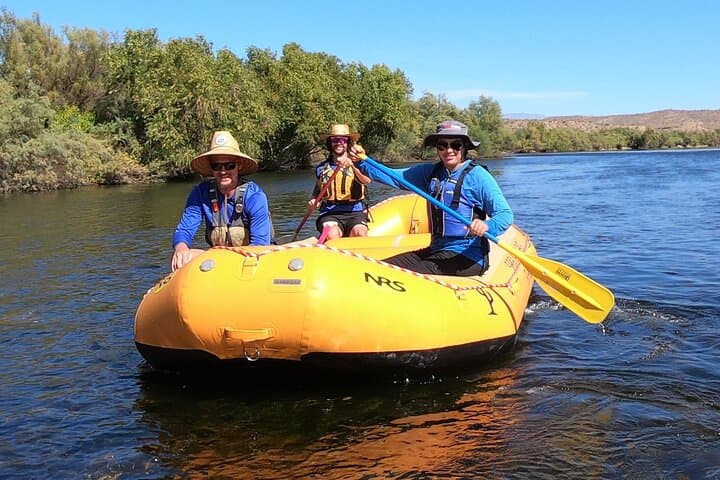
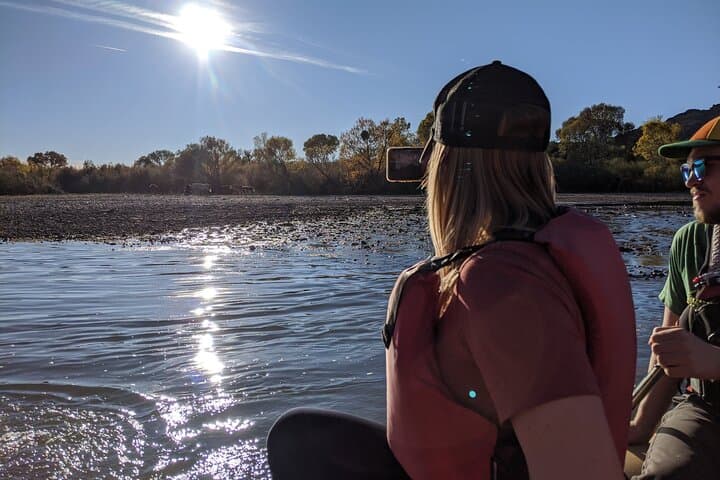
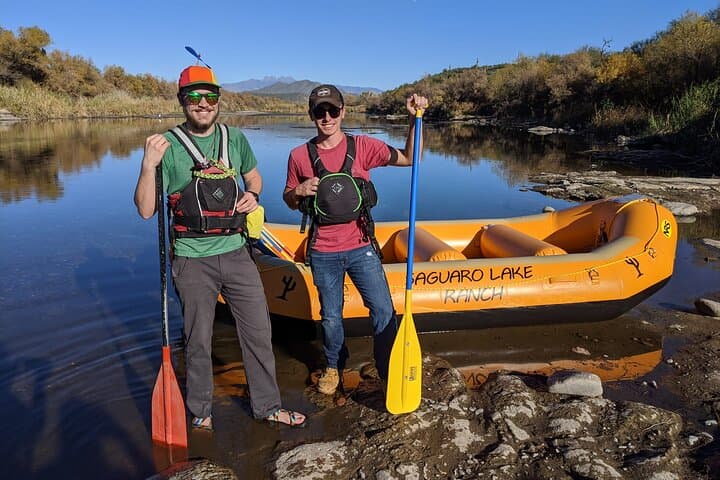
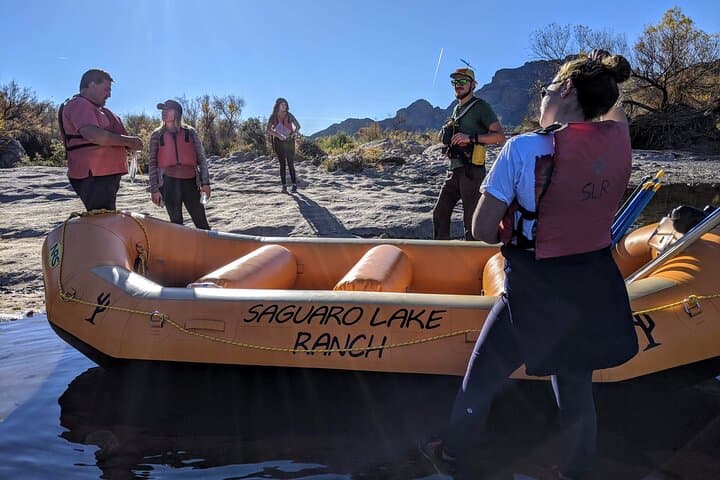
The raft slips away from the shore with a soft, desert hush: cacti stand like patient sentries along the bank while the current tugs you downriver. Sunlight slants across low mesas, and somewhere ahead a group of wild horses lifts their heads, ears twitching as if deciding whether you are worth the bother. On the Lower Salt River, the landscape does the approaching slowly — the water nudges, the cottonwoods whisper, and the guide points out a great blue heron that folds into the reeds like punctuation.
The raft slips away from the shore with a soft, desert hush: cacti stand like patient sentries along the bank while the current tugs you downriver. Sunlight slants across low mesas, and somewhere ahead a group of wild horses lifts their heads, ears twitching as if deciding whether you are worth the bother. On the Lower Salt River, the landscape does the approaching slowly — the water nudges, the cottonwoods whisper, and the guide points out a great blue heron that folds into the reeds like punctuation.
This is not whitewater adrenaline; it's a measured float through a segment of the Salt River that has carried water and life across central Arizona for millennia. The Lower Salt runs through the eastern edge of Tonto National Forest, a region shaped by volcanic uplifts and ancient river channels. Indigenous people, including the Hohokam ancestors, relied on these river corridors; later, the river became a working artery for irrigation and ranching. Today the river corridor supports desert riparian habitat unusual in this arid landscape — cottonwoods, willows, and a surprising density of wildlife.
Guided rafts in this section emphasize quiet observation as much as comfort: the crews carry bottled water and snacks, set a steady pace over roughly 2.5 hours, and shuttle small groups through bends where the river narrows and then breathes out again into wide, reflective pools. Expect to see river otters sliding through backwater, great blue herons in patient poses, and the iconic wild horses that patrol the flats. The geology reads like a slow-motion story — basalt and granite outcrops give way to sandbars sprayed with desert succulents.
Practical details anchor the ease of the trip. Trips run approximately 150 minutes; physical demands are light (no paddling technique required for most guided floats). Guides handle navigation and safety briefings, but participants should arrive 15 minutes early, sign waivers electronically beforehand, and note that trips require a minimum of four people to operate. The operator provides bottled water and snacks; still, bring a refillable bottle, sun protection, and footwear that can get wet.
Seasonal timing matters: spring and fall offer comfortable temperatures and active wildlife; summer brings intense sun and higher river flows, so morning departures are best; winter is mild but can be chilly on shaded stretches. Respect the river — do not approach or feed wildlife, and follow guide instructions when approaching popular viewing bends.
If you go, leave time after the float to stroll a short riverbank trail or to watch the light change on the mesas. The Lower Salt is quiet company: it asks only that you pay attention. In return it gives clear water, close wildlife encounters, and a desert river scene that feels more like discovery than a checklist.