THE ADVENTURE COLLECTIVE® · Independent discovery and booking for outdoor travel

Traverse the Lower Omo Valley over four days from Jinka to Arbaminch, meeting Hamer, Karo, Mursi and other tribes, exploring riverine birdlife and remote markets. This trip blends rugged overland travel with direct cultural encounters — bring adaptability and respect.
Traverse the Lower Omo Valley over four days from Jinka to Arbaminch, meeting Hamer, Karo, Mursi and other tribes, exploring riverine birdlife and remote markets. This trip blends rugged overland travel with direct cultural encounters — bring adaptability and respect.
You step off the small plane at Jinka and the air changes — dust and dry grass, a low scrub dotted with baobabs and the distant chatter of market traders. Over four days the landscape shifts from river ribbon to arid delta, and the rhythm of travel becomes daily negotiation: long drives over rough graded tracks, short walks into villages, and evenings around camp or small lodges under wide skies.
Verified experiences and guided adventures in the surrounding area.
Operated by Omo Adventures · Jinka, Southern Nations, Nationalities, and Peoples' Region
You step off the small plane at Jinka and the air changes — dust and dry grass, a low scrub dotted with baobabs and the distant chatter of market traders. Over four days the landscape shifts from river ribbon to arid delta, and the rhythm of travel becomes daily negotiation: long drives over rough graded tracks, short walks into villages, and evenings around camp or small lodges under wide skies.
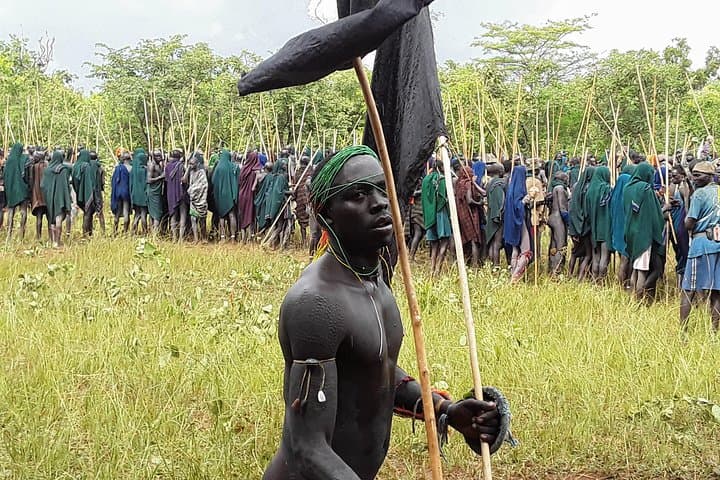
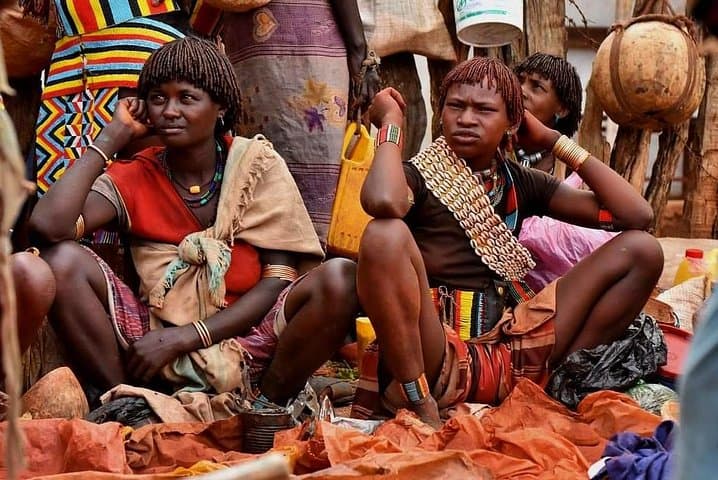
The Lower Omo Valley is a living archive of human diversity. Geologically it sits along the Great Rift Valley; the soils and river floodplains sustain fishing and agro-pastoral cultures. Hamer, Karo, Mursi, Bana, Nyangatom and Arbore communities maintain distinctive dress, scarification and market traditions that date generations back — markets at Key Afer, Dimeka and Turmi are social centers as much as commerce. Birdlife along the Omo and at Lake Turkana is abundant; seasonal floods shape both settlement and subsistence.
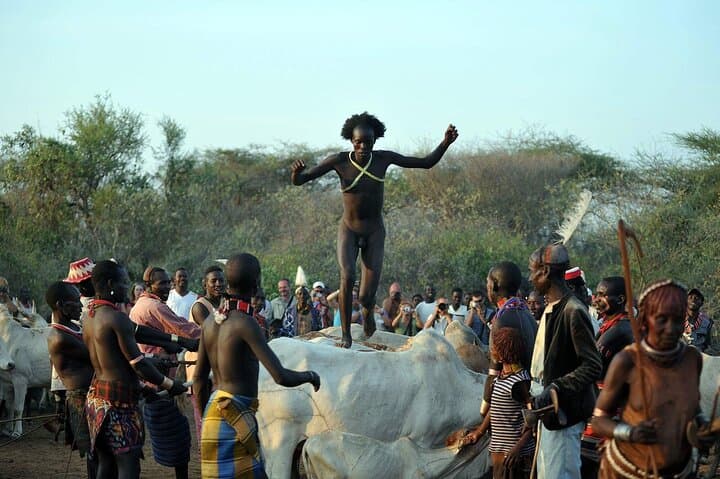
Practically, this trip is about remote logistics as much as culture. Expect long drives in a sturdy 4x4, basic to comfortable lodgings, and at least one night camping. Bring cash for market purchases and modest photography fees; respect village protocols and ask before photographing people. Hydrate constantly in the heat, wear sun protection, and plan travel outside heavy rains when unpaved roads can become impassable. The reward is direct contact — markets alive with barter, fishermen on reed boats, and the rare chance to witness cultural practices that persist in a fast-changing region.
moderate.
4 days.
Suitable for travelers in reasonable health who can manage short village walks on uneven ground and sit through long vehicle transfers.
No special government permits are usually required for tourist entry to villages, but local guides manage permissions and any photography fees; always travel with an experienced operator.
Operators commonly run private or small-group tours; solo travelers should use established guides, follow local advice, and avoid walking alone after dark in towns.
Bring malaria prophylaxis as advised by your doctor, ensure routine vaccinations are current, and pack a basic first-aid kit and any prescription meds.
The supplier notes accessibility for wheelchairs in parts, but the terrain and vehicle transfers include uneven surfaces; check specifics with the operator before booking.
The Lower Omo has long been a crossroads of Nilotic and Cushitic peoples; its river basin supported ancient migration routes and rich cultural exchange tied to the Rift Valley.
Growing tourism brings income but also pressure on water resources and traditional lands; choose operators that pay village fees, respect photo protocols, and minimize waste.
Omo Adventures operates guided outdoor trips and adventures with an emphasis on safety, stewardship, and memorable experiences.
You step off the small plane at Jinka and the air changes — dust and dry grass, a low scrub dotted with baobabs and the distant chatter of market traders. Over four days the landscape shifts from river ribbon to arid delta, and the rhythm of travel becomes daily negotiation: long drives over rough graded tracks, short walks into villages, and evenings around camp or small lodges under wide skies.
You step off the small plane at Jinka and the air changes — dust and dry grass, a low scrub dotted with baobabs and the distant chatter of market traders. Over four days the landscape shifts from river ribbon to arid delta, and the rhythm of travel becomes daily negotiation: long drives over rough graded tracks, short walks into villages, and evenings around camp or small lodges under wide skies.
The Lower Omo Valley is a living archive of human diversity. Geologically it sits along the Great Rift Valley; the soils and river floodplains sustain fishing and agro-pastoral cultures. Hamer, Karo, Mursi, Bana, Nyangatom and Arbore communities maintain distinctive dress, scarification and market traditions that date generations back — markets at Key Afer, Dimeka and Turmi are social centers as much as commerce. Birdlife along the Omo and at Lake Turkana is abundant; seasonal floods shape both settlement and subsistence.
Practically, this trip is about remote logistics as much as culture. Expect long drives in a sturdy 4x4, basic to comfortable lodgings, and at least one night camping. Bring cash for market purchases and modest photography fees; respect village protocols and ask before photographing people. Hydrate constantly in the heat, wear sun protection, and plan travel outside heavy rains when unpaved roads can become impassable. The reward is direct contact — markets alive with barter, fishermen on reed boats, and the rare chance to witness cultural practices that persist in a fast-changing region.