THE ADVENTURE COLLECTIVE® · Independent discovery and booking for outdoor travel

Cross winds and ancient trade paths define the Lower Mustang Trek: a 9-day route from Jomsom to Muktinath through arid cliffs, Tibetan-influenced villages, and high mountain views. Expect steady days of 3–6 hours, teahouse stays, and altitude gains to 3,800 m.
Cross winds and ancient trade paths define the Lower Mustang Trek: a 9-day route from Jomsom to Muktinath through arid cliffs, Tibetan-influenced villages, and high mountain views. Expect steady days of 3–6 hours, teahouse stays, and altitude gains to 3,800 m.
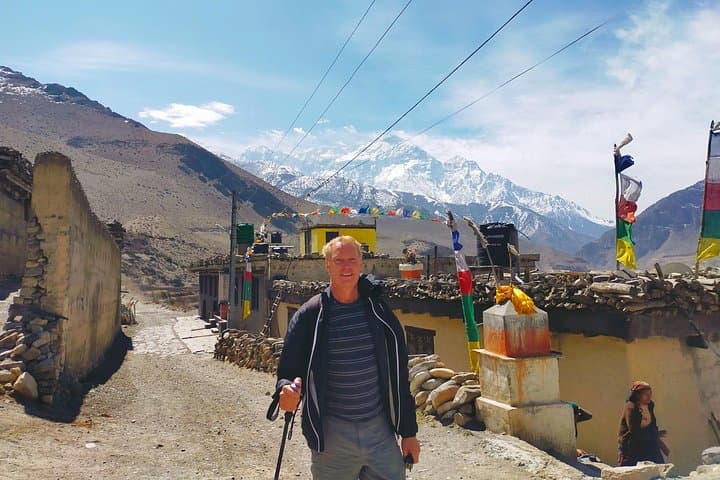
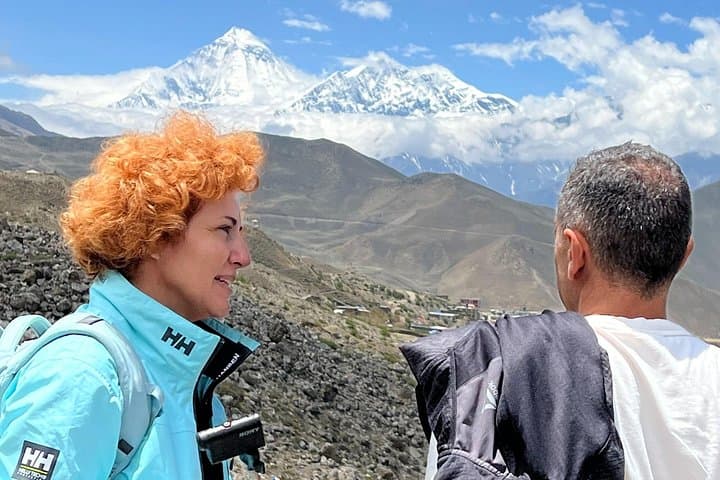
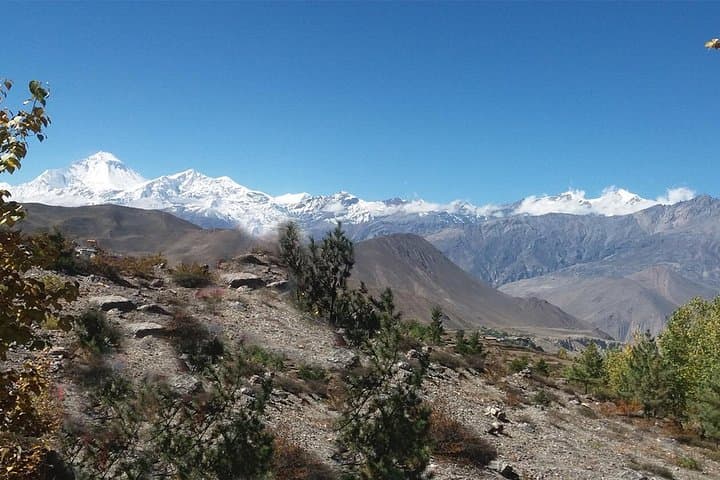
Dusty trade routes open beneath a pale sky as you step off the short flight into Jomsom — wind-heavy, thin and cool at 2,800 m. The valley smells of stone and yak dung smoke; the Kali Gandaki cuts a deep, gravelly line through cliffs that have been scoured by centuries of wind. On this nine-day circuit you follow mule tracks and compacted earth through villages where prayer flags snap like small, persistent voices.
Verified experiences and guided adventures in the surrounding area.
Operated by Alpine Luxury Treks Pvt Ltd · Jomsom, Gandaki Province
Dusty trade routes open beneath a pale sky as you step off the short flight into Jomsom — wind-heavy, thin and cool at 2,800 m. The valley smells of stone and yak dung smoke; the Kali Gandaki cuts a deep, gravelly line through cliffs that have been scoured by centuries of wind. On this nine-day circuit you follow mule tracks and compacted earth through villages where prayer flags snap like small, persistent voices.
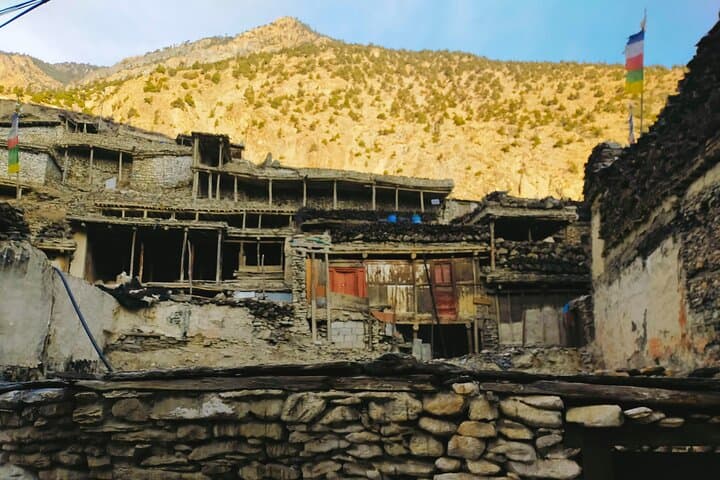
Lower Mustang sits in the rain shadow of the Annapurnas, its geology dominated by wind-eroded cliffs, shale slopes and the deep Kali Gandaki gorge — once a corridor of the salt trade between Tibet and Nepal. The region’s culture is visibly Tibetan: stone gompas, mani walls, and a layered mix of Buddhist and Hindu practices centered at Muktinath, a pilgrimage site at 3,800 m revered by both faiths.
Expect short but steady days on trail — 3–6 hours between tea houses, with the biggest gain from Kagbeni (3,092 m) to Muktinath (~3,800 m), roughly 700 m of ascent. Terrain alternates packed dirt, loose scree and steep stone stairways. Weather-impacted flights to/from Jomsom are common; operators often plan buffer days. Practical preparation matters: pace your ascent, carry water treatment and sun protection, and pack layers for sharp diurnal swings. Local teahouses provide basic meals and shelter, and hiring a guide is recommended for navigation, permit logistics and cultural context. This trek rewards those who can move steadily, respect altitude, and enjoy close encounters with a harsh, quietly beautiful trans-Himalayan landscape.
challenging.
9 days.
Good aerobic fitness with experience on sustained hikes; comfortable walking 3–6 hours on uneven, high-altitude trails.
Lower Mustang around Jomsom, Kagbeni and Muktinath is accessible with standard trekking permits arranged by your operator; Upper Mustang requires a restricted-area permit and additional fees.
Daily stages are generally 3–6 hours on packed trails with short steep sections; the biggest single ascent is about 700 m from Kagbeni to Muktinath.
Teahouses offer basic, clean rooms and shared bathrooms; meals are simple (dal bhat, noodles, soups) and hot water is usually available for a small fee.
Short flights are common but weather-sensitive; operators usually build in alternative plans, but allow extra travel time in your itinerary.
Lower Mustang was a key corridor on the trans-Himalayan salt trade route and retains strong Tibetan cultural and architectural influences; Muktinath is a longstanding pilgrimage site for both Hindus and Buddhists.
The rain-shadow ecosystem is fragile; minimize impact by using local guides, sticking to trails, carrying out waste and avoiding single-use plastics.
Alpine Luxury Treks Pvt Ltd operates guided outdoor trips and adventures with an emphasis on safety, stewardship, and memorable experiences.
Dusty trade routes open beneath a pale sky as you step off the short flight into Jomsom — wind-heavy, thin and cool at 2,800 m. The valley smells of stone and yak dung smoke; the Kali Gandaki cuts a deep, gravelly line through cliffs that have been scoured by centuries of wind. On this nine-day circuit you follow mule tracks and compacted earth through villages where prayer flags snap like small, persistent voices.
Dusty trade routes open beneath a pale sky as you step off the short flight into Jomsom — wind-heavy, thin and cool at 2,800 m. The valley smells of stone and yak dung smoke; the Kali Gandaki cuts a deep, gravelly line through cliffs that have been scoured by centuries of wind. On this nine-day circuit you follow mule tracks and compacted earth through villages where prayer flags snap like small, persistent voices.
Lower Mustang sits in the rain shadow of the Annapurnas, its geology dominated by wind-eroded cliffs, shale slopes and the deep Kali Gandaki gorge — once a corridor of the salt trade between Tibet and Nepal. The region’s culture is visibly Tibetan: stone gompas, mani walls, and a layered mix of Buddhist and Hindu practices centered at Muktinath, a pilgrimage site at 3,800 m revered by both faiths.
Expect short but steady days on trail — 3–6 hours between tea houses, with the biggest gain from Kagbeni (3,092 m) to Muktinath (~3,800 m), roughly 700 m of ascent. Terrain alternates packed dirt, loose scree and steep stone stairways. Weather-impacted flights to/from Jomsom are common; operators often plan buffer days. Practical preparation matters: pace your ascent, carry water treatment and sun protection, and pack layers for sharp diurnal swings. Local teahouses provide basic meals and shelter, and hiring a guide is recommended for navigation, permit logistics and cultural context. This trek rewards those who can move steadily, respect altitude, and enjoy close encounters with a harsh, quietly beautiful trans-Himalayan landscape.