THE ADVENTURE COLLECTIVE® · Independent discovery and booking for outdoor travel

Walk through three distinct neighborhoods in Lower Manhattan with a local host who tailors the route to your tastes. Expect food stops, cast-iron architecture in SoHo, and the tight-knit street life of Chinatown and Little Italy.
Walk through three distinct neighborhoods in Lower Manhattan with a local host who tailors the route to your tastes. Expect food stops, cast-iron architecture in SoHo, and the tight-knit street life of Chinatown and Little Italy.
You step off a subway car and Lower Manhattan greets you with layered voices: delivery bikes rattling, storefronts calling, and cobblestones that still remember horse hooves. The walk threads from bright paper lanterns and herbal shops in Chinatown, across SoHo’s wide, sunlit cast-iron streets, to the narrow, pastry-scented lanes of Little Italy.
Verified experiences and guided adventures in the surrounding area.
Operated by City Unscripted · New York, New York
You step off a subway car and Lower Manhattan greets you with layered voices: delivery bikes rattling, storefronts calling, and cobblestones that still remember horse hooves. The walk threads from bright paper lanterns and herbal shops in Chinatown, across SoHo’s wide, sunlit cast-iron streets, to the narrow, pastry-scented lanes of Little Italy.
This pocket of Manhattan carries migration-era stories and an oddly stubborn geology. Manhattan Schist underfoot lifted islands of resistant bedrock that allowed tall buildings and the gritty density of streets to evolve here; the neighborhoods themselves were reshaped by waves of Italian, Chinese, and immigrant entrepreneurs from the 19th and 20th centuries.
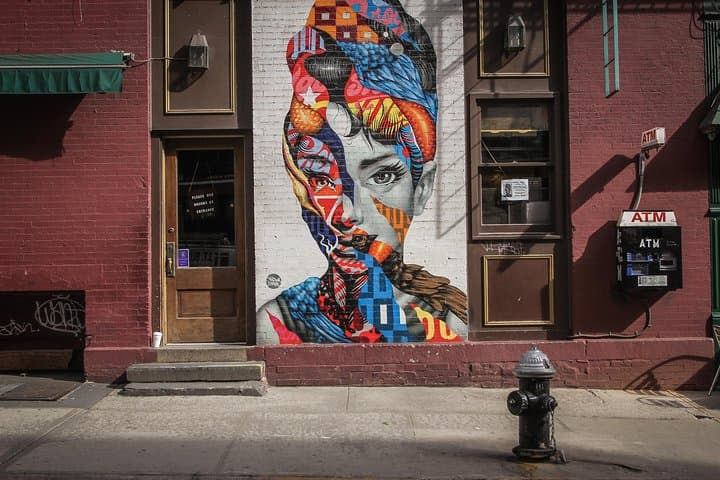
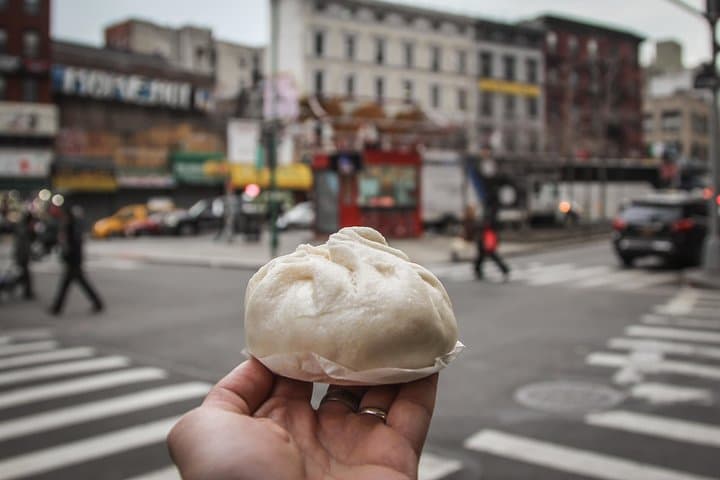
Culture lives in the storefronts: dim sum carts, independent galleries, century-old bakeries. SoHo’s cast-iron facades—once factory shells—now frame boutiques and artist studios; Little Italy preserves family-run cafés and roll-up metal gates with murals that nod to its Sicilian past. Chinatown’s markets hum with the practical commerce of daily life.
Practical guidance: plan four hours for a paced, food-inclusive route; wear broken-in walking shoes for mixed pavement and occasional cobbles. Carry small bills for street vendors and a refillable water bottle—hydration is underrated amid all the tasting. The best windows for fewer crowds are weekday mornings or late afternoons; weekends swell with both locals and tourists.
Your host will shape the route to your appetite—literally and stylistically—so be specific about dietary preferences and mobility when you book. Move deliberately, sample generously, and let the streets set the tempo.
easy.
4 hours.
Light walking over city streets; suitable for most fitness levels but expect several miles of slow-paced walking.
Expect roughly 2–4 miles over four hours depending on your customized route and stops.
Many streets are accessible and hosts can arrange a wheelchair-friendly route—confirm accessibility needs when booking.
The tour includes a slice of pizza and a drink; additional tastings are arranged by your host and may require extra payment.
Yes — the experience is private and flexible; communicate changes with your host during the tour.
Little Italy grew from early 20th-century Italian immigration; SoHo’s cast-iron architecture reflects its 19th-century industrial past, and Chinatown expanded as successive immigrant communities settled nearby.
Support local businesses and minimize single-use plastics during tastings; urban tourism can strain small storefronts—opt for seated orders and avoid blocking narrow sidewalks.
City Unscripted operates guided outdoor trips and adventures with an emphasis on safety, stewardship, and memorable experiences.
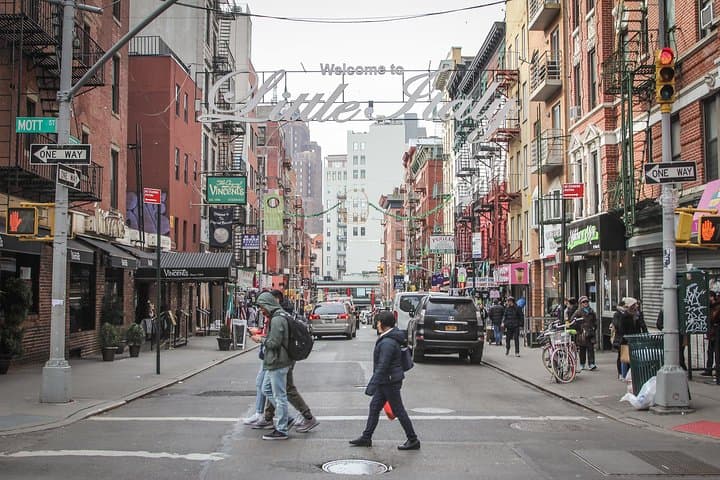
You step off a subway car and Lower Manhattan greets you with layered voices: delivery bikes rattling, storefronts calling, and cobblestones that still remember horse hooves. The walk threads from bright paper lanterns and herbal shops in Chinatown, across SoHo’s wide, sunlit cast-iron streets, to the narrow, pastry-scented lanes of Little Italy.
You step off a subway car and Lower Manhattan greets you with layered voices: delivery bikes rattling, storefronts calling, and cobblestones that still remember horse hooves. The walk threads from bright paper lanterns and herbal shops in Chinatown, across SoHo’s wide, sunlit cast-iron streets, to the narrow, pastry-scented lanes of Little Italy.
This pocket of Manhattan carries migration-era stories and an oddly stubborn geology. Manhattan Schist underfoot lifted islands of resistant bedrock that allowed tall buildings and the gritty density of streets to evolve here; the neighborhoods themselves were reshaped by waves of Italian, Chinese, and immigrant entrepreneurs from the 19th and 20th centuries.
Culture lives in the storefronts: dim sum carts, independent galleries, century-old bakeries. SoHo’s cast-iron facades—once factory shells—now frame boutiques and artist studios; Little Italy preserves family-run cafés and roll-up metal gates with murals that nod to its Sicilian past. Chinatown’s markets hum with the practical commerce of daily life.
Practical guidance: plan four hours for a paced, food-inclusive route; wear broken-in walking shoes for mixed pavement and occasional cobbles. Carry small bills for street vendors and a refillable water bottle—hydration is underrated amid all the tasting. The best windows for fewer crowds are weekday mornings or late afternoons; weekends swell with both locals and tourists.
Your host will shape the route to your appetite—literally and stylistically—so be specific about dietary preferences and mobility when you book. Move deliberately, sample generously, and let the streets set the tempo.