THE ADVENTURE COLLECTIVE® · Independent discovery and booking for outdoor travel

Trace Lower Manhattan’s history from Castle Clinton to the 9/11 Memorial on a focused 2.5-hour semi-private walking tour. With a maximum of 12 guests, the route blends financial history, churchyards, and the powerful memorial pools into a compact, interpretive experience.
Trace Lower Manhattan’s history from Castle Clinton to the 9/11 Memorial on a focused 2.5-hour semi-private walking tour. With a maximum of 12 guests, the route blends financial history, churchyards, and the powerful memorial pools into a compact, interpretive experience.
You step down the stone stairs in Battery Park and the harbor opens like a working map—ferries cutting white tracks, the Statue of Liberty a distant silhouette, the air carrying a faint tang of salt and diesel. Your guide waits, voice tuned to the low rumble of the city, and within minutes the tour moves: history in motion, measured and human-sized. This is not a race through postcards; it’s a focused 2.5-hour route through Lower Manhattan that layers civic history over contemporary resilience.
Verified experiences and guided adventures in the surrounding area.
Operated by Babylon Tours New York City · New York, New York
You step down the stone stairs in Battery Park and the harbor opens like a working map—ferries cutting white tracks, the Statue of Liberty a distant silhouette, the air carrying a faint tang of salt and diesel. Your guide waits, voice tuned to the low rumble of the city, and within minutes the tour moves: history in motion, measured and human-sized. This is not a race through postcards; it’s a focused 2.5-hour route through Lower Manhattan that layers civic history over contemporary resilience.
The walk begins at Castle Clinton, a compact fort that once processed thousands of immigrants long before Ellis Island. The guide threads facts—dates, names, architectural shifts—into stories about arrivals, commerce, and the changing shoreline. You pass the Seaglass Carousel, a playful gesture toward renewal after Hurricane Sandy, then pause at Bowling Green where the Charging Bull presides over centuries of commerce and myth-making.
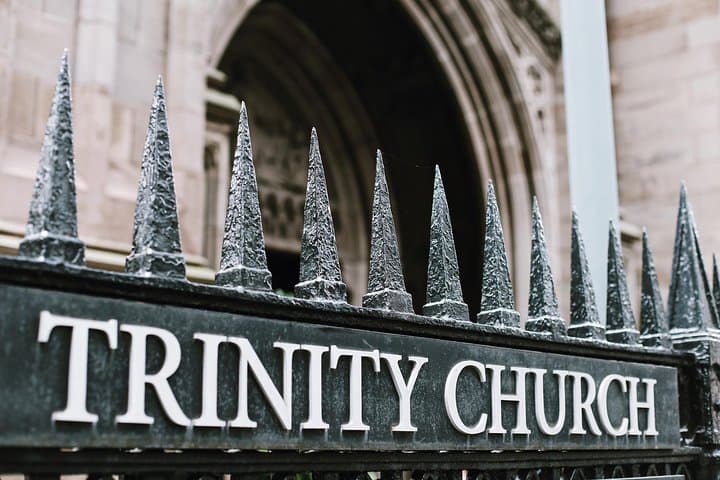
Wall Street arrives with its classical façades and corporate scale: Federal Hall, the New York Stock Exchange, the bronze Fearless Girl. The tour slows at Trinity Church, where older bricks and gravestones keep a quieter ledger of the city—Alexander Hamilton’s grave among them—a reminder of the personal histories undergirding national narratives.
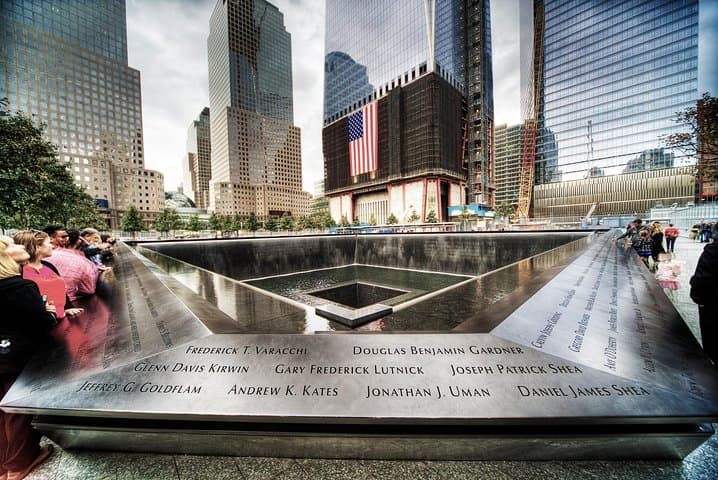
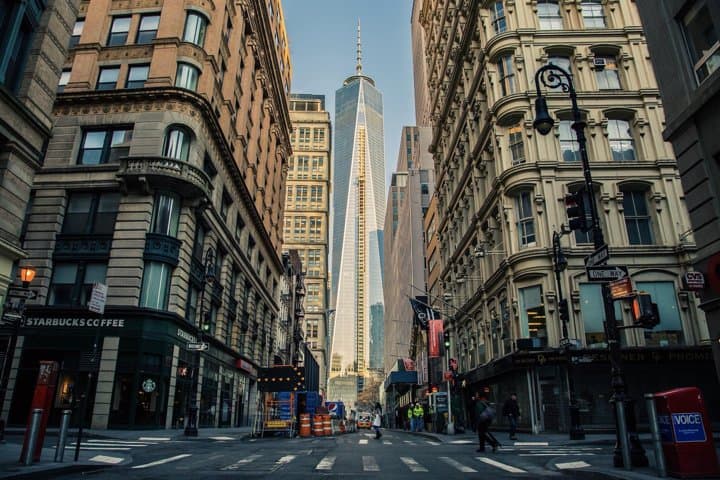
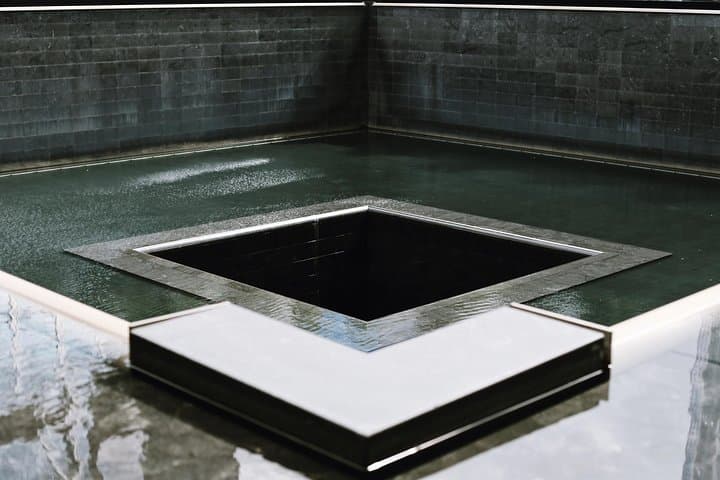
The tempo changes as the skyline drops into the site of the Twin Towers. One World Trade Center looms where absence once was absolute; the National September 11 Memorial translates loss into a place you can stand inside and read names around two immense waterfalls. The guide offers context—timeline, recovery, design choices—while leaving space for the visible emotion the site provokes.
Between facts and viewpoints, the guide offers civic insights: how the harbor shaped commerce, why street grids fracture here, how public spaces have been reclaimed. The semi-private format (max 12 guests) keeps the pace intimate, offering time for questions and quieter reflection at each stop.
Practical matters are simple: arrive early to the Battery Park meeting stairs; expect 2.5 hours of mostly flat walking on pavement; bring a charged phone and comfortable shoes. The tour runs rain or shine—layers and a rain jacket are smart choices. Accessibility is moderate—strollers usable in spots but cobbles and crowds can complicate movement.
This walk is best for travelers who want history with context, who prefer guided narration to solo wandering, and who appreciate a route that ends with a significant, contemplative landmark. It’s an efficient, human-scale way to understand how Lower Manhattan’s past shapes its present—financial power, civic memory, and an urban waterfront that still demands attention.
moderate.
2–3 hours.
Moderate—able to stand and walk for 2–3 hours with short pauses
Meet inside Battery Park on the stairs opposite the entrance to Castle Clinton; arrive at least 10 minutes early.
Strollers are usable in many spots, but cobblestones and crowds can be challenging; the route is not fully wheelchair accessible in all areas—contact the operator for specifics.
Full refunds are available if you cancel at least 24 hours before the scheduled departure; no refund for cancellations within 24 hours.
Yes, photography is allowed but please be respectful and avoid flash or staged group shots that disrupt others' reflection.
Short breaks do not typically include stops for food; public restrooms are limited—use facilities before departing or ask the guide about nearby options.
This is a semi-private tour with a maximum of 12 guests for a more intimate experience.
Castle Clinton served as an early immigration and defensive point; the area evolved from colonial settlement to a global financial center over three centuries.
The 9/11 Memorial is managed with durable materials and respectful maintenance; visitors are asked to minimize waste and follow site rules to protect the memorial landscape.
Babylon Tours New York City operates guided outdoor trips and adventures with an emphasis on safety, stewardship, and memorable experiences.
You step down the stone stairs in Battery Park and the harbor opens like a working map—ferries cutting white tracks, the Statue of Liberty a distant silhouette, the air carrying a faint tang of salt and diesel. Your guide waits, voice tuned to the low rumble of the city, and within minutes the tour moves: history in motion, measured and human-sized. This is not a race through postcards; it’s a focused 2.5-hour route through Lower Manhattan that layers civic history over contemporary resilience.
You step down the stone stairs in Battery Park and the harbor opens like a working map—ferries cutting white tracks, the Statue of Liberty a distant silhouette, the air carrying a faint tang of salt and diesel. Your guide waits, voice tuned to the low rumble of the city, and within minutes the tour moves: history in motion, measured and human-sized. This is not a race through postcards; it’s a focused 2.5-hour route through Lower Manhattan that layers civic history over contemporary resilience.
The walk begins at Castle Clinton, a compact fort that once processed thousands of immigrants long before Ellis Island. The guide threads facts—dates, names, architectural shifts—into stories about arrivals, commerce, and the changing shoreline. You pass the Seaglass Carousel, a playful gesture toward renewal after Hurricane Sandy, then pause at Bowling Green where the Charging Bull presides over centuries of commerce and myth-making.
Wall Street arrives with its classical façades and corporate scale: Federal Hall, the New York Stock Exchange, the bronze Fearless Girl. The tour slows at Trinity Church, where older bricks and gravestones keep a quieter ledger of the city—Alexander Hamilton’s grave among them—a reminder of the personal histories undergirding national narratives.
The tempo changes as the skyline drops into the site of the Twin Towers. One World Trade Center looms where absence once was absolute; the National September 11 Memorial translates loss into a place you can stand inside and read names around two immense waterfalls. The guide offers context—timeline, recovery, design choices—while leaving space for the visible emotion the site provokes.
Between facts and viewpoints, the guide offers civic insights: how the harbor shaped commerce, why street grids fracture here, how public spaces have been reclaimed. The semi-private format (max 12 guests) keeps the pace intimate, offering time for questions and quieter reflection at each stop.
Practical matters are simple: arrive early to the Battery Park meeting stairs; expect 2.5 hours of mostly flat walking on pavement; bring a charged phone and comfortable shoes. The tour runs rain or shine—layers and a rain jacket are smart choices. Accessibility is moderate—strollers usable in spots but cobbles and crowds can complicate movement.
This walk is best for travelers who want history with context, who prefer guided narration to solo wandering, and who appreciate a route that ends with a significant, contemplative landmark. It’s an efficient, human-scale way to understand how Lower Manhattan’s past shapes its present—financial power, civic memory, and an urban waterfront that still demands attention.