THE ADVENTURE COLLECTIVE® · Independent discovery and booking for outdoor travel

Walk from Battery Park to the 9/11 Memorial with a top-rated private guide who weaves history, architecture, and personal stories into a 2.5-hour route. This intimate tour covers Castle Clinton, Wall Street, Trinity Church, and the twin reflecting pools with accessible, expert narration.
Walk from Battery Park to the 9/11 Memorial with a top-rated private guide who weaves history, architecture, and personal stories into a 2.5-hour route. This intimate tour covers Castle Clinton, Wall Street, Trinity Church, and the twin reflecting pools with accessible, expert narration.
The tour begins on the stone steps inside Battery Park, where the harbor wind carries the faint shape of ship horns and the Hudson dares you to look past the skyline toward the Statue of Liberty.
Verified experiences and guided adventures in the surrounding area.
Operated by Babylon Tours New York City · New York, NY
The tour begins on the stone steps inside Battery Park, where the harbor wind carries the faint shape of ship horns and the Hudson dares you to look past the skyline toward the Statue of Liberty.
Your guide reads the city like a map: the curve of the shoreline that drew Dutch traders, the brick of Castle Clinton that once processed new arrivals, and the narrow alleys that became Wall Street. Over the next 2.5 hours you walk roughly 1.5–2 miles on flat, paved paths—an urban loop that stitches together immigration history, finance, and a site that reshaped the nation.
Lower Manhattan was the city’s front door. Castle Clinton, built in the early 1800s, handled thousands of emigrants before Ellis Island existed. Bowling Green still wears the scars and stories of colonial trade and early American politics; Trinity Church keeps headstones that tell quieter, personal chapters—Alexander Hamilton’s monument is one of them.
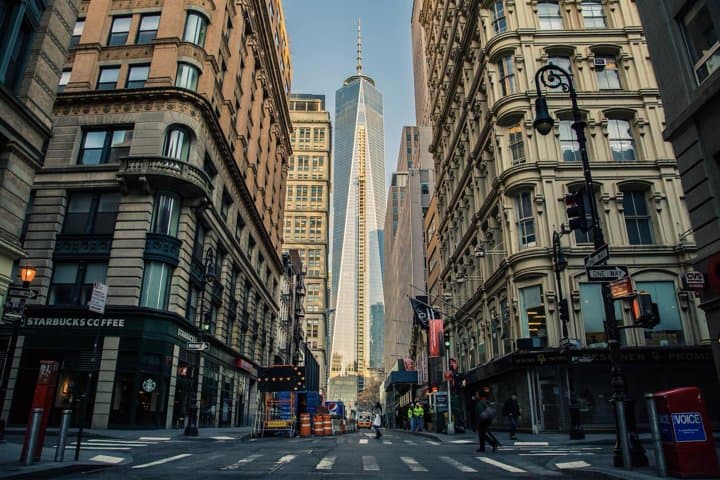
The route pushes through Wall Street’s classical facades—the New York Stock Exchange and Federal Hall—where marble and bronze reflect power and reinvention. Modernity arrives in the glass planes of the Oculus and the vertical blade of One World Trade Center, which frames the National September 11 Memorial.
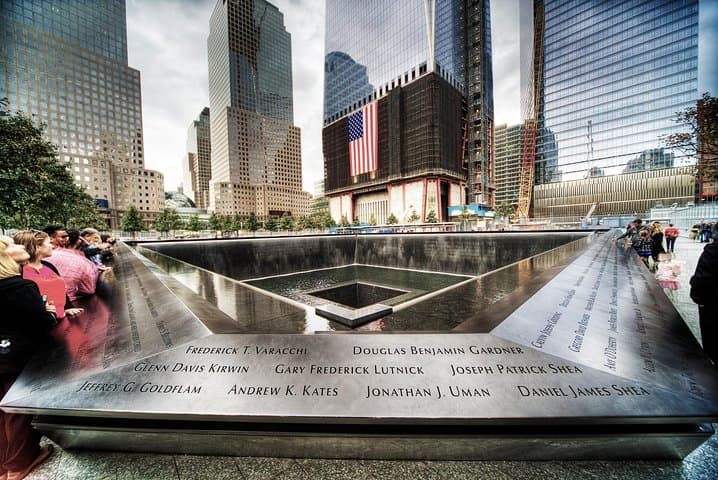
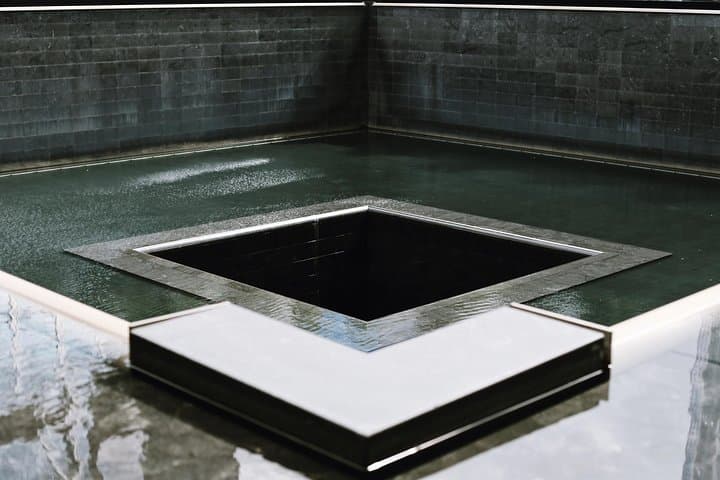
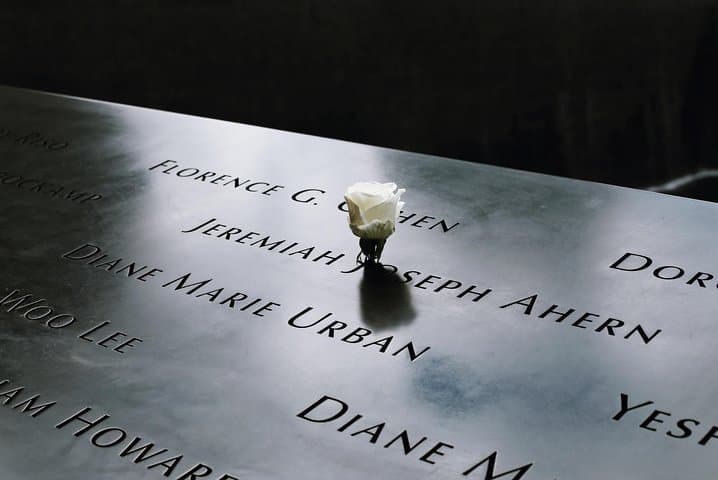
At the twin reflecting pools, water becomes language: the waterfalls pull your focus away from the city’s noise and toward the names etched into bronze. Your guide layers context—who worked here, how rescue teams used St. Paul’s Chapel as a refuge, and how the city’s recovery was both logistical and cultural. The memorial itself requires a quieter kind of attention; photography is allowed, but respect and restraint are part of the visit.
Practical details matter on a route like this. Wear stable walking shoes, bring a reusable water bottle, and expect security checkpoints that can delay access to interior sites. The tour is wheelchair accessible and runs in most weather—dress for wind off the river in the winter and for sun in the summer. Group size is capped, so private conversation with your guide is part of the value.
This is an urban walk that balances architecture, memory, and municipal grit. It’s for travelers who want context with their sightseeing: facts about immigration patterns, notes on architectural preservation, and the human stories behind the city’s icons. Time your visit for early morning to avoid crowds and to watch the pools catch light; late afternoon brings warmer tones across sandstone and glass.
Leave electronics charged, bring patience for security lines, and know that in this part of Manhattan even a short walk connects centuries of arrival, commerce, faith, and remembrance.
moderate.
2.5 hours.
Light to moderate fitness; able to stand and walk for 2–3 hours with brief stops
No. The tour visits the National September 11 Memorial (outdoor pools) but museum entry is not included; museum tickets must be purchased separately.
Yes. The route uses paved, accessible paths and is marked as wheelchair accessible—notify the operator of any mobility needs when booking.
Private tours allow up to 12 people, keeping the experience conversational and manageable.
Photography at the memorial is permitted, but please be respectful: avoid using flash near name panels and maintain quiet while shooting.
Public restrooms are available at some points near the World Trade Center complex and in Battery Park; ask your guide to point them out during the tour.
For a full refund cancel at least 24 hours before the scheduled departure; check your booking confirmation for details.
Lower Manhattan served as New York’s colonial hub and immigration point—Castle Clinton processed arrivals before Ellis Island, and Wall Street evolved from a simple trading post into a global finance center.
The 9/11 Memorial requires careful stewardship; visitors are asked not to touch name panels and to follow site rules to protect bronze inscriptions and surrounding plantings.
Babylon Tours New York City operates guided outdoor trips and adventures with an emphasis on safety, stewardship, and memorable experiences.
The tour begins on the stone steps inside Battery Park, where the harbor wind carries the faint shape of ship horns and the Hudson dares you to look past the skyline toward the Statue of Liberty.
The tour begins on the stone steps inside Battery Park, where the harbor wind carries the faint shape of ship horns and the Hudson dares you to look past the skyline toward the Statue of Liberty.
Your guide reads the city like a map: the curve of the shoreline that drew Dutch traders, the brick of Castle Clinton that once processed new arrivals, and the narrow alleys that became Wall Street. Over the next 2.5 hours you walk roughly 1.5–2 miles on flat, paved paths—an urban loop that stitches together immigration history, finance, and a site that reshaped the nation.
Lower Manhattan was the city’s front door. Castle Clinton, built in the early 1800s, handled thousands of emigrants before Ellis Island existed. Bowling Green still wears the scars and stories of colonial trade and early American politics; Trinity Church keeps headstones that tell quieter, personal chapters—Alexander Hamilton’s monument is one of them.
The route pushes through Wall Street’s classical facades—the New York Stock Exchange and Federal Hall—where marble and bronze reflect power and reinvention. Modernity arrives in the glass planes of the Oculus and the vertical blade of One World Trade Center, which frames the National September 11 Memorial.
At the twin reflecting pools, water becomes language: the waterfalls pull your focus away from the city’s noise and toward the names etched into bronze. Your guide layers context—who worked here, how rescue teams used St. Paul’s Chapel as a refuge, and how the city’s recovery was both logistical and cultural. The memorial itself requires a quieter kind of attention; photography is allowed, but respect and restraint are part of the visit.
Practical details matter on a route like this. Wear stable walking shoes, bring a reusable water bottle, and expect security checkpoints that can delay access to interior sites. The tour is wheelchair accessible and runs in most weather—dress for wind off the river in the winter and for sun in the summer. Group size is capped, so private conversation with your guide is part of the value.
This is an urban walk that balances architecture, memory, and municipal grit. It’s for travelers who want context with their sightseeing: facts about immigration patterns, notes on architectural preservation, and the human stories behind the city’s icons. Time your visit for early morning to avoid crowds and to watch the pools catch light; late afternoon brings warmer tones across sandstone and glass.
Leave electronics charged, bring patience for security lines, and know that in this part of Manhattan even a short walk connects centuries of arrival, commerce, faith, and remembrance.