THE ADVENTURE COLLECTIVE® · Independent discovery and booking for outdoor travel

Taste your way through immigrant-born classics on a three-hour walking tour of the Lower East Side. Six sidewalk tastings, historic stops and neighborhood stories combine to give a concentrated lesson in New York eating culture.
Taste your way through immigrant-born classics on a three-hour walking tour of the Lower East Side. Six sidewalk tastings, historic stops and neighborhood stories combine to give a concentrated lesson in New York eating culture.
You step out of the subway into a corridor of storefronts and steam—East Houston hums with delivery trucks, deli counters and a steady line of locals waiting for lunch. Your guide waits outside Katz’s Delicatessen with a small flag; the smell of pastrami and frying oil threads through the morning air and the city feels like a kitchen with an attitude.
Verified experiences and guided adventures in the surrounding area.
Operated by Searching for Gold Tours · New York, New York
You step out of the subway into a corridor of storefronts and steam—East Houston hums with delivery trucks, deli counters and a steady line of locals waiting for lunch. Your guide waits outside Katz’s Delicatessen with a small flag; the smell of pastrami and frying oil threads through the morning air and the city feels like a kitchen with an attitude.
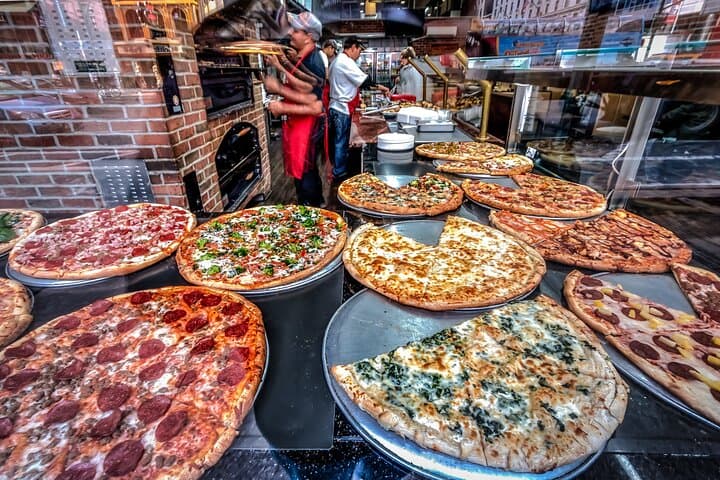
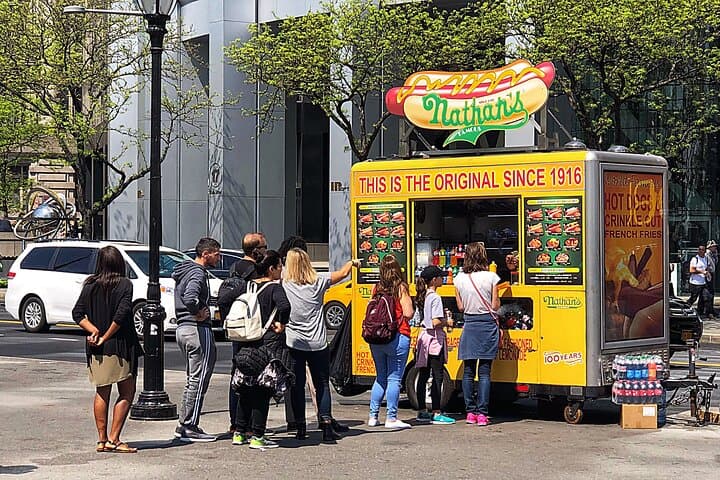
The Lower East Side wears its history on shopfronts and fire escapes. Once the arrival point for successive immigrant waves—Jewish delis, Yiddish theaters, and pushcarts gave this neighborhood its culinary identity. The tour threads past century-old institutions, from Katz’s (a landmark landmarking New York’s deli tradition) to long-running Chinese and Jewish eateries, and explains how bodegas, street carts and quick-service stands shaped urban eating habits.
Geology is quiet here—Manhattan’s exposed schist and reclaimed river edges shaped where streets and markets formed—but culture is loud: storefronts, storefront signs, graffiti and community gardens tell the sociocultural story.
Practically, expect about three hours of walking and six sidewalk tastings over roughly 1–2 miles of mostly flat pavement. Guides narrate the origin stories of dishes like General Tso’s and the rise of halal carts, and they point out where old tenement buildings still stand.
Bring comfortable shoes, an appetite (and room in your schedule for a later coffee), and a willingness to stand at counters and watch chefs work. The experience is as much about conversation and context as it is about bites—arrive curious, and leave with a pocket-sized education in New York’s edible history.
moderate.
3 hours.
Reasonable mobility and stamina for continuous walking, standing at food counters, and climbing a few steps; not strenuous.
Yes—this tour includes six sidewalk tastings and visits to featured stops; drinks or additional purchases at venues are generally extra.
The route is primarily on flat sidewalks but some venues require steps or standing at counters; contact the operator for specific accessibility accommodations.
Often yes—notify the tour operator when booking so guides can plan vegetarian or allergy-friendly options where possible.
Full refunds are available if you cancel at least 24 hours before the scheduled departure; check your booking confirmation for details.
The Lower East Side was a primary entry point for 19th–20th century immigrants; its tenement buildings and small businesses shaped much of New York’s food culture.
Support local businesses and minimize single-use waste—bring reusable utensils or decline disposables when possible to reduce the tour’s environmental footprint.
Searching for Gold Tours operates guided outdoor trips and adventures with an emphasis on safety, stewardship, and memorable experiences.
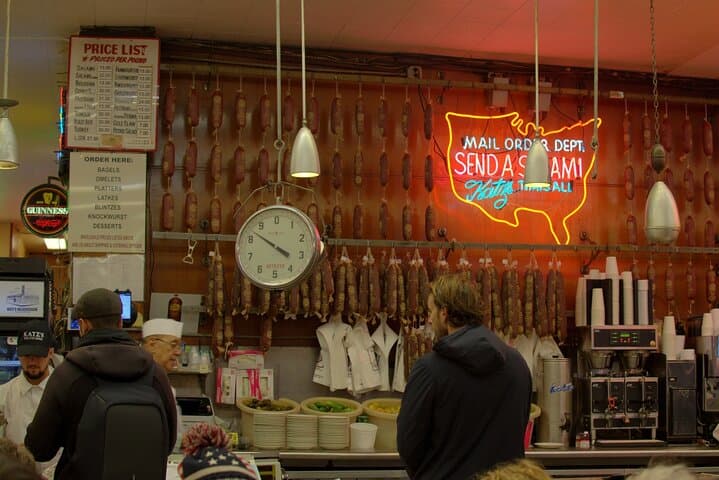
You step out of the subway into a corridor of storefronts and steam—East Houston hums with delivery trucks, deli counters and a steady line of locals waiting for lunch. Your guide waits outside Katz’s Delicatessen with a small flag; the smell of pastrami and frying oil threads through the morning air and the city feels like a kitchen with an attitude.
You step out of the subway into a corridor of storefronts and steam—East Houston hums with delivery trucks, deli counters and a steady line of locals waiting for lunch. Your guide waits outside Katz’s Delicatessen with a small flag; the smell of pastrami and frying oil threads through the morning air and the city feels like a kitchen with an attitude.
The Lower East Side wears its history on shopfronts and fire escapes. Once the arrival point for successive immigrant waves—Jewish delis, Yiddish theaters, and pushcarts gave this neighborhood its culinary identity. The tour threads past century-old institutions, from Katz’s (a landmark landmarking New York’s deli tradition) to long-running Chinese and Jewish eateries, and explains how bodegas, street carts and quick-service stands shaped urban eating habits.
Geology is quiet here—Manhattan’s exposed schist and reclaimed river edges shaped where streets and markets formed—but culture is loud: storefronts, storefront signs, graffiti and community gardens tell the sociocultural story.
Practically, expect about three hours of walking and six sidewalk tastings over roughly 1–2 miles of mostly flat pavement. Guides narrate the origin stories of dishes like General Tso’s and the rise of halal carts, and they point out where old tenement buildings still stand.
Bring comfortable shoes, an appetite (and room in your schedule for a later coffee), and a willingness to stand at counters and watch chefs work. The experience is as much about conversation and context as it is about bites—arrive curious, and leave with a pocket-sized education in New York’s edible history.