THE ADVENTURE COLLECTIVE® · Independent discovery and booking for outdoor travel

Walk the Lower East Side with a local guide and taste the neighborhood’s immigrant past — from bagel counters to historic markets. This 2.5-hour tour pairs small bites with stories of arrival and adaptation.
Walk the Lower East Side with a local guide and taste the neighborhood’s immigrant past — from bagel counters to historic markets. This 2.5-hour tour pairs small bites with stories of arrival and adaptation.
The street smells first: frying oil, baking bread, a sharp tang of pickles — the Lower East Side unfolds as a lived-in map of arrivals and trade. On a mid-morning walk, tenement facades lean over narrow sidewalks, iron fire escapes casting laddered shadows while a guide threads stories of families who arrived here in waves and made small businesses into neighborhood institutions.
Verified experiences and guided adventures in the surrounding area.
Operated by Top Dog Tours Inc. · New York, NY
The street smells first: frying oil, baking bread, a sharp tang of pickles — the Lower East Side unfolds as a lived-in map of arrivals and trade. On a mid-morning walk, tenement facades lean over narrow sidewalks, iron fire escapes casting laddered shadows while a guide threads stories of families who arrived here in waves and made small businesses into neighborhood institutions.
This stretch of Manhattan grew rapidly from the early 19th century as ports and cheap housing attracted German, Irish, Jewish, Italian, Puerto Rican and Asian immigrants. The geology is simple urban fill atop Manhattan schist; what matters is the built landscape — settlement houses, pushcarts, delis and synagogues that mark cultural layers more than bedrock.
Expect stops at classic delis for bialys and bagels, a candy shop with century-old counters, a historic market, and a former synagogue turned art space. The tour highlights food traditions, labor history, and how immigration policy and industry shaped streets and storefronts.
Practical guidance: wear comfortable walking shoes and bring $20–30 for tastings (food not included). The route covers roughly 1.5–2 miles over 2.5 hours on mostly flat sidewalks; there are a few standing stops and doorways to shelter from rain. Public transit access is excellent; arrive 15 minutes early since tours depart promptly.
This is an accessible, urban walking experience that pairs sensory tasting with history. Travelers curious about New York’s social fabric will find the pace deliberate and the narratives concrete — a neighborhood that still talks through its food.
easy.
2–3 hours.
Basic urban fitness — able to walk 1.5–2 miles and stand for short periods.
No; tastings are not included. Guides will recommend purchases and suggest bringing $20–30 for samples.
Yes; the route is wheelchair and stroller accessible, but contact the operator ahead for specific accessibility needs.
Guides can note vegetarian or allergy-friendly options, but availability varies by vendor — inform the operator in advance if you have strict restrictions.
Meeting typically occurs at a central Lower East Side landmark; arrive 15 minutes early to check in since tours depart promptly.
The Lower East Side became the city’s primary immigrant reception neighborhood in the 19th and early 20th centuries, home to settlement houses, pushcart economies and landmark synagogues.
Local groups work to preserve historic storefronts and support small businesses; visitors can reduce impact by carrying reusable items and supporting independent vendors.
Top Dog Tours Inc. operates guided outdoor trips and adventures with an emphasis on safety, stewardship, and memorable experiences.
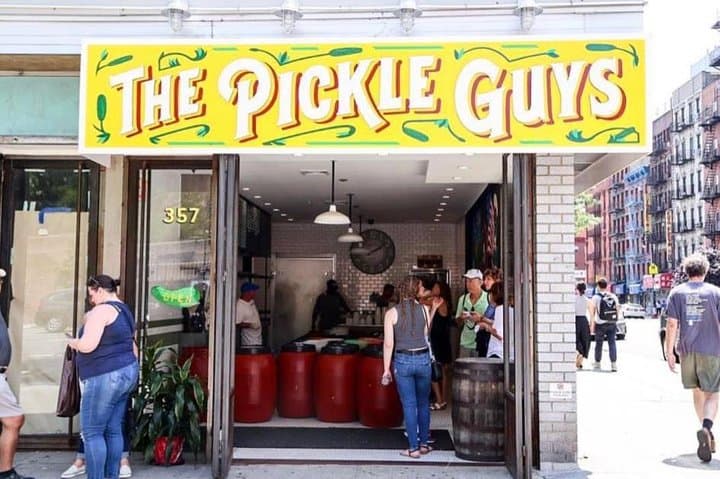
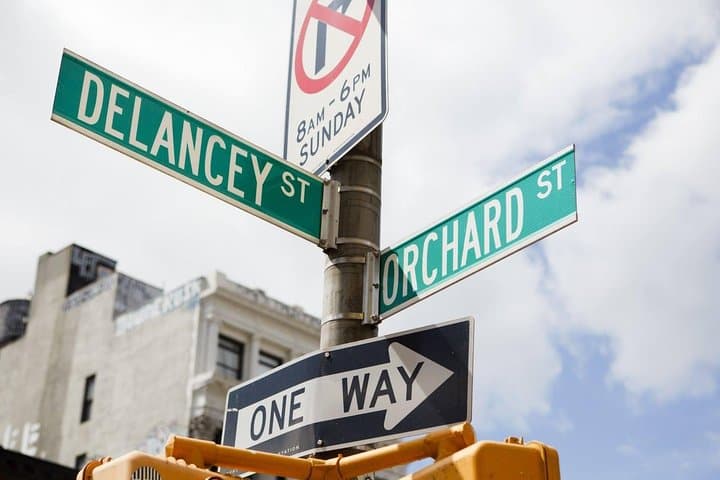

The street smells first: frying oil, baking bread, a sharp tang of pickles — the Lower East Side unfolds as a lived-in map of arrivals and trade. On a mid-morning walk, tenement facades lean over narrow sidewalks, iron fire escapes casting laddered shadows while a guide threads stories of families who arrived here in waves and made small businesses into neighborhood institutions.
The street smells first: frying oil, baking bread, a sharp tang of pickles — the Lower East Side unfolds as a lived-in map of arrivals and trade. On a mid-morning walk, tenement facades lean over narrow sidewalks, iron fire escapes casting laddered shadows while a guide threads stories of families who arrived here in waves and made small businesses into neighborhood institutions.
This stretch of Manhattan grew rapidly from the early 19th century as ports and cheap housing attracted German, Irish, Jewish, Italian, Puerto Rican and Asian immigrants. The geology is simple urban fill atop Manhattan schist; what matters is the built landscape — settlement houses, pushcarts, delis and synagogues that mark cultural layers more than bedrock.
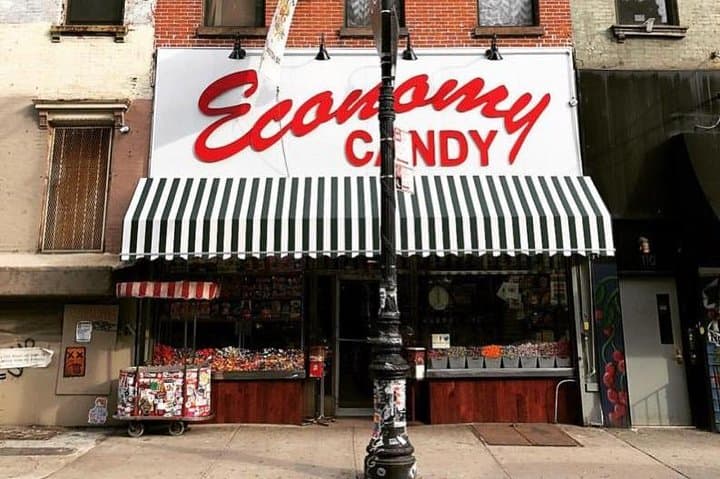
Expect stops at classic delis for bialys and bagels, a candy shop with century-old counters, a historic market, and a former synagogue turned art space. The tour highlights food traditions, labor history, and how immigration policy and industry shaped streets and storefronts.
Practical guidance: wear comfortable walking shoes and bring $20–30 for tastings (food not included). The route covers roughly 1.5–2 miles over 2.5 hours on mostly flat sidewalks; there are a few standing stops and doorways to shelter from rain. Public transit access is excellent; arrive 15 minutes early since tours depart promptly.
This is an accessible, urban walking experience that pairs sensory tasting with history. Travelers curious about New York’s social fabric will find the pace deliberate and the narratives concrete — a neighborhood that still talks through its food.